

Two-minute read
Iran’s ruling establishment is facing pressure on several fronts at once: pensioners are returning to the streets, wages are falling far behind living costs, gasoline demand is outstripping production, and allegations involving tens of millions of barrels of oil have opened another front inside the state.
Social Security retirees protested in Ahvaz, Shush and Rasht on September 13, 2026. ILNA reported that pensioners said their income did not cover even half the month and complained that arrears were being paid “drop by drop.” Protesters demanded higher pensions, healthcare, protection of Social Security assets and repayment of government debts to the fund.
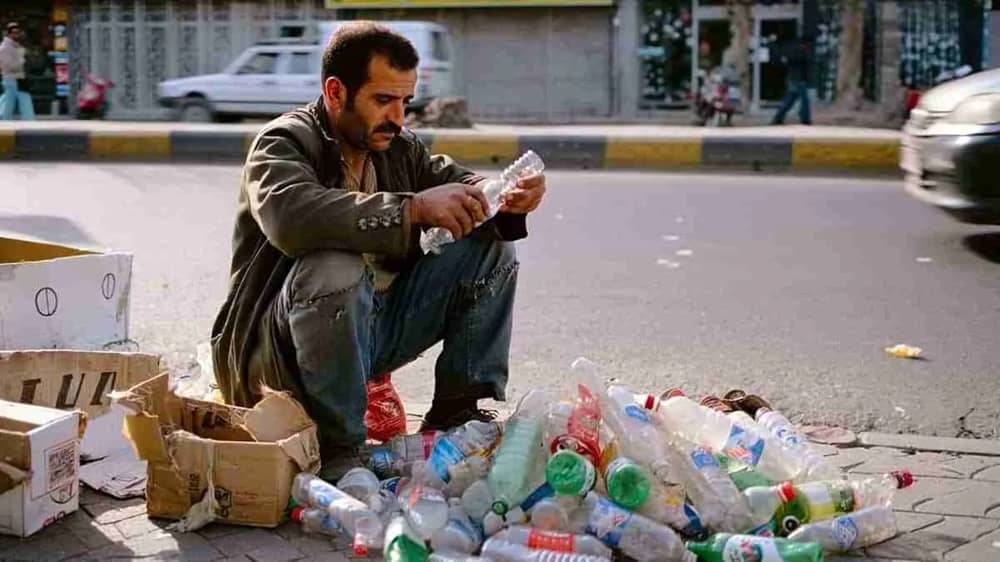
The livelihood gap is severe. Labor reporting has put the monthly cost of maintaining a working-class household at roughly 90 million tomans, against minimum earnings far below that level. Residents around Esfarayen have meanwhile described prolonged water disruptions; Tasnim had separately reported water cuts or severe pressure loss affecting 11 villages there. Fuel is another pressure point: Mehr News Agency reported September consumption reaching 145 million liters a day against production of about 135 million, while government spokeswoman Fatemeh Mohajerani said on September 12 that subsidized quotas would remain unchanged “for now” but that changes could follow within three months.
The ruling establishment is simultaneously confronting armed insecurity, accelerating #economic pressure and an internal political struggle intense enough for its own officials to speak openly of presidential removal, a “coup” and the danger of an “explosion.”
by Dr.…— NCRI-FAC (@iran_policy) September 12, 2026
Oil, Security and Repression
The fuel debate coincides with an extraordinary oil dispute. MP Hossein Samsami said more than 86 million barrels were transferred on credit to one person, only 30 million reached the final buyer, and “the fate of more than 56 million barrels of oil is unclear.”
Security pressure is also continuing in the southeast. On September 12, the IRGC’s Quds regional headquarters said three Guards personnel and four armed opponents were killed in Saravan in an operation involving the IRGC, police and Intelligence Ministry. State broadcaster IRIB said the group had been preparing an assassination; later state reporting raised the number of armed opponents killed to five.
Pressure on dissent remains visible elsewhere. Tasnim reported on September 7 that two Shahid Beheshti University students had received preliminary disciplinary rulings involving expulsion and a two-semester suspension over what it called university “unrest.”
"Iran’s ruling establishment is confronting fresh domestic pressure as a deadly #security operation in Mehran, another state-approved tariff increase and new evidence of collapsing purchasing power expose strains on both the state and ordinary Iranians," writes @MansoreGolestan.…
— NCRI-FAC (@iran_policy) September 10, 2026
Infighting Turns Nuclear
Domestic strain is feeding an increasingly public struggle inside the establishment over war, negotiations and responsibility for Iran’s predicament. Mehdi Fazaeli, an official associated with the supreme leader’s publication office, attacked former president Hassan Rouhani as the head of the “most inefficient” post-revolutionary government and portrayed him as one of the establishment’s least popular and most isolated former presidents.
Ahmad Alamolhoda, the supreme leader’s representative in Mashhad, attacked the same political current on September 11, blaming Rouhani’s nuclear agreement for the current war. Rejecting arguments for ending prolonged confrontation, he said that if the enemy fought Iran for “200 years, 2,000 years or even 200,000 years,” Iran would have to continue defending itself.
The confrontation is now reaching the nuclear question. MP Hossein-Ali Hajideligani has openly called for the regime to conduct the tests necessary for a nuclear weapon and backed an urgent parliamentary push to leave the Nuclear Non-Proliferation Treaty.
Daily protests, collapsing purchasing power, fuel imbalances, oil-sector allegations, armed clashes and factional warfare are converging—and the dominant response from hardliners is increasingly one of tighter internal control and greater confrontation rather than accommodation.