

THIS PAGE WILL BE UPDATED WITH THE LATEST NEWS
UPDATE: 9:00 AM CEST
PMOI Resistance Units in Zahedan Keep the Flame of Iran’s 2022 Uprising Alive
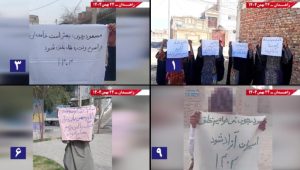
PMOI Resistance Units in Zahedan marked the fourth anniversary of Iran’s 2022 nationwide uprising by raising banners and placards in the city’s streets. Their messages honored the uprising and its martyrs, highlighted the role of women and organized resistance, and called for the continuation of the struggle against the clerical regime.
Displaying these messages publicly was itself an act of defiance. Four years after the regime sought to crush the uprising through killings, arrests, torture, and executions, the Resistance Units showed that it has failed to silence the movement for freedom or eliminate organized resistance inside Iran.
Several banners displayed messages from Maryam Rajavi about the political achievements of the 2022 uprising. One declared that the uprising made the slogan “Down with the oppressor, be it the shah or the supreme leader” widespread and revealed the decisive role of Iranian women in the struggle.
Other messages honored the role of the PMOI Resistance Units, stating that they played a leading part in the uprising and “kept the flames of the uprising burning across Iran.”
The Female Unemployment Rate Reached 16.7% In 2026
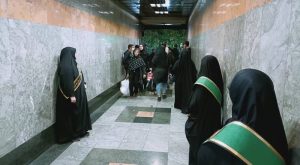
The female unemployment rate hit 16.7% in the statistics for the spring of 2026. (Eghtesad 24, September 19, 2026) The latest report from the Statistical Center of Iran reveals macroeconomic indicators.
450,000 employed individuals lost their jobs. The surge in the economically inactive population reached the 40 million marks. Additionally, according to the report by the Statistical Center, the main burden of job imbalances in Iran falls on the shoulders of youth, women, and university graduates.
Unemployment among holders of university degrees Graduates who have spent years of their lives and resources studying in higher education institutions are met with closed doors in formal industries and services upon entering the job market.
A significant portion of the country’s university entrants are women, but the current structure of Iran’s economy has not only failed to create a suitable platform to utilize this capacity, but at the first wave of economic recession, it pushes this group to the margins of the labor market.
Iran: State-Owned Companies Suffer Losses and Damages in Past Year
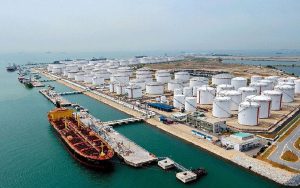
The number of loss-making state-owned companies in Iran is increasing. According to a new report by Iran’s Audit Organization, a government body responsible for auditing public-sector entities, the number of such companies rose from 22 in 2024 to 23 in 2025. Their total accumulated losses have also reached 52.6 quadrillion rials (approximately $22.383 billion). These figures raise serious questions about the efficiency of state-controlled enterprises and the transparency of public spending. Mousa Bozorg-Asl, head of Iran’s Audit Organization, said, “The loss-making situation of state-owned companies is concerning.” He made the remark while presenting the organization’s annual report.
Experts consider this increase a sign of continuing structural problems in the public sector of the economy.
The Audit Organization said it conducted 248 data-driven audit tests over the past year. According to officials at the organization, greater precision in auditing provides a more accurate picture of the financial condition of these enterprises. This could affect future decisions concerning the budgets of state-owned companies.
Iran: Nurses’ Rights Crisis, Forced Overtime, and Suppression of Professional Demands in 2026

Nurses and healthcare workers constitute the primary pillars supporting the “right to health” and the “right to life.” However, evidence compiled in 2026 demonstrates that Iran’s nursing sector is grappling with a severe structural crisis characterized by sub-poverty wages, chronic payment delays, mandatory overtime, precarious temporary contracts, unprecedented emigration, and judicial retaliation against union advocates.
These conditions violate international standards of “decent work” and human dignity, while driving Iran’s public health apparatus toward systemic failure and directly jeopardizing patient care.
Nationwide Protests Against Systemic Wage Discrimination
In 2026, healthcare workers organized numerous protests across various Iranian cities:
- Yazd: Protesting six-month delays in tariff payments and overtime compensation, nurses declared that despite heavy professional responsibilities, they remain below the poverty line.
- Tabriz: Healthcare personnel demanded equal pay, fair implementation of the “Special Allowance,” and the immediate clearance of delayed bonuses.
- Neyshabur: On 19 August 2026 (28 Mordad 1405), nurses held a second protest against forced overtime and nominal tariffs, stating: “We are exhausted by mandatory overtime… We have protested repeatedly, but no authority listens.”
- Kermanshah: On 8 September 2026 (17 Shahrivar 1405), healthcare workers protested over a year of unpaid overtime, describing their living conditions as critical.
Iranian Factions Spar Over Strait of Hormuz as China and Pakistan Push Diplomacy
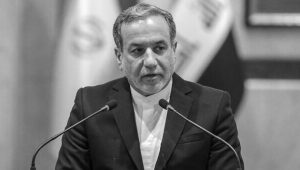
As China presses for the reopening of the Strait of Hormuz and Pakistan’s diplomatic channel becomes more active, a dispute in Tehran is intensifying over when to give up this leverage; hardliners see reopening Hormuz before securing concessions as a retreat, while supporters of diplomacy view continued disruption as an obstacle to ending the war.
Pressure from Beijing to reopen the Strait of Hormuz and Pakistan’s efforts to keep negotiations open have brought a specific disagreement in Tehran into public view: should the Islamic Republic maintain control over Hormuz until it receives guarantees and concessions in negotiations, or should it ease some of that pressure to prevent the war from dragging on? The divide is now visible in attacks by hardline media on supporters of an agreement and in the opposing camp’s defense of ending the war.
The dispute has intensified as Iranian Foreign Minister Abbas Araghchi traveled to Beijing for talks with Chinese officials, while Pakistani officials have also stepped up contacts with Tehran. Arman Emrooz described the Pakistani interior minister’s visit to Tehran as part of Islamabad’s efforts to convey messages, reduce tensions and revive channels for negotiations. Other reports also portray China as a player that favors continued dialogue while at the same time pressing for the reopening of Hormuz.
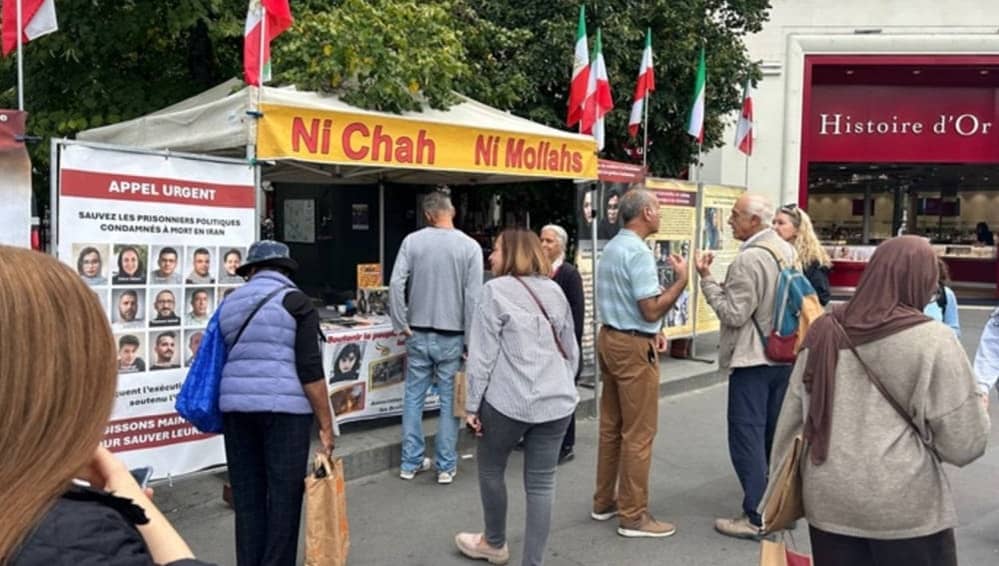
Paris Exhibition Condemns Iran’s Human Rights Abuses, Calls for End to the Mullahs’ Dictatorship
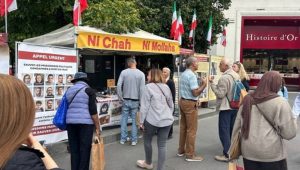
Paris, France – September 18, 2026 – Supporters of the People’s Mojahedin Organization of Iran (PMOI/MEK) held a book table and photo exhibition in Paris to condemn the severe human rights violations in Iran, including death sentences in general and especially the execution of political prisoners and protesters arrested during Iran’s nationwide uprisings.
Organizers said the event reflected the Iranian people’s demand for a democratic republic and their aspirations for peace, freedom, justice, and fundamental rights. They also highlighted the Iranian Resistance’s call for greater international solidarity with the people of Iran.
The organizers urged the French public and the international community to recognize the suffering of Iranians and their rejection of dictatorship in both monarchical and theocratic forms.
Photographs, personal testimonies, and other materials showcased the courage and sacrifices of those who took part in the January 2026 uprising. The exhibition also drew attention to what organizers described as the Iranian regime’s ongoing human rights violations, including executions of political prisoners and the continued imprisonment of protesters.