

Two-minute read
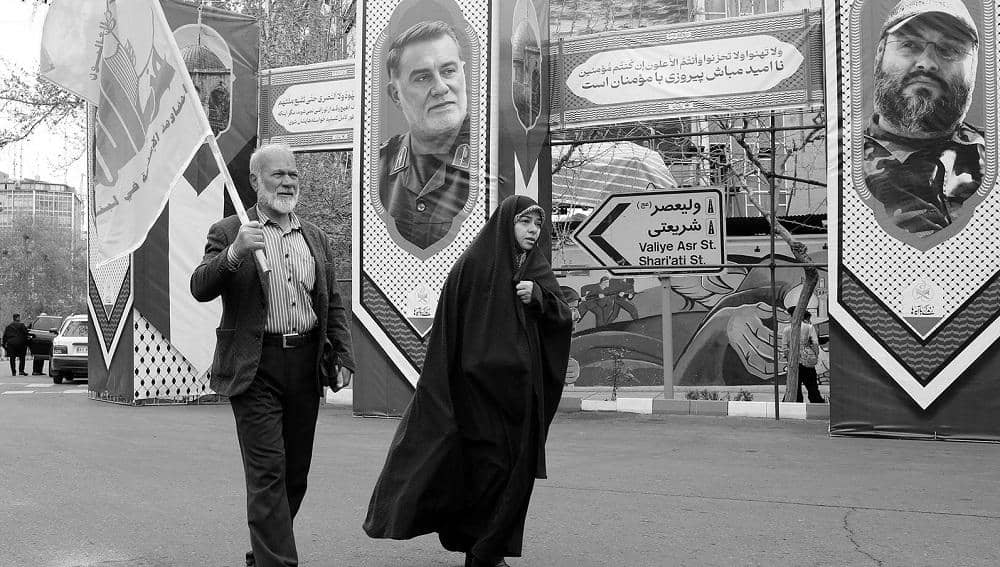
The Iranian regime’s Quds Day mobilization on March 28 was a desperate attempt to project strength and unity amidst ongoing domestic turmoil, economic collapse, and international isolation. The clerical dictatorship, struggling with widespread discontent, aimed to rally its demoralized forces by staging grandiose public displays and promoting combative rhetoric through its top officials.
The regime’s Supreme Leader, Ali Khamenei, in his remarks broadcast on state TV on March 27, claimed that the Quds Day marches would counter the narratives portraying the regime as weak and divided. He stated: “Your march on Quds Day will nullify the conspiracies and lies of those who seek to present the system as weak.”
The reality, however, tells a different story. Despite the regime’s propaganda efforts, the Iranian society remains deeply restless, as demonstrated time and again through nationwide uprisings, daily protests by workers, teachers, and other social groups, as well as the nightly activities of the PMOI-led Resistance Units. The orchestrated rallies, heavily advertised and aired on state media, are aimed at displaying social capital, but they starkly contrast with the public’s defiant actions witnessed in protests across the country.
#Iran News: Tehran Stages Security Drill Amid Fear of Renewed #Protestshttps://t.co/2KNIY4x7NU
— NCRI-FAC (@iran_policy) March 19, 2025
During the Quds Day ceremonies, regime officials, including Speaker of Parliament Mohammad Bagher Ghalibaf, Yahya Rahim Safavi, former IRGC commander-in-chief, and Basij chief Mohammad Reza Naqdi, were all dispatched to regurgitate well-worn threats against the West and promises of retaliation.
Ghalibaf echoed Khamenei’s desperation, claiming that Iran would not surrender to Western demands for disarmament. “Negotiation accompanied by threats is just a facade for coercion,” he ranted, adding, “Accepting enemy demands under pressure is a prelude to war.” Ghalibaf went on to boast about the regime’s so-called “resistance” against American policies, while hinting at an alleged Western plot to force Iran’s submission.
Basij chief Naqdi and IRGC commander Safavi, meanwhile, tried to boost the morale of their decaying forces with rhetoric about mobilizing for “great operations” against supposed enemies. Naqdi went so far as to claim that youth across Iran were “restlessly demanding” to be sent to the “battlefields of resistance.”
#Iran News: IRGC Stages Massive Drill in #Tehran Amid Fear of Uprisinghttps://t.co/Rd1fDhqcIR
— NCRI-FAC (@iran_policy) January 8, 2025
Simultaneously, the regime appears to be sending mixed messages to an increasingly disillusioned public. In a calculated move, the regime reportedly signaled through state media that its controversial hijab enforcement law is off the agenda, at least temporarily, as a means of pacifying widespread discontent.
This hollow gesture follows the regime’s violent crackdown on a weeks-long sit-in by hardline hijab supporters in front of the Iranian parliament. Video footage from social media showed security forces dispersing the protestors and allegedly abandoning them in remote areas near Tehran, with some injured during the operation.
According to reports from state-run media, a spokesman for the regime’s Parliament’s Coordination Office acknowledged the crackdown but attempted to dismiss the incident as “necessary action” against what they described as an illegal gathering. Some state media tied to the regime’s revisionist factions praised the crackdown, labeling the protestors “radicals,” while extremists accused the security forces of betrayal or incompetence.
Watch and judge how internal strife and #IranRevolution have frightened #Khamenei, leading him to plead with insiders not to boycott the upcoming parliamentary elections. pic.twitter.com/xVILYNMIpB
— NCRI-FAC (@iran_policy) December 27, 2023
This dual approach—mobilizing officialdom to rally against external enemies while trying to placate domestic anger by easing off religious laws—reveals a regime struggling to keep control. As Khamenei’s call for mass participation failed to materialize, the hollow rhetoric of its officials only further highlights the depth of the regime’s desperation.
Meanwhile, international pressure continues to mount, with reports emerging of further sanctions and diplomatic isolation aimed at curbing the regime’s nuclear ambitions and support for terrorism. Against this backdrop, the regime’s attempt to project strength only underscores its underlying weakness.