
Three-minute read
Iran’s clerical regime is extending restrictions on gasoline access as soaring prices, unpaid wages and shortages of basic necessities intensify public frustration. The decision comes amid warnings about the political consequences of further economic pressure, with a series of fresh domestic reports exposing failures in employment, public services and women’s rights.
Gasoline Restrictions Expand Amid Fears of Unrest
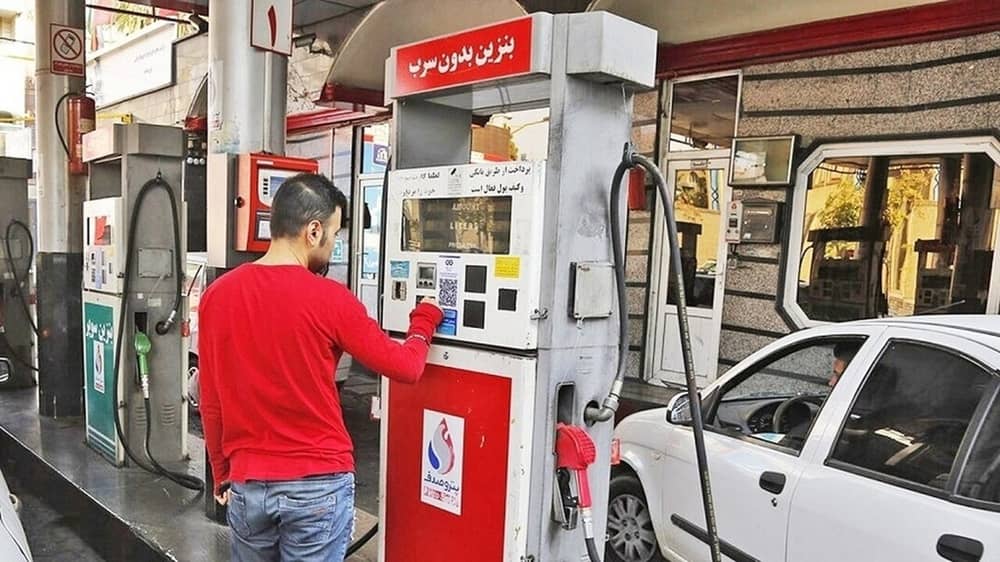
The government confirmed on November 12 that emergency fuel cards at filling stations were being withdrawn province by province, with the restrictions already implemented in 12 provinces. Presidential executive deputy Mohammad-Jafar Ghaempanah said the policy would expand nationwide over the coming weeks, with additional allocations planned for teachers, fishermen and healthcare workers.
Officials say motorists’ existing personal-card subsidies remain intact, but the restrictions force drivers to rely increasingly on their individual quotas. Authorities have introduced an additional 50-liter allocation priced at 10,000 tomans per liter, substantially above the existing subsidized rates of 1,500 and 3,000 tomans.
Reports from Hormozgan have already described long fuel queues and difficulties for motorists following earlier restrictions. The politically sensitive changes come against the memory of the November 2019 gasoline protests, when sudden fuel-price increases triggered a nationwide uprising and a deadly crackdown.
"The Iranian regime’s internal disputes are no longer confined to familiar factional sniping. They are spreading across the institutions that matter most to the survival of the ruling system: the intelligence apparatus, state broadcasting, the #nuclear and war files, and the…
— NCRI-FAC (@iran_policy) November 12, 2026
Unpaid Wages and Flour Cuts Threaten Livelihoods
Workers at Abadeh Cement Factory in Fars province reported that approximately 180 contract and subcontract employees were owed between three and seven months of wages. Social-insurance payments have also been disrupted.
According to labor sources cited by ILNA on November 12, officials recently discussed restructuring the factory’s debts without adequately addressing workers’ unpaid salaries. The plant has faced prolonged financial and managerial difficulties.
Meanwhile, reports compiled on November 13 describe flour-allocation cuts disrupting bakeries across several provinces. In Hormozgan, some bakers reported reductions of 30–50%, forcing shorter working hours, temporary closures and layoffs. One bakery owner said his establishment had remained closed since November 6 after losing 150 sacks from its allocation.
In Isfahan, approximately 500 traditional bakeries have reportedly faced restrictions on flour purchases. Officials attribute reductions to the Nanino electronic monitoring system, while bakers dispute its assessments. Some areas have experienced reduced bread supplies and longer queues.
The Assembly of Experts urges reconsidering #NPT membership, stricter hijab enforcement and centralized wartime economic control. Meanwhile, a labor activist warns of soaring medicine costs, Tehran students protest poor food, and officials clash over the safety of cheaper…
— NCRI-FAC (@iran_policy) November 12, 2026
These disruptions threaten both employment and access to bread, a staple increasingly important to households struggling with food inflation.
Women Still Denied Motorcycle Licenses Despite Government Decree
A November 13 ISNA investigation highlighted continuing resistance within Iran’s institutions to issuing motorcycle licenses to women.
Although the government approved and communicated a decree in February requiring police to provide training and licensing, Deputy President Zahra Behrouz-Azar’s assertion that the legal obstacles had been removed was contradicted by traffic police officials, who claimed no implementing authorization had reached them.
Women already riding motorcycles remain unable to obtain licenses, leaving them exposed to legal and insurance complications. The contradiction illustrates how restrictions on women’s daily lives persist despite official promises of change.
Three Baluch civilians reportedly killed by security forces near Zahedan. Parliament moves to restructure the Intelligence Ministry. Steelworkers demand overdue wages, and floods damage 30 bridges. A regime confronting persistent domestic pressures.
By @shahriarkia #IranNews…— NCRI-FAC (@iran_policy) November 12, 2026
Internet Disruptions and Tehran’s Environmental Damage
The state-linked website Entekhab acknowledged on November 12 that internet speeds had deteriorated sharply over the preceding week, with intermittent complete disconnections. It criticized the absence of official accountability despite government assurances about improving connectivity.
Independent network monitoring also recorded an abnormal fall in Iranian Google traffic on November 12.
Separately, Tehran’s Parks Organization acknowledged on November 13 that 40–45% of trees in Sorkheh Hesar Forest Park have dried out. Officials cited drought, reduced irrigation, pollution, aging trees and pests. A so-called ten-year rehabilitation program has only remained on paper.
Iran’s retirees protest across multiple cities, denouncing #corruption, poverty and executions. Yazd’s bus strike enters its ninth day, floods disrupt 19 provinces, and new figures reveal over 10,000 road deaths in six months. With wages trailing #inflation and hospitals…
— NCRI-FAC (@iran_policy) November 8, 2026
The deterioration follows reports of extensive tree losses in Chitgar Forest Park, raising further questions about the authorities’ management of Tehran’s remaining green spaces.
Tehran Births Decline as Deaths Rise
New civil-registration figures published November 13 show births in Tehran province fell 9.9% during the first seven months of the Iranian year, from 64,771 to 58,355.
Deaths increased from 37,282 to 39,588, reducing the province’s natural population increase by 31.7%. The report identified housing expenses, economic hardship and population aging among the factors affecting these trends.
Iran faces deepening factional infighting over intelligence appointments and political prosecutions, reported killings of Baluch civilians, #protests in Shahroud and flood damage cutting off villages. Meanwhile, food prices and water shortages strain households as the regime…
— NCRI-FAC (@iran_policy) November 7, 2026
The political danger for the ruling establishment lies in the cumulative effect of its decisions. Fuel restrictions, unpaid wages and disruptions to basic food supplies are not isolated difficulties for households whose purchasing power has already collapsed. Each additional burden risks eroding what remains of public tolerance.
The institutional deadlock over women’s rights and officials’ inability to account for deteriorating services reinforce a broader loss of confidence in the authorities. With the memory of previous economic uprisings still significant, the regime faces the possibility that grievances across different social groups could converge into renewed confrontation. Its reliance on restrictions and administrative controls offers little answer to the discontent those policies may deepen.