

In August 2025, a perfect storm of crises is gripping Iran, exposing the profound incompetence and systemic failure of the clerical regime. Simultaneous, nationwide protests fueled by economic ruin, catastrophic infrastructure collapse, and the state’s brutal use of capital punishment are painting a clear picture: these are not isolated incidents, but the unified outcry of a nation pushed to its limit.
From Plundered Savings to Labor Strikes
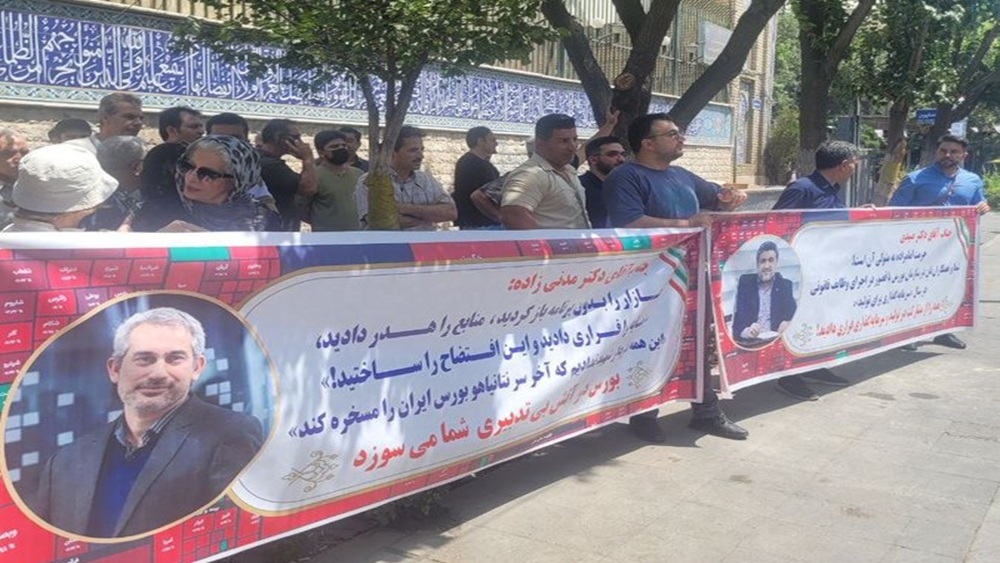
The regime’s systematic plunder of the Iranian people’s wealth has triggered a new wave of outrage. In recent weeks, defrauded stockholders, whose life savings were wiped out in the state-controlled stock market, have held sustained protests outside the Ministry of Economy in Tehran, decrying what they call systemic theft and the government’s hollow promises.
August 13—Tehran, Iran
Investors rally in front of the Ministry of Economy, protesting the constant downfall of the stock market, caused by government policies.#IranProtests pic.twitter.com/JHDs5M4u5X— People's Mojahedin Organization of Iran (PMOI/MEK) (@Mojahedineng) August 13, 2025
This economic desperation is mirrored in the industrial sector. On the evening of Tuesday, August 12, security forces at the Razi Petrochemical complex in Mahshahr, in coordination with the local prosecutor, conducted an illegal overnight raid to fire and expel striking contract workers. The workers, who were in their fourth day of strikes for better conditions, condemned the move as a blatant violation of law, designed to brutally suppress their legitimate demands.
The crisis has spread to all corners of society. On the same day, preschool teachers gathered in Tehran outside the Ministry of Education, chanting slogans like “Employment is our inalienable right” and “Teachers would rather die than accept humiliation.” Their protest for basic job security and livable wages demonstrates the breadth of a societal collapse that has left no sector untouched.
Regime Officials Confess to Catastrophic Failure
The regime’s senior officials are now openly admitting to a catastrophic failure in managing the country’s basic infrastructure. President Masoud Pezeshkian himself has warned of Tehran’s dire water crisis, stating, “The situation in Tehran is critical, and if this trend continues, it will become dangerous.” He confirmed that the capital is already experiencing 30 centimeters of land subsidence due to depleted groundwater and that the city can no longer support its population’s water and energy needs.
August 13—Chabahar, southeast Iran
Residents of Chabahar rally in front of the offices of the electricity department, protesting the a 24-hour-long power outage that has disrupted their lives in the summer heat.#IranProtestspic.twitter.com/H6xLXYoLiM— People's Mojahedin Organization of Iran (PMOI/MEK) (@Mojahedineng) August 13, 2025
This admission of helplessness is echoed by his cabinet. The Interior Minister confessed, “We have fundamental problems in the water sector… We don’t have a choice between this or that option… we have no other option.” Another official bluntly stated, “The water in the Tehran area cannot support this population… We have used all available capacity, but it’s truly no longer possible.” The regime now warns that Tehran is approaching “Day Zero,” a point where drinking water could be cut off for millions, triggering immense social and economic consequences.
This systemic failure is not limited to water. On Wednesday, August 13, the government was forced to shut down all administrative and educational centers in at least 11 provinces—including Khuzestan, Isfahan, and Mazandaran—due to severe electricity shortages amidst the summer heat. These electricity shortages have triggered protests in different parts of the country. On August 13, Kharameh (Fars province) and Chabahar (Sistan and Baluchestan province) witnessed protests by angry citizens whose lives have been disrupted by constant and prolonged power outages.
August 13—Kharameh (Fars province), southern Iran
Residents protest constant electricity outages and lack of action by government officials and institutions to address the most basic needs of citizens.#IranProtests pic.twitter.com/Z2W6o2IfId— People's Mojahedin Organization of Iran (PMOI/MEK) (@Mojahedineng) August 13, 2025
The Moral Frontline: “No to Executions Tuesdays” Becomes a Revolutionary Cry
On the political front, the Iranian people’s resistance continues to grow. Tuesday, August 12, marked the 81st consecutive week of the “No to Executions Tuesdays” campaign, a nationwide movement that has become a powerful symbol of defiance. In tandem with hunger strikes in 49 prisons, protests took place in dozens of cities, from Astara on the Caspian Sea to Hamedan in the west, sending a clear message that society will not be silenced by the regime’s machinery of death.
The campaign has evolved beyond a human rights appeal into an open call for regime change. Protesters carried placards with slogans such as “We swear on the blood of our comrades, we will stand until the end,” “Our cry is stronger than your gallows,” and, most pointedly, “Executioner government, Overthrow, Overthrow.”
August 12—Iran
Family of death-row political prisoner Vahid Bani-Amerian hold pictures of their loved ones in solidarity with the "No to Executions Tuesdays" campaign, now in its 81st week.#IranProtestspic.twitter.com/sb4w820fka— People's Mojahedin Organization of Iran (PMOI/MEK) (@Mojahedineng) August 12, 2025
The movement has been fueled by the courage of victims’ families and the imminent threat to political prisoners. This week, protesters carried photos of five political prisoners—Vahid Bania Amerian, Pouya Ghobadi, Akbar Daneshvarkar, Babak Alipour, and Mohammad Taghavi—who were recently transferred to an unknown location, sparking fears of their imminent secret execution. In a moving display of defiance, the elderly and ill mother of Akbar Daneshvarkar joined a rally, holding a picture of her son and a sign demanding, “Free political prisoners.”
The Unstoppable Tide of Change
The convergence of economic, infrastructural, and political crises provides undeniable proof that the Iranian people have rejected the ruling dictatorship in its entirety. The regime’s own officials admit they have no solutions, while its only answer to popular demands remains brutal repression. The sustained, multi-faceted, and nationwide protests send an unmistakable message: the people of Iran are organized, resilient, and will not stop until they reclaim their country and establish freedom and democracy.