

Two-minute read
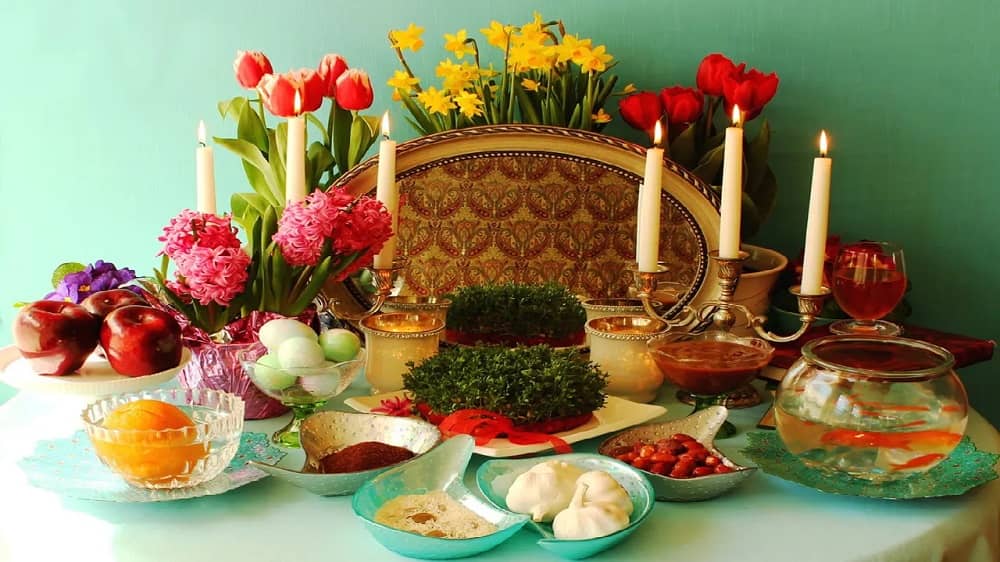
As the embers of Persian Year 1403 begin to fade, a new dawn emerges with the arrival of Persian Year 1404—a time heralded by hope, defiance, and the promise of transformative change. In a year marked by internal strife, manipulated elections, and brutal repression, the Iranian people have risen against tyranny. Now, the spirit of Nowruz—symbolizing resilience and the defiant glow of fire—ushers in a period that promises freedom for Iran, peace for the Middle East, and security for the world.
In 1403, the corrupt clerical regime faced cascading crises that exposed deep internal fissures. Sham parliamentary elections, a leadership vacuum following the sudden deaths of key figures, and a presidential election riddled with fraud ignited widespread protests. Citizens in over 130 cities defied security forces during the Chaharshanbe Suri fire festival, setting aflame the symbols of oppression and demanding an end to clerical tyranny. The roar of dissent that echoed through the streets became the clarion call for a revolution—a movement that now carries the hopes of millions.
Simultaneously, Tehran’s external strategic position crumbled as its proxy networks suffered staggering blows.
In her Nowruz message, Mrs. Maryam Rajavi, President-elect of the National Council of Resistance of Iran (NCRI) captured the fervor of the moment with a message that transcends mere formality. With passionate conviction, she called upon the people of Iran to embrace the transformative energy of Nowruz—a time when the past is burned away and a brilliant new future emerges.
At the start of last year, we declared that 1403 would be the year of besieging the mullahs’ regime —and, indeed, we witnessed that during the year its stronghold in the region was toppled, Khamenei's hegemony suffered a crushing blow, its main proxy forces were crippled, and its… pic.twitter.com/5zpDQ1OD5W
— Maryam Rajavi (@Maryam_Rajavi) March 20, 2025
In her stirring words, she painted a vivid picture of a people unbound, their sorrows set aflame to make way for an era defined by resilience, creativity, and the unyielding pursuit of freedom. This is not a call for quiet acceptance but a vibrant invitation to reclaim dignity, to rise as architects of a democratic republic built on justice and hope.
This message is a rallying cry for change. It speaks of a future where the people, no longer shackled by soaring prices, unemployment, and systemic brutality, can build a republic founded on freedom, justice, and democratic principles. Maryam Rajavi envisions an Iran where the oppressive regime is replaced by a government of the people—a state where every individual’s voice contributes to a flourishing, vibrant society.
Looking ahead to the Persian Year 1404, the promise of a new beginning is palpable. The revolutionary fervor that broke the chains of the past year now ignites a movement that aims to restore dignity and sovereignty to the Iranian people. This is not just about the downfall of a tyrannical regime; it is about the birth of a free nation—a beacon that will inspire not only the Middle East but the world.