

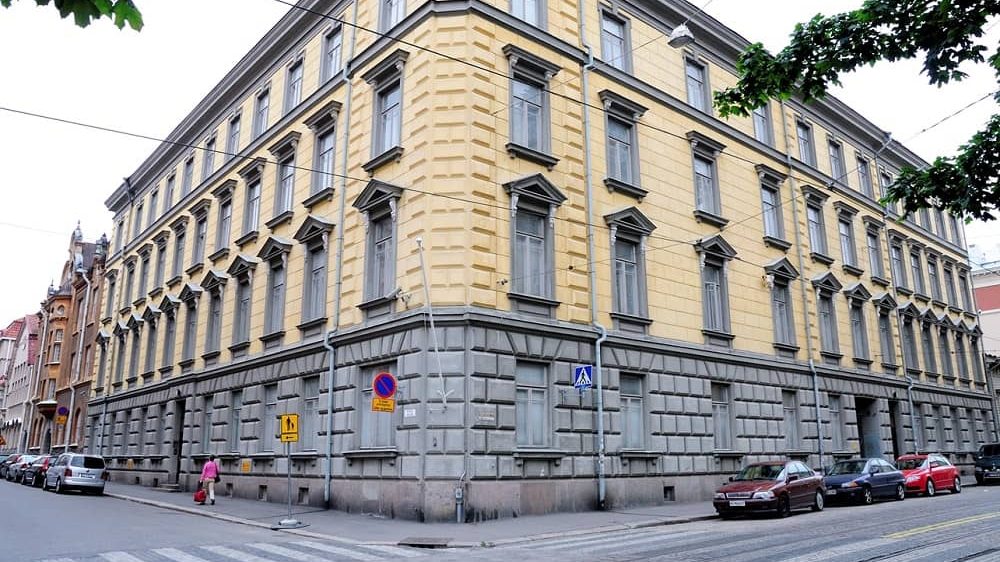
For the first time, Finland’s Security Intelligence Service (Supo) has officially listed the clerical dictatorship in Iran as a state actor engaged in espionage against the country. In a report shared with the Finnish public broadcaster Yle on May 30, Supo stated: “Iran is targeting Finland with more hostile influence than before.”
Although the agency did not disclose exactly what kind of information the regime is seeking, it warned that autocratic states—including Iran—commonly engage in surveillance of political refugees, particularly those affiliated with opposition movements.
“The aim is to obtain information about these people using several different means. Human intelligence is one of the methods used… Relatives residing in the country of origin of the target of espionage are used as a means of exerting pressure,” Supo told Yle via email.
#Iran News: @GOVUK Declares Clerical Regime a National Security Threat, Expands Crackdown on #IRGCterrorists and MOIShttps://t.co/my5xnXS7pF
— NCRI-FAC (@iran_policy) March 5, 2025
According to the agency, the goal of these operations is to silence dissenting voices abroad—a tactic Tehran has repeatedly employed against exiled opposition figures, journalists, and activists in Europe.
Supo also raised alarm over a potentially more dangerous aspect of Iran’s tactics: the use of organized crime networks as proxies for carrying out actions on Finnish soil. “Iran’s operating model includes the use of proxy actors, such as organized crime groups. Such activities cannot be ruled out in Finland.”
This assessment echoes growing concerns across Europe. In recent years, multiple Iranian-linked terror or surveillance plots have been uncovered across the continent—including a failed assassination attempt in Haarlem, the Netherlands, and another in Madrid, Spain, both tied to Iranian state actors.
#Iran News: #Sweden Fires Migration Agency Official Over Suspected Iran-Linked Tieshttps://t.co/MMFHDCGYiD
— NCRI-FAC (@iran_policy) March 26, 2025
The Finnish warning aligns with similar alerts issued by Swedish authorities, who have reported Tehran’s use of criminal networks to target perceived enemies of the regime in Scandinavia. The United States Treasury Department has also sanctioned criminal syndicates tied to the Iranian regime’s intelligence apparatus operating in Sweden.
According to Supo, these methods—relying on third-party actors—have become more prominent in both intelligence gathering and sabotage as Iran seeks to obscure its direct role in such operations.
“States try to use intermediaries in their actions to cover their tracks,” the report notes, adding that the threat has increased notably in Nordic countries.
#Iran News: Belgium’s Coalition Agreement Calls for #IRGC Terror Designationhttps://t.co/01thsMhhj2
— NCRI-FAC (@iran_policy) February 22, 2025
This formal designation by Finnish intelligence represents a significant escalation in how European security agencies view the clerical dictatorship’s footprint in the West. It also marks a deepening deterioration in Iran’s already strained relations with European democracies, which have faced growing pressure to respond to Tehran’s extraterritorial operations with coordinated sanctions and legal action.
As the IRGC and Iranian regime’s intelligence networks expand their reach through covert espionage and criminal partnerships, Europe may be forced to rethink its engagement with a regime that has not only repressed its people at home but now openly threatens foreign nationals and institutions abroad.