

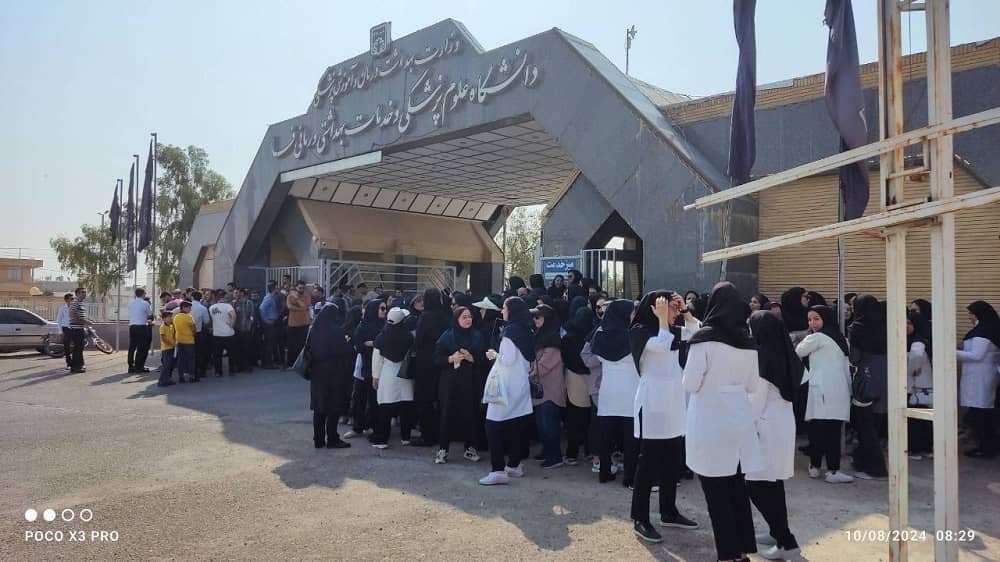
On August 10, 2024, Iran witnessed a wave of protests across multiple cities, reflecting widespread discontent over various social, economic, and political issues. From the oil-rich regions of the south to the capital in Tehran, citizens from different walks of life, including workers, nurses, and ordinary citizens, took to the streets to voice their grievances.
In the capital, Tehran, graduates from teacher training academies organized a large protest rally. These individuals demanded employment opportunities promised to them by the government. The protesters emphasized their right to be absorbed into the workforce, a promise that remains unfulfilled despite extensive financial and personal investments.
In Yasuj, the residents of Kohgiluyeh and Boyer Ahmad province staged a significant protest in front of the provincial governorate. They demanded the cancellation of an executive order to transfer the northern Dena region to Isfahan province, a move that has sparked considerable local opposition.
In Asaluyeh and Kangan, workers from the operational sectors of the South Pars Oil and Gas Company, including those on platform SPD16 and other offshore rigs, voiced their demands for better working conditions and changes to their retirement plans. These protests underline the ongoing tensions within Iran’s vital energy sector, where workers have repeatedly called for improved safety standards, fair wages, and job security.
August 10—Asaluyeh and Kangan, southern Iran
Protest rally by employees of Pars Oil and Gas Company who demand changes to retirement rules, removing the salary ceiling, and other needs. #IranProtests pic.twitter.com/1dsTKIPfoL— People's Mojahedin Organization of Iran (PMOI/MEK) (@Mojahedineng) August 10, 2024
Additionally, in Kangan, employees of the Continental Shelf Oil Company joined the protests, further signaling the widespread discontent among oil workers in the region. Their grievances are similar, focusing on the need for better working conditions and fair treatment by their employers.
In Chabahar, contract workers from Makrān Steel Company and Omran Sazan Company also staged protests. These workers, who are employed under precarious conditions, demanded job security, timely payment of wages, and better treatment from their employers. The protests in Chabahar highlight the broader issues facing contract workers across Iran, who often find themselves in vulnerable positions with little recourse to address their grievances.
In Harsin, Kermanshah, a group of bakers held a protest in response to frequent power outages that have severely impacted their ability to work. The constant disruptions in electricity supply have not only hindered their daily operations but have also threatened their livelihoods, prompting them to take to the streets in protest.
In Khorasan Razavi province, the owners of the Hajjat Abad and Zein Abad aqueducts in Bejestan staged a protest rally. These landowners are facing significant challenges related to water rights and access, crucial issues in this arid region. The protest highlighted their frustrations over the management of water resources and the impact of these policies on their agricultural activities.
August 10—Shiraz, southern Iran
Sixth day of strikes by nurses in Shiraz, protesting poor work conditions, low wages, shortage of workforce, and destructive work-hour policies.#IranProtests pic.twitter.com/T686xoUJP1— People's Mojahedin Organization of Iran (PMOI/MEK) (@Mojahedineng) August 10, 2024
Meanwhile, in Fasa, nurses from the local medical university continued their protests against poor working conditions, low wages, and chronic staff shortages. This protest was part of a broader wave of discontent among healthcare workers in the region.
In Lāmard, southern Fars province, the nurses at Haj Mahmoud Heydar Hospital continued their strike, working with minimal staffing levels. The strike, part of the larger wave of protests by healthcare workers, reflects the dire situation within Iran’s healthcare system, where overworked and underpaid staff are demanding immediate reforms to improve their working conditions.
In Zanjan, located in northwest Iran, nurses rallied to protest against inadequate working conditions and low salaries. They voiced their dissatisfaction with slogans like, “We don’t want forced overtime work” and “Incompetent managers, resign!” Their protests were fueled by a sense of injustice over the growing demands placed on them without corresponding improvements in compensation or work conditions.
Shiraz, a key city in southern Iran, saw its nurses enter the sixth day of strikes. These healthcare workers have been protesting against poor work conditions, low wages, and workforce shortages. The strike has had a significant impact, leading to the near-emptying of state hospitals, with only emergency services remaining operational. Surgeries and other critical medical procedures were reportedly canceled due to the strike.
More footage of protest rally by people of Kohgiluyeh and Boyer Ahmad province against the executive order for transferring northern Dena to Isfahan province.
Protesters chanting, "We will fight and take back Dena"#IranProtestspic.twitter.com/kV2m8s2gK2— People's Mojahedin Organization of Iran (PMOI/MEK) (@Mojahedineng) August 10, 2024
In Tabriz, the nurses of Imam Sajjad Hospital rallied against the non-payment of nursing tariffs. Their protest, like others across the country, was driven by frustration over delayed payments and unaddressed grievances that have plagued the healthcare sector for years.
Nurses at Khomeini Hospital in Abadeh also joined the protests, demanding better work conditions and fair salaries. Their protest is part of a nationwide outcry against the deteriorating state of healthcare services and the neglect of those working within it.
Meanwhile, in Baluchestan, southeast Iran, tensions escalated dramatically as security forces opened fire on civilians who had gathered to protest the arbitrary killing of a young fuel porter. This incident highlights the volatile situation in the region, where economic hardship and heavy-handed security responses have led to repeated clashes between residents and government forces.
In addition to the public protests, there have been significant developments within Iran’s prisons. Ali Younesi and Amirhossein Moradi, two imprisoned student activists, declared a hunger strike in protest against the execution of a political prisoner on August 6 as well as the beating of female prisoners in various prisons on August 8. Their message from Evin Prison condemned the regime’s actions, stating, “Once again, the Islamic Republic has spilled the blood of one of this land’s best young people, and surely it will reap nothing but anger and rebellion.” Their protest is a powerful symbol of the resistance within the country’s penal system against the regime’s brutal tactics.
The widespread protests on August 10, 2024, illustrate the growing unrest across Iran, fueled by economic hardship, political repression, and a lack of basic freedoms. From the healthcare sector’s strikes to public demonstrations against government policies, the Iranian populace is increasingly vocal in its demands for change.