

Two-minute read
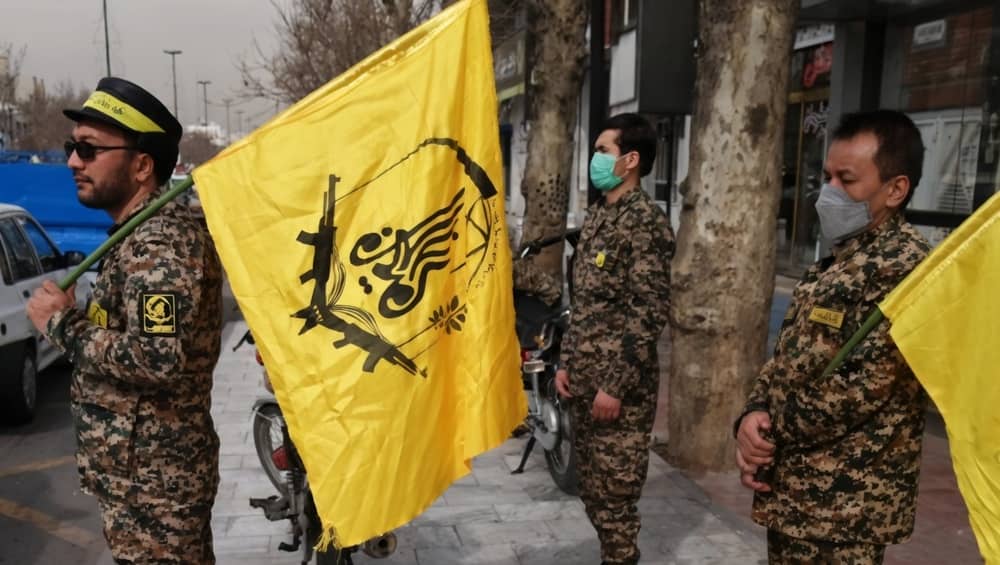
In a clear sign of weakness, Iran’s regime has ramped up its use of foreign Shia militias and even child recruits to suppress domestic unrest, exposing the fragile state of its own security apparatus. Multiple reports from Sistan and Baluchestan province confirm the organized arrival of fighters from Pakistan’s Liwa Zainabiyoun Brigade and Afghanistan’s Liwa Fatemiyoun Division, with units housed in public buildings such as schools in cities including Zahedan, Zabol, and Chabahar. Local sources describe these deployments as widespread and coordinated, occurring alongside heightened security tensions in the region.
Media outlets, including regional Arabic-language coverage such as Al Arabiya, have reported convoys of Iraqi Popular Mobilization Forces (Hashd al-Shaabi) crossing from Basra into Iran. These movements, observed entering border areas like Khorramshahr and Khuzestan, are widely interpreted as reinforcements for internal control operations rather than routine pilgrimages.
#Iran News: #Pakistan Officially Designates Tehran-backed Zainabiyoun Brigade as Terrorist Organizationhttps://t.co/ZEpB8DCJRm
— NCRI-FAC (@iran_policy) April 12, 2024
Foreign Fighters Establish Checkpoints Across Restive Areas
Simultaneously, Zainabiyoun and Fatemiyoun units have been documented setting up checkpoints in urban areas and along major roads in Chabahar, Zahedan, and surrounding districts such as Dust Mohammad. Eyewitnesses report that these forces stop passing vehicles for inspections and, in some cases, conduct body searches on civilians without providing clear explanations for their actions. Many of the fighters reportedly lack sufficient command of Persian or local Balochi languages, which has led to misunderstandings and heightened tensions during interactions with residents.
In several instances, the foreign militias have operated independently of Iranian security forces, raising questions about command structures and operational coordination. Reports also indicate joint activities with regime forces in other locations, adding to the confusion over their exact role and authority on the ground.
#Iran’s Regime Deploys Fatemiyoun Militia to Crush Baluch Dissenthttps://t.co/RIdrjeM5XD
— NCRI-FAC (@iran_policy) May 5, 2025
Long-Standing Presence Now Expanded Amid Crisis
The current surge is not entirely new; earlier accounts had already noted the presence of Zainabiyoun fighters in southern coastal areas of Sistan and Baluchestan, including Chabahar, Konarak, Sirik, and Minab, as well as in economic projects such as the Chabahar petrochemical scheme. What stands out now is the scale and visibility of the deployments, which have extended into central urban zones and public institutions like schools. Local observers link this expansion to the regime’s need for additional manpower as it grapples with both internal protests and external pressures.
Iran News: #Khamenei Issues Tactical Fatwa to Iraqi Militias Amid U.S. Pressure and #Nuclear Talks – Sourceshttps://t.co/PMu32nsCfM
— NCRI-FAC (@iran_policy) April 11, 2025
Regime Recruits Children as Young as 12 for Security Duties
Compounding the picture of a stretched security system, the IRGC has launched a recruitment campaign explicitly open to volunteers aged 12 and older through Basij bases and mosques. Verified reports and imagery show children as young as 12–13 armed and stationed at checkpoints or participating in patrols in cities including Tehran, Mashhad, and Kermanshah. Human rights organizations have condemned the practice, describing it as a violation of international law that places minors in direct danger during security operations.
Eyewitness accounts from multiple provinces describe boys in their early teens manning posts alongside adult forces, further illustrating the regime’s scramble to fill manpower gaps.
#Iran Regime Behind Formation of #Iraqi PMF
The Hashd al-Shaabi militias in Iraq, known better as the Popular Mobilization Forces, were formed thanks to a coalition between the IRGC & the Lebanese terror group Hezbollah,…https://t.co/WE8uTtC0pH pic.twitter.com/HJkmyAb8Jm— NCRI-FAC (@iran_policy) December 4, 2018
Local Backlash and Social Concerns Mount
Residents in affected areas, particularly in Baluch-majority communities, have expressed growing alarm over the presence of non-Iranian forces conducting street-level enforcement. Reports highlight incidents of disrespectful or humiliating treatment during checkpoint encounters, which have fueled resentment and occasional confrontations. The lack of transparency about the militias’ mandate has only deepened public unease and speculation about the regime’s intentions.
These developments come as the clerical leadership faces simultaneous challenges from external conflicts and domestic youth-led unrest, prompting it to activate foreign proxies to maintain order in cities.
Everything indicates a tired and exhausted security apparatus that cannot hold the entire nation in check, one that has every time shown, since 2017, that it is willing to risk everything to end the clerical dictatorship.