

Three-minute read
Iran’s clerical regime is grappling with an imminent economic meltdown, with internal dissent and public dissatisfaction driving the nation toward instability. Mounting evidence suggests that the regime is terrified of the situation spiraling out of control, and the warnings issued by its officials stem not from empathy but from a desperate attempt at self-preservation.
Isa Kalantari, the regime’s former Minister of Agriculture, criticized the unsustainable economic conditions: “Our red meat prices are three and a half times the global average. What are people supposed to do with a 60,000-toman dollar? What did they do to deserve policymakers as ignorant as us?”
Amid these struggles, Mohammad Reza Aref, Masoud Pezeshkian’s Vice President, sought to justify rising costs by blaming global trends: “Some price increases are global, and we have no choice but to adjust prices,” he said, signaling a prelude to further hikes in essential goods.
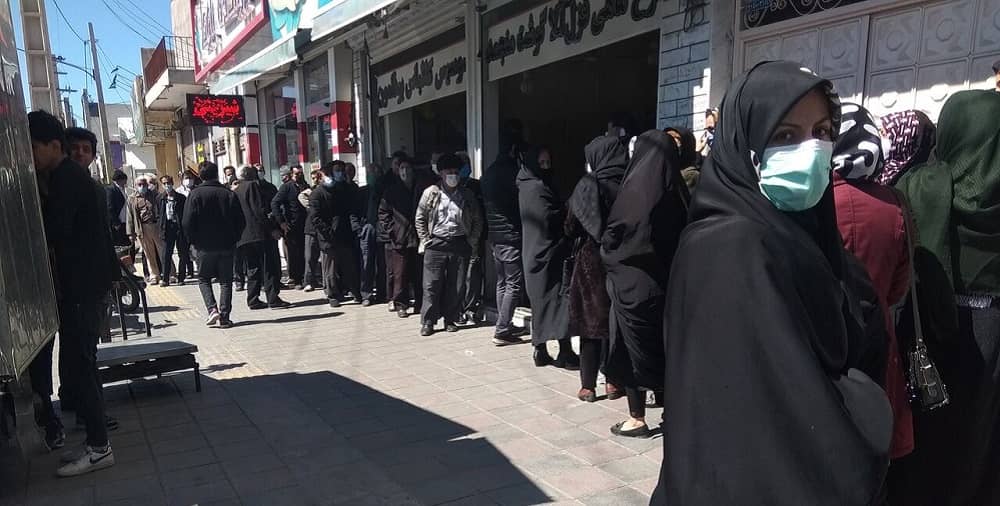
Even to the regime’s officials, it has become increasingly evident that Pezeshkian’s government is utterly inept— failing to provide basic necessities such as gas, fuel, electricity, and bread. From the outset, this administration appeared doomed to fail, operating solely to implement Khamenei’s directives.
#Pezeshkian’s Hardline Approach Is a Recipe for More Uprisings in #Iranhttps://t.co/nSJ2JyUYAX
— NCRI-FAC (@iran_policy) August 30, 2024
Farshad Momeni, speaking to Jamaran News, harshly criticized the regime’s currency unification policy and lack of transparency. “Decisions affecting 85 million people are made without even a single credible report justifying them,” he stated, warning of catastrophic consequences socially, economically, and in governance.
The Iranian state currency has plummeted, with the dollar trading above 78,000 tomans in December. Economy Minister Abdolnaser Hemmati admitted, “Our operational budget deficit has reached 1,000 trillion tomans,” acknowledging the regime’s inability to manage inflation and stabilize the middle class. Meanwhile, Donya-e-Eqtesad reported that reduced oil exports to China have significantly contributed to the escalating dollar prices.
Corruption and capital flight exacerbate the crisis. On December 4, Mohammad Dadkan demanded accountability, asking, “Why are our youth fleeing the country? It’s because irresponsible fools are in charge.”
Referencing a recent Pezeshkian speech on financial imbalances, Dadkan added: “The funds that some officials and their children have taken out of the country and invested abroad must be returned.”
Meanwhile, former minister Hossein Samsami also revealed the regime’s deliberate manipulation of currency markets to offset budget deficits. “This rise in dollar prices is a coordinated move by the government and parliament, using the Central Bank as their tool. The aim is to cover deficits and adjust wages,” he said. Meanwhile, inflation, exacerbated by sanctions and regional tensions, has made basic goods unaffordable for many Iranians.
#Iran’s State Media Reflects #Pezeshkian Administration’s Failures in First 100 Dayshttps://t.co/iGGraBzqF4
— NCRI-FAC (@iran_policy) November 17, 2024
In a rare moment of candor, Abdolvahid Fayazi, a parliamentary budget committee member, admitted that the government’s approach is unfeasible. “The nation’s current condition is unsuitable for raising fuel prices,” he warned, confirming reports that private entities are now importing premium fuel, which will be sold at significantly higher prices than standard gasoline.
The crisis has not spared food prices either, with Kalantari lamenting, “We’re producing for whom? Our global policies don’t align with the minimum needs of the people. When policies fail to meet basic demands, what exactly are you expecting to happen?”
Even as the regime launches new mechanisms like the Commercial Currency Exchange System to reduce rent-seeking and stabilize markets, its impact remains limited. Central Bank reports show over $50 billion spent on essential imports this year, yet the disparity between controlled rates and market rates continues to fuel speculation and corruption.
With inflation and social discontent rising, analysts warn that Iran’s economic collapse is not just a financial crisis but a profound security challenge for the regime. As Momeni pointedly asked, “What social, economic, and governance consequences are you expecting from these failed policies in the 21st century?”
As social tensions escalate, fueling public outrage and daily street protests, the regime is under increasing pressure. Judiciary Chief Gholam-Hossein Mohseni Eje’i acknowledged the growing challenges, stating, “The enemy is currently more determined than ever to undermine the psychological and overall security of citizens through fearmongering and spreading falsehoods.” In direct collaboration with intelligence, security, and law enforcement agencies, he instructed the Attorney General and prosecutors nationwide to “take all necessary measures to stabilize and strengthen the security of the people and citizens.”