

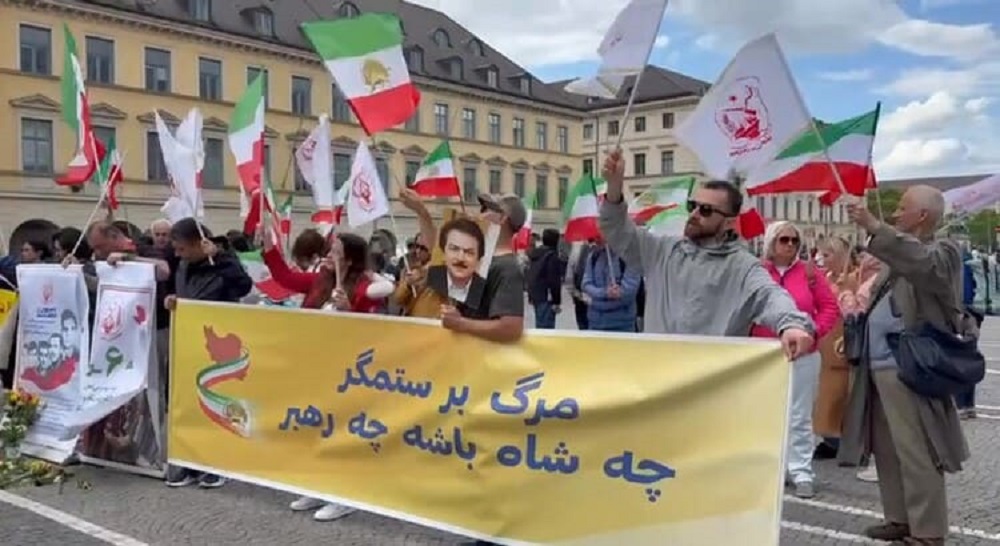
THIS PAGE WILL BE UPDATED WITH THE LATEST NEWS
UPDATE: 9:00 AM CEST
Empty ovens, full streets: Regime’s power crisis kneecaps Iran’s bakers, ignites protests

The Iranian regime’s abject failure to maintain even the most basic infrastructure, particularly a stable electricity supply, is wreaking havoc on the lives and livelihoods of the nation’s bakers. These essential workers, who provide the daily bread for millions, are now facing financial ruin and unbearable working conditions due to constant, unannounced power outages. The regime’s incompetence and neglect have not only emptied ovens but have also filled the streets with angry bakers demanding their fundamental rights, highlighting a deepening crisis that resonates far beyond the bakery door.
Execution of Two Prisoners in Zahedan and Damghan Central Prisons
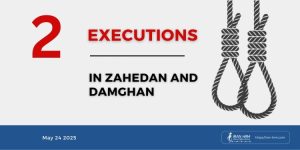
Two prisoners were executed in Damghan and Zahedan prisons. This brings the total number of executions in the Persian month of Ordibehesht (April 21 to May 21) to 153.
The National Strike of Iranian Truck Drivers
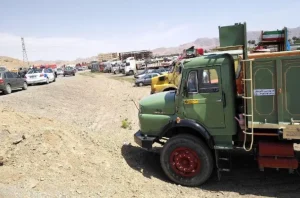
On May 21, 2025, a wave of defiance and solidarity swept across Iran as truck drivers from all corners of the country initiated a nationwide strike. The catalyst was not a single event but a culmination of deep-seated grievances: deteriorating economic conditions, years of injustice, and the recent tragic and avoidable deaths of several drivers at Rajaei Port in Bandar Abbas. What began as a protest in one southern city rapidly evolved into a powerful national movement. Major urban centers such as Tabriz, Shiraz, Kermanshah, Qazvin, Arak, and Ilam soon joined the strike, creating an unprecedented halt in freight transportation across the nation.
MEK Resistance Units in Zahedan Lead the Fight Against Iran’s Regime — From Bread and Water to Revolution

May 23, 2025: The Iranian city of Zahedan, the capital of Sistan and Baluchestan Province, is witnessing a significant escalation in the activities of the MEK Resistance Units—affiliated with the People’s Mojahedin Organization of Iran (PMOI/MEK)—directly targeting the ruling mullahs’ regime. These activities include widespread campaigns of banner installation and graffiti across the city, clearly indicating the growing popular resistance.
Nuclear Talks Resume Between Iranian Regime and U.S. Amid Stalemate and Tensions

The Iranian regime and U.S. negotiators resumed a new round of talks in Rome on Friday, May 23, aiming to resolve the decades-long dispute over Tehran’s nuclear ambitions. This comes as the regime’s supreme leader, Ali Khamenei, has warned that reaching a new agreement may be unattainable due to conflicting red lines.
U.S. President Donald Trump seeks to curb Tehran’s potential capacity to produce nuclear weapons—a capability that could spark a nuclear arms race in the region.
Critical Conditions of Political Prisoners in Iran
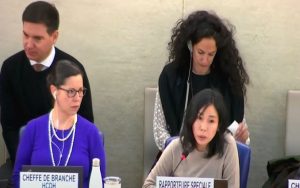
Following a public appeal by the distressed mother of Bijan Kazemi—who has only managed a single two-minute phone call after 120 days of her son’s detention and has been denied any visitation despite repeated efforts—the Iranian Resistance has urged Ms. Mai Sato, the UN Special Rapporteur on human rights in Iran, and other international human rights bodies to secure immediate and direct access to political prisoners Bijan Kazemi, Mohammad Akbari Monfared, Amirhossein Akbari Monfared, and Maryam Akbari Monfared and to provide a report on the health conditions and treatment of each of them.
Smuggling and Monopoly: The Hidden Crisis in Iran’s Home Appliance Market
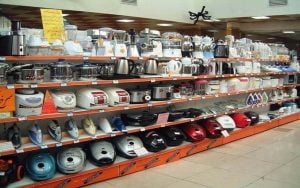
Smuggling has long plagued Iran’s economy, undermining domestic production, employment, and overall economic stability. Among the many sectors affected, the home appliance market has emerged as one of the most prominent and problematic arenas for illicit trade.
In recent years, Iran’s ban on the import of household appliances—enforced at the behest of regime Supreme Leader Ali Khamenei and intended to protect domestic production—has inadvertently fueled an underground market. Rather than bolstering Iranian manufacturing, the policy has intensified smuggling, often with the complicity of government-linked institutions and powerful industrial groups.
Caspian Sea Crisis: Environmental Collapse and Political Neglect Threaten Iran’s Vital Wetlands
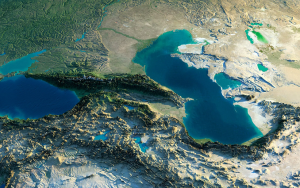
The Caspian Sea—the largest enclosed inland body of water in the world—is facing a dramatic and long-term decline in its water levels, a crisis with devastating consequences for both the environment and local communities.
Among the most endangered areas is the Miankaleh Wetland, a UNESCO-recognized biosphere reserve and one of Iran’s most valuable ecosystems.
Once a vibrant haven for migratory birds and home to diverse wildlife, Miankaleh is now drying up—falling victim to the shrinking Caspian Sea and decades of environmental mismanagement.
Iran Executes 165 in a Month: Wave of Repression Reaches New Heights Under Pezeshkian Government
Ordibehesht 1404 (April–May 2025) marked the bloodiest month in Iran in recent memory, with at least 165 executions recorded, including four women and two juvenile offenders. On the final day of the month alone, 18 prisoners were hanged in various prisons across the country—a grim average of more than five executions per day.
Among the victims, 29 were members of the Baluch minority, comprising 19 percent of the total. The majority of executions—77 in total, or 48 percent—were reportedly carried out on drug-related charges, often in proceedings marked by secrecy and linked to shadowy activities of institutions like the Islamic Revolutionary Guard Corps (IRGC).