

A fierce wave of public anger is sweeping across Iran as the clerical regime’s chronic mismanagement plunges the country into darkness and drought, sparking widespread protests that reveal the deep-seated illegitimacy of the ruling system.
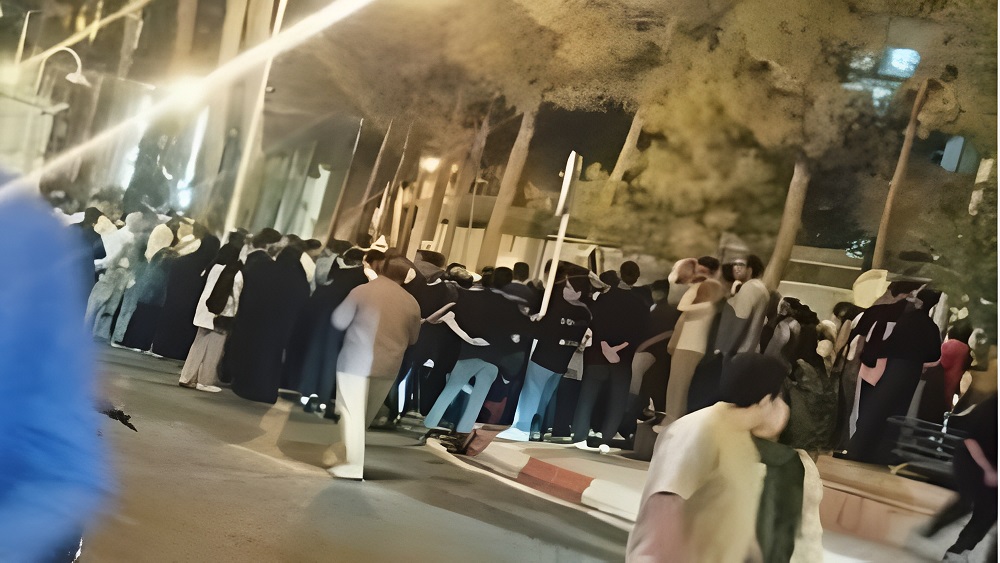
On July 21 and 22, 2025, furious citizens in cities like Sabzevar and Karaj took to the streets, blocking roads and chanting against the catastrophic and prolonged water and electricity cuts that have made daily life unbearable. These protests are not isolated incidents over failing services; they are the latest, most potent evidence of a nation pushed to its limit, confronting a regime whose incompetence is now undeniable.
July 22—Sabzevar, northeast Iran
People of Sabzevar protest constant power and water outages.#IranProtestspic.twitter.com/u3BmQYjaLa— People's Mojahedin Organization of Iran (PMOI/MEK) (@Mojahedineng) July 22, 2025
A Nation in Paralysis: Regime Admits Its Own Failure
The scale of the crisis is so profound that the regime itself has been forced to acknowledge its own paralysis. Facing an overwhelmed power grid during a scorching heatwave, authorities have mandated the shutdown of government offices, banks, and public centers across at least 12 provinces.
These include Kerman, Alborz, Mazandaran, Hormozgan, Yazd, West Azerbaijan, Ilam, Khuzestan, North and South Khorasan, Markazi, and Kurdistan. Regime authorities are attributing them to the need for managing the electricity grid pressure. This is a clear, though reluctant, admission from the regime that its decades of corruption and neglect have left Iran’s critical infrastructure in a state of collapse, rendering it incapable of providing the most basic functions of a state.
A Unified Cry for Change Across Society
The current unrest demonstrates a remarkable unity of purpose, transcending geography and social class. In Tehran and Alborz province, citizens are incensed by hours-long utility cuts with no warning. In the Jahan-nama district of Karaj, residents reported a staggering 10 consecutive days without water. In resource-rich Khuzestan province, where extreme heat combined with power outages has turned life into a “hell,” protests continue to erupt. Meanwhile, in long-neglected provinces like Sistan and Baluchestan, residents of cities such as Zabol have endured severe blackouts since the spring.
This anger is not confined to households. On July 21, laid-off workers from the Zamzam 3 steel project in Khuzestan, accompanied by their families, rallied at the company complex to demand their jobs back after being betrayed by promises of employment.
More footage of security agents attacking the peaceful protest of customers of Padideye Shandiz, who have received no response or resolution from authorities after 12 years of being defrauded of their investments.#IranProtestspic.twitter.com/YRVFpCfXFI
— People's Mojahedin Organization of Iran (PMOI/MEK) (@Mojahedineng) July 22, 2025
On July 22, the regime’s repressive forces violently attacked and arrested shareholders of the Padideh Shandiz project in Mashhad for daring to protest a massive financial fraud case. From the family without water to the worker cheated out of his livelihood, the Iranian people are identifying a single source of their suffering: the corrupt and oppressive ruling theocracy.
The Regime’s Contemptuous Response
Any hope that the new administration of Masoud Pezeshkian would offer a different approach was shattered by the callous remarks of his spokesperson, Fatemeh Mohajerani. On July 22, she addressed the nationwide shutdowns not as a crisis, but as an “opportunity for people to catch a breath” and suggested they take a trip to the north. Her comments, delivered while citizens line up in virtual queues of 200 people just to ask why their water has been cut, epitomize the regime’s profound detachment from and contempt for the people it rules. Offering a vacation as a solution to a humanitarian crisis caused by its own failure is a stark admission that this government has no answers and no empathy.
The events of this summer demonstrate a fundamental truth: the Iranian regime is rotten to its core. It is incapable of providing security, prosperity, or even the most basic necessities like water and electricity. The system remains one of plunder, oppression, and gross incompetence.