

Three-minute read
Iran’s domestic pressures sharpened on October 2, 2026, with several separate security incidents reported across Sistan and Baluchestan while the rial fell to another record low and domestic industry groups warned that power cuts, financing shortages and deteriorating working conditions were threatening production and employment.
The most substantial confrontation unfolded around Bidlad and Shushgim villages in Rask County. Local sources said security forces entered the area at about 5:30 a.m. and that exchanges of fire and powerful explosions continued for more than six hours, with additional personnel and military equipment sent to the area. The IRGC-run Tasnim confirmed an armed confrontation in a Rask village. Later in the day, the IRGC’s Quds regional headquarters claimed its forces had killed two armed men in western Rask and were pursuing others. It also claimed weapons and a Starlink terminal were found at their hideout and linked the group to previous attacks.
Three Security Incidents in One Morning
A second incident was reported in Nokabad, the administrative center of Taftan County, where gunmen reportedly opened fire on a local Intelligence Ministry office shortly after midnight. Local reports said an explosion was also heard and footage showed bullet impacts on the building.
Hours of heavy gunfire shook IranShahr as security forces deployed armored vehicles and drones.
Elsewhere, the dollar broke 250,000 tomans, police arrested currency traders, #medicine supplies strained, teachers quit, and compulsory hijab moved toward the national-security…
— NCRI-FAC (@iran_policy) September 29, 2026
A third episode occurred near Rudmahi outside Zahedan. Local sources reported that a Land Cruiser carrying members of the Fatemiyoun force was first struck by a roadside explosive and then fired upon, claiming at least five fatalities. The IRGC separately confirmed that one member of its forces was killed by a roadside bomb somewhere in Sistan and Baluchestan, without initially providing the location or corroborating the larger casualty figure. A channel close to the IRGC subsequently identified the dead man as a Fatemiyoun member.
The Rial Hits 263,000—and the Central Bank Responds
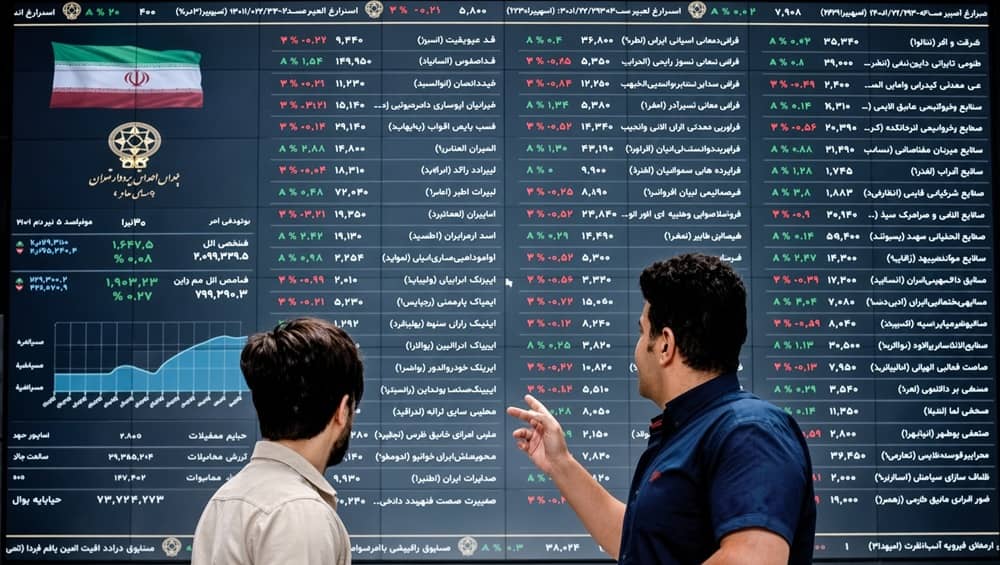
Economic pressure was simultaneously intensifying. Free-market quotations placed the dollar at about 263,200 tomans on October 2, with the euro near 296,200 and the pound around 344,800 tomans.
The Central Bank responded Friday with an unusually explicit statement acknowledging the scale of the currency turbulence. It said the current exchange rate did not “fully correspond” with the economy’s fundamental variables and attributed a significant part of the gap to “heightened uncertainty, psychological pressures and market expectations.” The bank said it would use currency and gold purchases and sales and other intervention tools whenever necessary, while notably saying its objective was not to defend any particular exchange-rate number.
Iran’s #economy is breaking at the household level. The dollar jumped from ~60,000 to ~258,000 tomans in two years. @IMFNews sees ~69% inflation in 2026 and a contracting economy. Bread, meat, oil, and medicine have surged far faster than wages—so families buy half a loaf and…
— NCRI-FAC (@iran_policy) October 2, 2026
That language matters. Rather than announcing that the market had stabilized after this week’s interventions, the monetary authority was still trying on Friday to convince the public that the prevailing exchange rate did not reflect underlying economic conditions. The argument itself highlights the depth of the confidence problem now surrounding the rial.
Industry Warns of Damage Beyond the Exchange Rate
Fresh domestic reporting on October 2 also showed how structural economic pressures are reaching producers. In East Azerbaijan, the provincial head of the House of Industry, Mine and Trade told Tasnim that repeated electricity disconnections were not simply stopping factory lines but causing contracts to be cancelled, disrupting supply chains and imposing losses on manufacturers and employment. He also identified working-capital shortages and access to financing as critical threats to industrial survival.
ILNA reported a similar pattern in Golestan. Mine workers complained of wage delays, inadequate safety equipment, insurance problems and obstacles to early retirement, while retirees cited growing medical costs and delayed reimbursements. The report said small and medium-sized businesses were struggling with working-capital shortages, access to bank credit and weak sales, with some warning that continued conditions could force more layoffs or closures.
Clashes outside Zahedan, and a security officer killed in Rask—an incident authorities initially downplayed.
Meanwhile, a senior parliamentary figure says Iran’s economy is “considerably worse,” food #inflation has topped 121%, and energy shortages are disrupting production.…— NCRI-FAC (@iran_policy) October 1, 2026
Even the Energy Ministry’s announcement Friday indirectly reflected the industrial strain. Deputy Energy Minister Mostafa Rajabi Mashhadi said industries would now be permitted to consume electricity above their contracted limits between 10 p.m. and 10 a.m. without penalties, while promising thousands of megawatts of additional generating capacity.
Infighting Reaches the Question of Authority
Political divisions also produced a fresh escalation Friday. Mashhad Friday prayer leader Ahmad Alamolhoda publicly accused officials involved in the New York diplomatic contacts of acting contrary to Mojtaba Khamenei’s instructions, asserting that they had only been authorized to communicate seven conditions rather than negotiate.
The significance is domestic rather than diplomatic. After days of attacks between factions over negotiations, a high-ranking cleric is now publicly framing the dispute as whether government officials exceeded the Supreme Leader’s authority. That pushes another policy disagreement into a struggle over obedience and the distribution of power inside the ruling establishment.
Three explosions shook #Zahedan on the anniversary of Bloody Friday as Iran’s point-to-point inflation hit 89.8%, the dollar crossed 256,000 tomans, teachers and nurses quit, internet instability spread and the state expanded loyalist mobilization.
The pressures are increasingly…
— NCRI-FAC (@iran_policy) September 30, 2026
October 2 therefore produced a particularly concentrated picture: hours of armed confrontation in Rask, an attack on an Intelligence Ministry facility, a separate roadside-bomb incident, a currency trading above 263,000 tomans, factories warning about electricity and financing, and senior regime figures disputing whether the government followed the Leader’s orders.
None of these pressures exists in isolation. Millions of Iranians living with collapsing purchasing power, accumulated grief and tightening repression are watching the same system struggle simultaneously with security shocks, economic breakdown and internal division. For a regime whose own officials repeatedly warn of sparks becoming flames, the question is increasingly not whether another trigger will emerge, but when the next economic, social or security shock will meet the accumulated fuel of grievances already spread across the country.