

Three-minute read
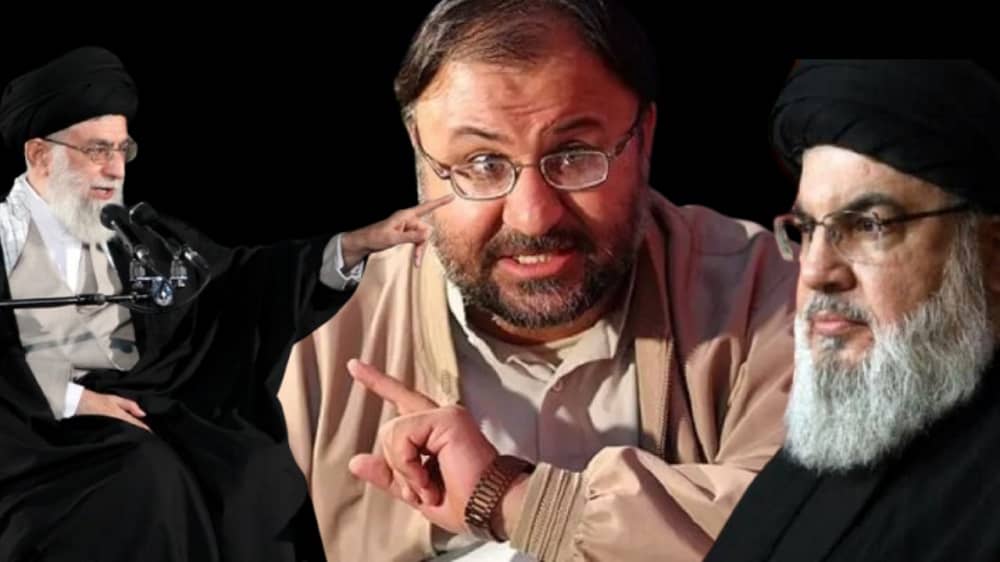
Two Iranian state-run media outlets have laid bare the deepening crisis between Tehran’s leadership and Hezbollah, highlighting internal divisions within the regime itself. The controversy centers on comments made by Mohammad Sadegh Koushki, a former intelligence interrogator and regime loyalist, who claimed that Hezbollah’s slain leader Hassan Nasrallah had criticized the Iranian regime for failing to respond decisively to the assassination of Hezbollah commander Fouad Shukur.
#Iranian Officials Sound Alarm Over “Psychological War” Amid Fears of Collapsing Morale Among Forceshttps://t.co/FMtAdSTToT
— NCRI-FAC (@iran_policy) January 10, 2025
Another newspaper, Khorasan, further condemned Koushki, labeling his remarks as “baseless and devoid of any real understanding of the political and security dynamics.” The publication warned of the damage caused by such claims, adding: “This rhetoric undermines public confidence in Iran’s military and political leadership, aligning with the very narratives propagated by Zionist media to create divisions within the resistance.”
In his latest public speeches, the Iranian regime’s Supreme Leader Ali Khamenei has ordered strict measures to preserve morale among the regime’s forces, urging officials to counter “enemy propaganda” and avoid rhetoric that sows doubt or despair. He stressed promoting optimism and “tearing apart the illusion of the enemy’s power,” highlighting the regime’s reliance on its military and Basij forces for survival.
Meanwhile, Khorasan accused Koushki of fueling distrust between Tehran and its most critical proxy. “The goal of these statements is to sow distrust between the key pillars of resistance. What is even more damaging is that such narratives are now being echoed by figures who claim to be revolutionaries,” the newspaper wrote.
Former MOIS Interrogator Warns Against #MEK Influence in #Iran, Calls for Internet Restrictionshttps://t.co/FKQS8AGR8F
— NCRI-FAC (@iran_policy) January 10, 2024
The controversy reflects broader issues plaguing the regime. Recent IRGC criticism of Bashar al-Assad and the Syrian army for the fall of Damascus has underscored Tehran’s inability to manage its failing regional alliances. Farhikhtegan warned that such internal narratives play directly into the hands of the regime’s enemies, urging a strategic response: “Restoring trust requires communication through figures with broader public acceptance, not amplifying the voices of those like Koushki.”
Regardless of the narrative wars, which contrary to Khamenei’s claims are intensifying not just outside the regime but within it, Koushki’s remarks highlight the depth of internal crises. Koushki has blatantly acted against Khamenei’s strict directives, and according to state media, has created a security threat. If his statements are true, they reveal that the clerical regime is experiencing severe tensions with Hezbollah, its most critical proxy. Coupled with recent remarks by IRGC commanders expressing dissatisfaction with Bashar al-Assad and his military for the fall of Damascus, all indications point to a regime trapped in profound and intractable crises.