

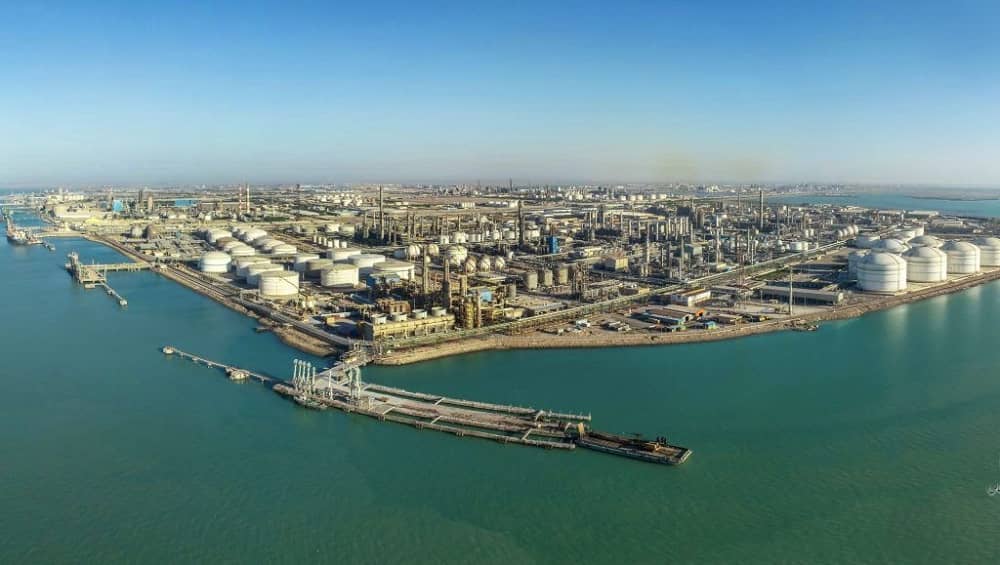
A report by the state-run Donya-e-Eqtesad on January 30 has exposed the dire state of Iran’s port trade, acknowledging that the country’s maritime infrastructure is failing to compete with regional and global players. The report reveals that despite Iran’s strategic geographic position, its major southern ports—Shahid Rajaee and Imam Khomeini—are underutilized, lacking the necessary infrastructure, modern loading technologies, and global trade integration to remain competitive.
According to Donya-e-Eqtesad, Iran’s port trade volume is alarmingly small compared to major regional competitors. The report cites data from the global Port Watch index, a joint project of the International Monetary Fund (IMF) and Oxford University, which indicates that Iranian ports handle less than 1% of the trade volume seen in some major regional ports. In stark contrast, ports in neighboring countries like the UAE and Oman have expanded their global trade influence, utilizing their strategic locations to maximize economic benefits.
For example:
- Bander Shahid Rajaee, Iran’s largest container port, had an average of just 1 cargo ship per day docked on January 8, 2025.
- Bander Imam Khomeini reported similar numbers, with only one ship operating on the same day.
- In comparison, Jebel Ali Port (UAE) handled 12 cargo ships and 4 oil tankers on the same day, with a weekly average of 19 ships.
- Sohar Port (Oman) received 5 cargo ships and 2 oil tankers, showcasing a diversified and active trade environment.
- Rotterdam Port (Netherlands), a global trade leader, reported 33 cargo ships and 48 oil tankers in one day, averaging 67 ships per week.
#Iran News: Regime Mismanagement Triggers Trade Crisis as #Turkey Hits Iranian Truckers with Heavy Fuel Taxeshttps://t.co/9549CvzD1C
— NCRI-FAC (@iran_policy) January 8, 2025
Severe Infrastructure and Policy Deficiencies
The report highlights chronic underinvestment, outdated infrastructure, and lack of integration into global trade as key factors behind the decline of Iran’s ports, implicitly pointing to systemic policy failures. It outlines multiple shortcomings:
- Outdated Port Infrastructure – Iran’s ports lack modern docking facilities, efficient cargo loading/unloading systems, and digital logistics management, making operations sluggish.
- Isolation from Global Trade Chains – Due to sanctions and weak trade agreements, Iranian ports are sidelined from major global shipping routes.
- Lack of Investment – Unlike regional rivals that have invested heavily in upgrading their ports, Iran’s maritime sector suffers from chronic underfunding.
- Declining Trade Volumes – Iran’s primary ports struggle to attract shipping companies, leading to drastically reduced import and export volumes.
The lack of infrastructure investment is particularly evident in trade figures. For instance:
- Shahid Rajaee Port’s import volume was 1,303 tons on January 8, compared to 955 tons weekly, marking a slow increase but still far below past levels.
- Imam Khomeini Port’s import volume stood at just 10 tons, a dramatic drop from its previous weekly average of 36,410 tons.
- Jebel Ali Port processed 198,357 tons of imports in a single day, nearly 200 times more than Imam Khomeini.
U.S. Designates Iran Regime's Petroleum Shipping Network That Supports #IRGC https://t.co/XRDKv6tN2r#Iran #IRGCTerrorists pic.twitter.com/DppyNaU1i1
— NCRI-FAC (@iran_policy) September 5, 2019
Iran’s Declining Export Performance
Exports from Iran’s ports also reflect the country’s economic struggles. Data from Donya-e-Eqtesad reveals:
- Shahid Rajaee’s exports fell from 1,787 tons to 859 tons per week, showing a 50% drop in just one year.
- Imam Khomeini Port’s exports stagnated at 1,512 tons, significantly lower than competitors in the region.
- Meanwhile, Jebel Ali’s exports were 82,875 tons in one day, dwarfing Iran’s total weekly exports from both major ports.
- Rotterdam’s daily exports reached 212,024 tons, highlighting the gap between Iran and global maritime powers.
#NCRI press conf: #Iran #IRGC uses ports in Oman to smuggle arms to #Yemen #BlacklistIRGC pic.twitter.com/g2uuTI11Gj
— NCRI-FAC (@iran_policy) March 7, 2017
Regime Mismanagement and Economic Neglect
The Donya-e-Eqtesad report, however indirectly, underscores how years of economic mismanagement, corruption, and misplaced state priorities have left Iran’s ports in shambles. While regional competitors like the UAE and Oman have turned their ports into global trade hubs through investment, efficiency, and strategic planning, the Iranian regime has squandered resources on ideological and military ventures instead of strengthening the country’s economic foundations.
Iran’s failure to modernize its ports is not just a logistical issue—it reflects the broader incompetence of the ruling establishment. Tehran’s focus on regional interventions, costly military engagements, and maintaining an inefficient bureaucratic system has come at the direct expense of economic growth.
Rather than addressing the core issues of infrastructure and trade competitiveness, the regime continues to double down on restrictive policies, sanctions evasion, and short-term fixes. Without a fundamental shift in economic governance and an end to destructive policies, Iran’s ports will remain isolated, underutilized, and incapable of contributing meaningfully to the country’s economy, further deepening the crisis for businesses and citizens alike.