

Two-minute read
The clerical regime in Iran is facing a compounding crisis as economic mismanagement, hyperinflation, and public outrage converge, forcing senior officials into unprecedented admissions of failure. On August 16, 2026, state news agency ISNA reported that Vice President Mohammad-Reza Aref admitted the price situation has become “painful,” warning that the administration must prepare for “worst-case scenarios” as the U.S. dollar crossed 187,000 tomans. While the Statistical Center of Iran recorded point-to-point food inflation at 128.1% in late July 2026, state officials offered stark denial; Agriculture Minister Gholamreza Nouri-Ghezeljeh claimed on August 16, 2026, that “food security in the country works like a precise clock,” even as staple meat prices surged up to 178% year-over-year.
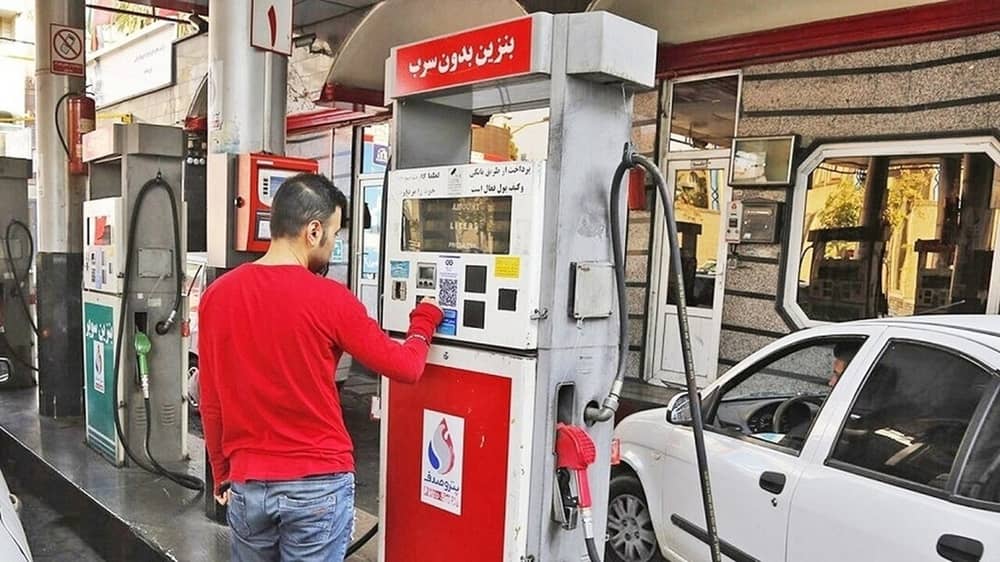
Compounding food insecurity is a severe energy crisis threatening national infrastructure. On August 15, 2026, Energy Management Chief Saqab-Esfahani acknowledged that daily gasoline consumption of 135 million liters vastly outpaces refinery production of 121 million liters, leaving a daily deficit of 15 million liters. Describing proposed rationing schemes as a “forced point,” the government faces massive public pushback over impending price hikes. Parliament Vice Speaker Hajibabaei warned during a session reported by state media on August 16, 2026, against taking “unwise” steps regarding fuel prices, cautioning that abrupt decisions risk destabilizing society under already perilous domestic conditions.
Report on Nationwide #IranProtests
March 20, 2025 – March 20, 2026https://t.co/OdiPa3vxU4— NCRI-FAC (@iran_policy) August 12, 2026
Systemic decay is further exposed by state-sanctioned corruption and healthcare failure. Speaking to ISNA on August 16, 2026, Executive Vice President Mohammad Ja’far Qaempanah highlighted a shadow VPN market generating 7 to 12 trillion tomans, admitting, “we do not know whose pockets it goes into,” even as top leadership offices actively use blocked Western platforms. Simultaneously, Food and Drug Organization chief Mehdi Pirsalehi disclosed on August 16, 2026, that two-thirds of essential medicines underwent double price hikes since spring, leaving critical patients facing life-threatening shortages due to broken supply chains and unallocated state funds.
Legislative Paranoia and Digital Repression
To suppress mounting unrest, Tehran has intensified its crackdown on digital infrastructure at immense economic cost. On August 16, 2026, Minister of Communications Sattar Hashemi revealed that internet disruptions inflicted over 67 trillion tomans in direct losses on the digital economy. Following an 88-day nationwide blackout that began on February 28, 2026—the longest in modern history—data from network monitor IODA and tech outlet Digiato confirmed on August 16, 2026, that 79% of surveyed users experienced worsening connectivity, with national traffic throttled at barely 59% of normal baselines.
"You can terrorize an opinion. You cannot terrorize an appetite. You can shoot a demonstrator, and the regime has shot thousands. You cannot shoot #hunger, and hunger does not get tired, does not go home at night, and does not negotiate," writes @MansoreGolestan.…
— NCRI-FAC (@iran_policy) August 13, 2026
Fearing civilian dissatisfaction will reach the international community, parliament approved sweeping security legislation on August 16, 2026. As reported by official state parliamentary media ICANA, spokesperson Abbas Goudarzi announced a bill criminalizing all unauthorized contact, interviews, or transmission of footage to foreign media outlets. Under the law, sharing data with foreign outlets carries two to five years in prison, while state workers face mandatory dismissal. The law designates the Ministry of Intelligence and IRGC Intelligence as enforcement bodies, codifying sentences up to 30 years in prison for broad national security offenses.
These draconian measures reflect an establishment trapped in a terminal spiral, attempting to mask structural failure with state coercion. With basic food costs doubling, acute fuel deficits looming, medical supply lines collapsing, and localized protests continuing—such as a demonstration by telecommunications retirees in Kurdistan on August 16, 2026—the clerical leadership’s reliance on censorship and IRGC enforcement reveals profound vulnerability. Rather than restoring control, Tehran’s heavy-handed criminalization of speech and forced economic measures will only accelerate domestic rage, bringing the regime closer to inevitable internal rupture.