

THIS PAGE WILL BE UPDATED WITH THE LATEST NEWS
UPDATE: 7:00 AM CET
Iranian Youth Rise Against Regime’s Misogyny And Repression

In response to the Iranian regime’s criminal “Chastity and Hijab Law,” which ramps up repression and pressure against women and girls, Iran’s rebellious youth launched attacks on the regime’s repression and corruption centers on December 3, 2024, with slogans like “No to compulsory hijab, no to forced religion, and no to mandatory government.”
In their activities, the rebellious youth targeted symbols of misogyny and “mandatory government” in several cities across the country. These targets included regime building tasked with repression and looting, propaganda banners depicting the regime’s leaders and repression apparatus, and facilities belonging to the IRGC and Basij, the two prominent bodies in charge of suppressing dissidents, especially women:
The Collapse of The Iranian Regime’s “Strategic Depth”

The oppressive regime of Syrian dictator Bashar al-Assad, one of the most notorious criminals of the 21st century and a key ally of the Iranian regime, was ultimately overthrown by Syrian rebels and the people. After five decades of resistance, torture, and unyielding determination, the long-suffering Syrian people triumphed, their victory marked by countless martyrs. With the fall of Tehran’s closest ally in the Middle East, the clerical regime’s strategic depth crumbled, triggering alarm in Tehran.
Twelve years ago, Mehdi Taeb, head of the regime’s Ammar Headquarters, remarked, “If the enemy attacks us and aims to seize Syria or Khuzestan, our priority must be to hold Syria. If we hold Syria, we can reclaim Khuzestan. But if we lose Syria, we cannot even defend Tehran” (Asr-e Iran, February 15, 2013).
The Persistence of Inhumane Punishments in Iran: Hand Amputation Sentences on the Rise

In a recent speech, Gholam-Hossein Mohseni-Eje’i, Chief Justice of Iran, revealed a disturbing trend: the highest number of hand amputation sentences in the country has been carried out over the past three years. Speaking at Tehran Azad University’s Science and Research Unit, Eje’i emphasized that these sentences were implemented despite mounting domestic and international pressure—a stark indication of the regime’s attempts to suppress dissent and intimidate its populace amid growing fears of renewed popular protests.
Eje’i, who is internationally recognized as a prominent human rights violator, defended these actions, claiming they align with Islamic law. Addressing the students, he stated, “If theft is proven under the conditions set forth in Islam, the thief’s fingers should be cut off.” He further described such punishments as divine decrees, asserting that they continue to be enforced in Iran despite opposition from global and domestic actors.
The Fall of Bashar al-Assad’s Regime and Its Regional Consequences
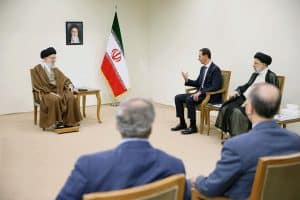
On Sunday, December 8, 2024, Syrian opposition forces entered Damascus, the capital of Syria, marking a historic turning point in the country’s prolonged conflict. Following their swift and decisive victories in cities such as Homs, Deir ez-Zor, and Dara’a, the opposition faced little resistance from government forces in the capital. The regime of Bashar al-Assad, which had ruled Syria for over two decades, came to an abrupt end as the president fled the country. This event also marked the conclusion of 53 years of rule by the Assad family’s Alawite dynasty.
Reports suggest that Bashar al-Assad left Syria for an undisclosed location prior to the opposition’s arrival in Damascus. His departure signifies the collapse of a regime that had survived years of civil war and international scrutiny. Assad, who succeeded his father, Hafez al-Assad, as Syria’s president in 2000, was initially perceived as a reformist. However, this image quickly dissolved as his government continued policies of repression, including the imprisonment of political activists and intellectuals associated with the Damascus Spring movement.
Remembering the Victims of Genocide in Iran

December 9, observed as Genocide Prevention Day, commemorates the adoption of the UN Genocide Convention in 1948. This day serves as a solemn reminder of the victims of genocide and calls on people globally to reflect on history’s lessons. It also urges collective action to prevent such atrocities from occurring again. A report in July 2024 by the former UN Special Rapporteur Javaid Rehman described the Iranian regime’s mass executions in 1981 and 1982, and the massacre of 30,000 political prisoners in 1988, as genocide because the majority of the executions targeted the PMOI and individuals who remained steadfast in their beliefs.
On this day, let us remember the victims of genocide in Iran. Following is the speech by Ms. Zohreh Shafaei, one of the survivors of the genocide in Iran.
Tehran’s Air Quality On The Verge Of Becoming Extremely Unhealthy
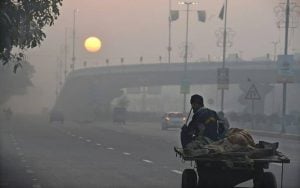
The air pollution in the metropolitan areas of Tehran and Karaj has once again reached levels deemed “unhealthy for all groups,” and an official from the Ministry of Health has warned about the potential transition to an “extremely unhealthy” condition.
According to a Ministry of Health official, the air in Tehran is nearing “extremely unhealthy” levels, with air quality indices exceeding 150 at more than 90% of monitoring stations in the city. By official definition, an “extremely unhealthy” status poses serious health risks to individuals of all ages and physical conditions.
Abbas Shahsavani, the head of the Air Health and Climate Change Group at the Ministry of Health, issued a warning about Tehran’s air pollution on Saturday, December 7, describing the situation as “critical.”
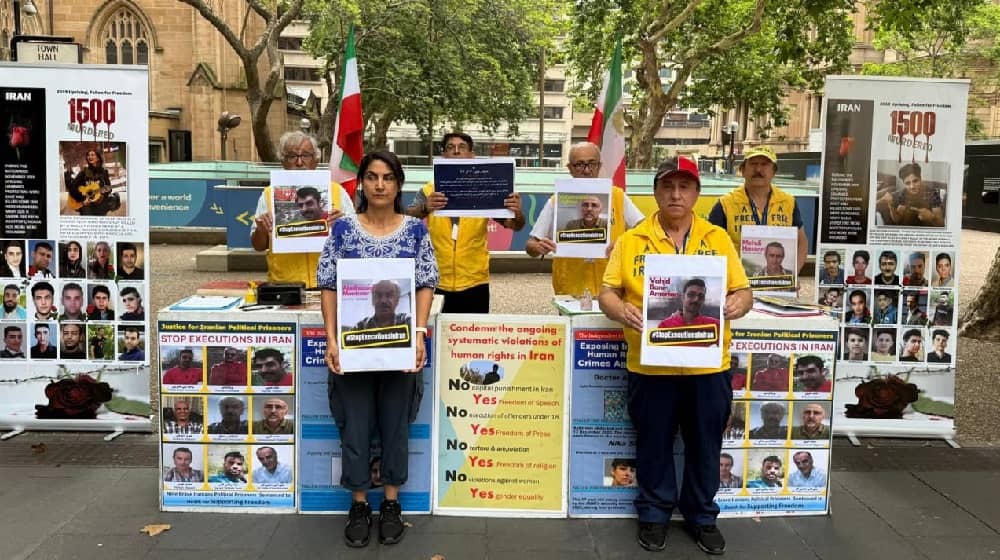
Supporters of MEK in Sydney Rally Against Death Sentences for Six PMOI-Linked Political Prisoners – December 6, 2024
Supporters of #MEK in #Sydney Rally Against Death Sentences for Six #PMOI-Linked Political Prisoners – December 6, 2024 #FreePoliticalPrisoners #StopExecutionsInIran #FreeIran https://t.co/xaG6VdF23n
— Iran Freedom (@4FreedominIran) December 8, 2024
Sydney, Australia—December 6, 2024: Freedom-loving Iranians and supporters of the People’s Mojahedin Organization of Iran (PMOI/MEK) held a rally to protest the death sentences for six political prisoners associated with the PMOI.
The event also condemned the Iranian regime’s ongoing crimes against the Iranian people and expressed solidarity with the ongoing Iranian Revolution.
The Iranian community in Sydney expressed their support for a democratic republic in Iran, firmly rejecting all forms of dictatorship, including both the mullahs’ regime and any potential return to the Shah’s rule.