

THIS PAGE WILL BE UPDATED WITH THE LATEST NEWS
UPDATE: 9:30 AM CET
How Iran’s Regime Uses Hostage-Taking as A Key Pillar of Its Foreign Policy
One of the prominent features of the foreign policy of Iran’s regime over the past four decades has been the systematic use of hostage-taking as a tool for blackmail and extracting concessions from Western countries. This unethical and inhumane policy, initiated in the early days of the regime, has recently evolved into more complex and extensive forms. Whether for financial gain or political extortion, hostage-taking has been a cornerstone of the regime’s foreign policy.
The roots of hostage-taking in the clerical regime trace back to the early years following the 1979 Revolution. One of the most infamous examples was the takeover of the U.S. Embassy in Tehran in 1979, during which 52 American diplomats were held hostage for 444 days. This act, carried out with the approval and support of Ruhollah Khomeini, the founder of the mullahs’ regime, marked the beginning of hostage-taking as an official tool in the regime’s foreign policy.
Qasem Soleimani’s Crimes Against the PMOI

On the anniversary of Qassem Soleimani’s death, the Iranian regime’s leaders continue to mourn the death of their terror mastermind and former head of the terrorist Quds Force. This comes at a time when, with Bashar al-Assad’s downfall, Soleimani’s crimes in Syria have been unveiled, igniting the anger and hatred of the Syrian people against this criminal. While the world knows Qassem Soleimani for his collaboration with Bashar al-Assad, his role in the massacre and forced displacement of millions of Syrians, and the destruction of cities like Aleppo, as well as his violent actions in Iraq, the People’s Mojahedin Organization of Iran (PMOI/MEK), identified as the regime’s primary threat, has been the first target of Soleimani’s killings and atrocities.
Qassem Soleimani, as the commander of the IRGC’s 41st Division, participated in operations against the PMOI during the “Eternal Light” operation. Following this, he continued as a key leader and direct perpetrator of attacks against the PMOI.
PMOI Resistance Units: “From Zahedan to Tehran, Down With The Oppressor”

On January 3rd, PMOI Resistance Units in the city of Zahedan intensified their activities to challenge the religious dictatorship through coordinated operations, including distributing leaflets, graffiti, and widespread posting of announcements across the city. These actions came in the face of the regime’s increased executions aimed at intimidating society, showcasing the unwavering determination of these units to achieve freedom for Iran at any cost.
In their activities, the Resistance Units held placards with messages stating: “The legacy of the Bloody Friday martyrs: no negotiation, no surrender, the struggle until the regime’s overthrow.” This slogan reflects the resistance’s persistence and its commitment to justice for the martyrs who sacrificed their lives in previous uprisings. The “Bloody Friday of Zahedan” happened in 2022, when regime security forces opened fire on a peaceful protest rally, killing more than 100 civilians, including at least a dozen children.
The Looming Crisis: Land Subsidence in Iran Threatens Infrastructure and Lives

Iran is facing a severe land subsidence crisis, with media reports highlighting that approximately 56,000 square kilometers of the country are under threat. This area encompasses 8 airports, 54 railway stations, 25 metro stations, and houses an estimated 14 million people. The scope of the issue has prompted dramatic headlines, such as one from the Didban Iran website: “A monster called subsidence is devouring Iran.”
In a detailed report by Didban Iran, the Environmental Protection Organization disclosed that 256 out of 429 cities in Iran are grappling with subsidence. Eight cities—Kerman, Rafsanjan, and Sirjan in Kerman Province; Marvdasht in Fars Province; Neyshabur in Razavi Khorasan Province; Bueenzahra in Qazvin Province; and Gonbad-e Kavus and Aqqala in Golestan Province—have experienced land subsidence exceeding 1,000 square kilometers each.
Ghazaaleh Hodoodi, a 27-Year-Old Mother, Burned Alive by Rejected Suitor

The scourge of femicide and honor killings has once again highlighted the systemic violence against women in Iran, a country governed by a regime steeped in misogyny.
On Wednesday, December 25, 2024, Ghazaaleh Hodoodi, a 27-year-old mother of an 11-year-old daughter, was doused with gasoline and set on fire by a man whose proposal of marriage she had declined. Despite efforts to save her, she died two days later in the hospital, having suffered burns over 60% of her body.
Ghazaaleh was originally from a village in Qorveh County. At just 15 years old, she was married to a much older man who spent most of his life behind bars due to methamphetamine addiction and theft-related offenses. Two years ago, she divorced him, secured custody of her daughter, and started a tailoring business in Sanandaj to support her small family.
Unprecedented Inflation And Rising Prices In Iran’s Food Market

With the ongoing rise in currency exchange rates and industrial power and gas outages, general price levels in Iran are climbing, and media outlets report unprecedented inflation in the food market.
The website Nournews, affiliated with the Iranian regime’s Supreme National Security Council, reported on Thursday, January 2, that consumer goods prices are surging. Tomatoes experienced a 76% price hike, making them the most affected agricultural product, followed by potatoes and onions, with increases of 74.3% and 71.1%, respectively.
According to official statistics cited in published reports, sugar prices rose by 66%, Iranian rice by 56%, and cooking oil by 40% in December compared to the same month the previous year. In protein products, chicken prices increased by 40%, and red meat by 39%.
Major Saudi Food Company Exits Iran After 20 Years
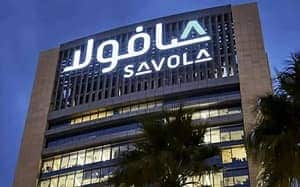
The Saudi Arabian group SAVOLA has sold all its assets in Iran for 705 million Saudi riyals (approximately $188 million) and is exiting the country.
SAVOLA, the largest Saudi investor in Iran, had invested in the production of cooking oils, including the brands Ladan, Bahar, and Nastaran. SAVOLA Food Company in Iran, a subsidiary of the larger SAVOLA Group, was engaged not only in the production and distribution of edible oils but also in seafood, industrial bread, and confectionery products.
Iranian media outlets, including 7sobh, have speculated that the decision to sell and exit the country is linked to Donald Trump‘s re-election in the U.S. and his impending return to office.
Iraq Repays Its Debt to Iran with Fuel Oil To Avoid Running Afoul of Sanctions

Due to U.S. sanctions against Iran, which prevent Baghdad from directly repaying its debt to Tehran, the Iraqi government has delivered quantities of fuel oil to traders designated by the Iranian regime as a means of partial debt settlement.
According to specialized oil and gas media in the region, this type of exchange has recently been employed by Iraq as a strategy to ease its debt burden to Tehran. Two senior officials in Iraq’s Ministry of Oil, familiar with these exchanges, told the Iraq Oil Report website in Baghdad that Prime Minister Mohammed Shia’ Al-Sudani’s government has recently been delivering 190,000 barrels of fuel oil (mazut) per day to traders linked to the Iranian regime.
Road Accident Fatalities in Iran at Highest Level In 10 Years
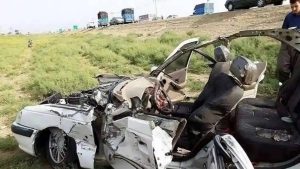
Iranian media have reported a record-breaking number of road accident fatalities over the past decade. Citing the head of Iran’s Legal Medicine Organization, they stated that more than 20,000 people lost their lives in traffic accidents last year. Abbas Masjedi, head of Iran’s Legal Medicine Organization, warned on Friday, January 3, that the rising number of road accident fatalities in the country is a “serious alarm bell.”
He stated: “Unfortunately, last year, for the first time in a decade, the number of fatalities from road accidents exceeded 20,000.”
Masjedi added: “This situation has been reported to decision-making centers. During the COVID-19 pandemic, the number of fatalities from traffic accidents decreased to some extent, but last year, due to an increase in travel and the presence of unsafe roads and vehicles, the numbers rose again.”
Iranian Regime’s Expresses Readiness for Nuclear Talks
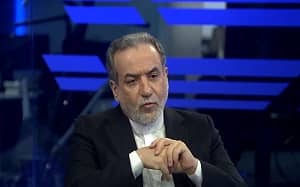
The Iranian regime’s foreign minister has stated that Tehran is ready to resume nuclear talks with the West based on the “previous JCPOA formula,” which, according to him, involves “building confidence in Iran’s nuclear program in exchange for sanctions relief.”
Abbas Araqchi, speaking during a trip to China in an interview with the CCTV network, which was broadcast by Iranian media on Friday, January 3, described the Joint Comprehensive Plan of Action (JCPOA) as the result of “good-faith negotiations” and called the U.S. withdrawal from the deal a “major strategic mistake.”
He further emphasized that diplomatic solutions remain viable and stated that the new U.S. administration must formulate its policy, upon which Iran will make its decisions accordingly.
Mahan Air Flight from Iran Under Inspection at Beirut Airport
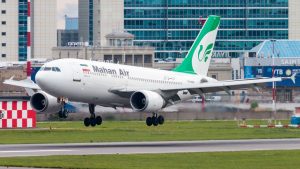
Lebanese media have reported that a Mahan Air flight was subjected to detailed inspections after landing at Beirut International Airport on the evening of Thursday, January 2, 2025. According to the reports, the inspection was ordered by Lebanon’s Interior Minister, Bassam Mawlawi, following suspicions regarding the potential transport of cash. Minister Mawlawi emphasized that if any cash cargo was discovered, it would be confiscated in favor of the Lebanese government. Security forces boarded the plane and conducted inspections of all passengers and crew members.
The Interior Minister stated in an interview with MTV Lebanon that the inspection was ongoing, and security forces were acting according to directives.
Berlin, January 3, 2025: MEK Supporters’ Exhibition Highlights Human Rights Violations in Iran

Berlin, Germany—January 3, 2025: In snowy weather, supporters of the People’s Mojahedin Organization of Iran (PMOI/MEK) held a photo exhibition and book display to shed light on human rights violations in Iran. The event focused on the country’s dire human rights situation, with particular attention to the plight of political prisoners facing death sentences.
Manchester Exhibition Denounces Iran’s Human Rights Violations and Death Sentences for Political Prisoners

Manchester, UK—January 3, 2025: Iranians, members of the Academics in Exile Association supporting the People’s Mojahedin Organization of Iran (PMOI/MEK), organized an exhibition in England to denounce human rights violations in Iran.