

THIS PAGE WILL BE UPDATED WITH THE LATEST NEWS
UPDATE: 8:00 AM CEST
Echoes of Eternal Light: Why a 37-year-old Operation Still Haunts Iran’s Regime
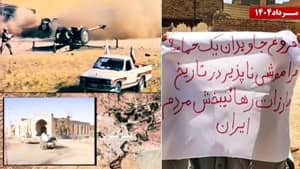
Thirty-seven years after the National Liberation Army of Iran (NLA) launched its historic “Operation Eternal Light,” the clerical regime is still gripped by a palpable fear of the resistance. This fear, born on the battlefields of 1988, now manifests in a frantic panic over the PMOI’s growing influence among Iran’s youth in the digital age. The regime’s desperate calls to fight the opposition online reveal that the legacy of Eternal Light is not a relic of the past, but a clear and present threat to its survival.
On July 25, 2025, during a Friday prayer sermon in Karaj, Supreme Leader Ali Khamenei’s representative, Hosseini Hamedani, betrayed the regime’s anxiety. He declared, “Today, we desperately need the ‘virtual Chaharzebar Pass’ to be liberated from the occupation of the enemy and these terrorists through an ‘Operation Mersad’,” referring to the regime’s name for its counteroperation to Eternal Light and the pass where the heaviest clashes took place between the NLA and the regime’s forces.
From Zahedan, a Resounding ‘No’ to All Dictators: Iran’s Resistance Units Chart a Democratic Future

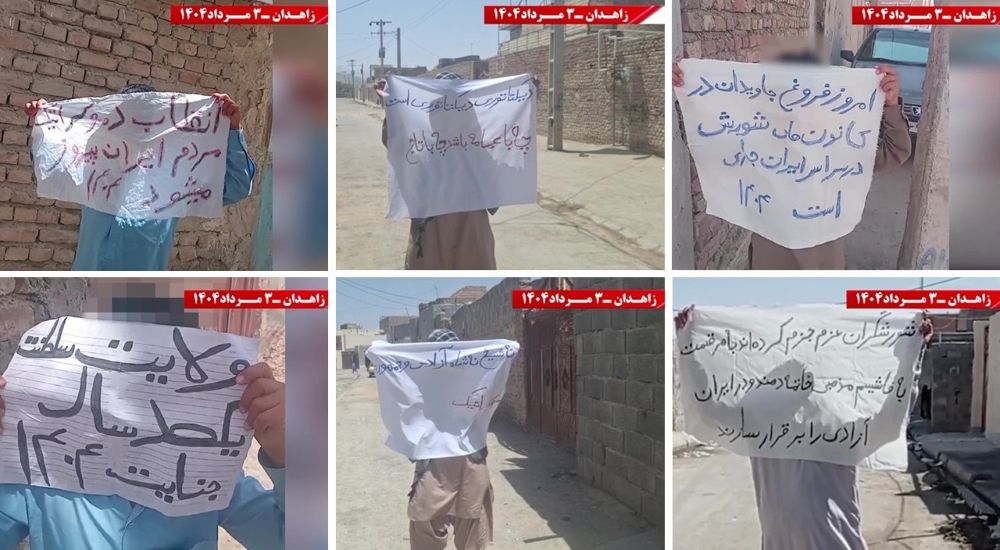
In a bold display of defiance on July 25, PMOI Resistance Units in Zahedan sent a powerful, dual message to the clerical regime and the world. Commemorating the 37th anniversary of Operation Eternal Light, these brave activists not only honored a pivotal moment in the history of Iranian resistance but also unequivocally rejected all forms of dictatorship, whether clerical or monarchist.
Through a series of placards, they made it clear that the Iranian people’s quest for freedom will not be diverted by false alternatives, declaring, “From Zahedan to Tehran, down with the oppressor, be it the shah or the mullahs.”
Dowlatabad Prison, Isfahan: White Torture of Female Political Prisoners
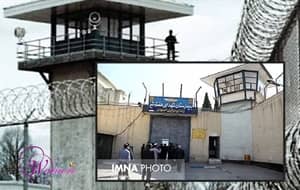
Dowlatabad Prison in Isfahan has become a new epicenter for the systemic abuse of incarcerated women—particularly political prisoners—amid appalling living conditions, psychological torture, and a complete disregard for basic human rights. The forced transfer of all female inmates across Isfahan province to this facility has intensified concerns over the safety and dignity of these prisoners. Following the closure of the women’s ward in Dastgerd Prison, authorities relocated all female prisoners to Dowlatabad Prison, a facility lacking even the most basic standards. The decision to house inmates without regard for the nature of their offenses has created a highly dangerous environment, putting the lives of political prisoners at constant risk.
UK Salisbury Exhibition Backs Iran’s Political Prisoners, Democratic Change, and ‘Blacklist IRGC’ Call

Salisbury, UK — July 25, 2025: In a powerful show of solidarity, the Academics in Exile Association held a bookstand and photo exhibition in Salisbury, Wiltshire, in support of Iran’s political prisoners and as part of its “No to Executions” campaign. The event highlighted the Iranian regime’s escalating use of executions, particularly against political prisoners affiliated with the People’s Mojahedin Organization of Iran (PMOI/MEK).
They Resist Through Pain in Iran

Fashafouyeh Prison, located in southern Tehran, is no longer merely a detention center for criminals; it has become an invisible arm of political repression. Following the bombing of Evin Prison, the ruling regime in Iran secretly transferred hundreds of political prisoners; including many with serious illnesses; to Fashafouyeh, without notifying their families. This prison lacks hygiene, medical care, classification, and basic human supervision.
The transfer was no accident. Fashafouyeh was deliberately chosen; not out of chaos, but to implement a silent and systematic policy: to erode the bodies and spirits of resistant prisoners in silence. The regime’s repression is no longer limited to executions and torture. It has embraced a more insidious method of elimination: death by medical neglect.
European Troika: We Are Ready to Activate the Snapback Mechanism
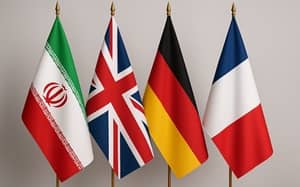
The nuclear talks between Germany, France, and the United Kingdom with Iran held in Istanbul yielded no tangible results. The European Troika threatened that if Iran does not comply with its nuclear commitments, they are prepared to activate the snapback mechanism provisioned in the 2015 nuclear deal between Tehran and world powers. On the evening of July 25, Germany, the United Kingdom, and France announced that if Iran fails to meet specific commitments regarding its nuclear program, they are ready to trigger the automatic reimposition of sanctions.
Germany’s Foreign Ministry published the joint statement of the European Troika on the social media platform X (formerly Twitter). The statement declared that the European Troika is prepared to activate the snapback mechanism for reimposing sanctions. However, if Iran abides by its legal obligations and meets specific criteria, the deadline for reimposing international sanctions will be extended. The three European countries, which are parties to the 2015 nuclear deal (JCPOA), called on Iran to “choose the path of diplomacy.”
New Wave of Repression Raises Fears of 1988-Style Mass Executions in Iran
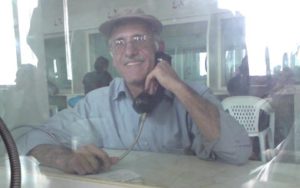
Ghezel Hesar Prison – July 26, 2025 — In a chilling open letter smuggled out of Iran’s notorious Ghezel Hesar prison, political prisoner Ali Moezi has sounded the alarm over what he calls a looming crime “similar to the summer of 1988,” referring to the massacre of thousands of political prisoners by the Iranian regime. In the opening lines of his letter, Moezi writes: “Is a crime similar to the summer of 1988 on the verge of happening? What is evident is the regime’s boundless terror of the final battle with the people in the upcoming uprising.”
According to Moezi, the regime has ramped up its crackdown on all fronts following what he describes as a “self-made ceasefire” in the recent war.
Khamenei’s Post-War Gamble: Repression, Fear, and the Shadow of 1988
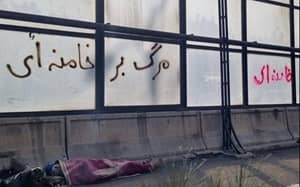
On July 23, Gholam-Hossein Mohseni-Eje’i, the head of Iran’s judiciary, appeared on state television to boast about “the arrest of thousands” and openly hinted at the possibility of executing some of them. His televised appearance, far from a routine statement, was a calculated move to deliver a message on behalf of the regime’s Supreme Leader Ali Khamenei: the regime sees no path forward except through brute force. Eje’i’s remarks signal the regime’s shift toward maximum repression in the aftermath of the recent 12-day war with Israel. Far from proposing reform or reconciliation, Eje’i’s rhetoric suggests a return to the darkest chapters of Iran’s past — evoking memories of the mass executions of political prisoners in the summer of 1988. By framing the detainees as scapegoats for the regime’s military and political failures, the judiciary chief is laying the groundwork for a broader crackdown.