

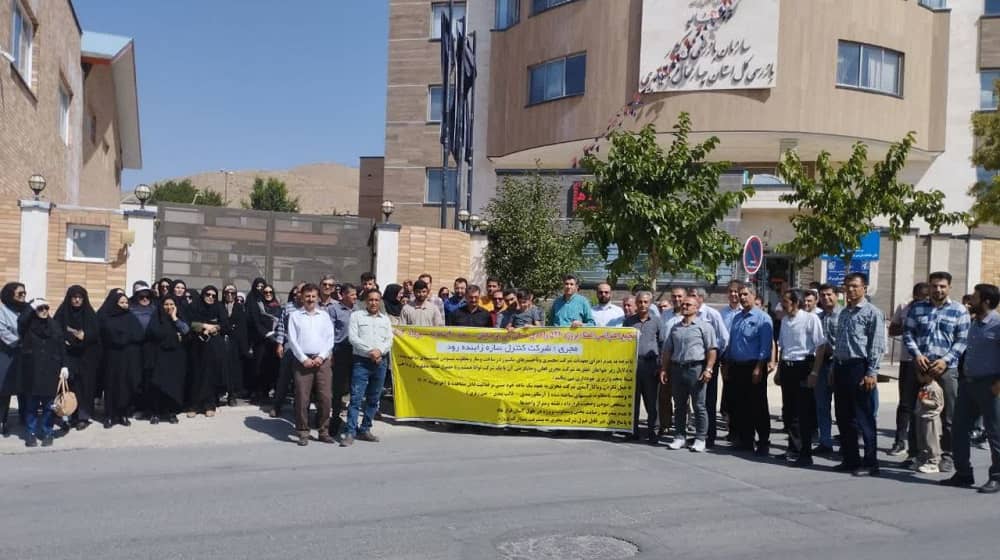
August 28, 2024 – Protests and strikes have spread across multiple sectors in Iran, reflecting growing unrest over economic hardships, poor management, and unmet demands for fair labor conditions. These protests, which began earlier this month, continue to gain momentum as workers and retirees across the country voice their grievances.
In Mashhad, nurses and healthcare workers have launched widespread strikes at several hospitals, including Hasheminejad, Akbar, and Imam Reza. These strikes were triggered by the recent death of Parvaneh Mandani, a 32-year-old nurse who died from overwork. The protesters are demanding better wages, improved working conditions, and the implementation of laws designed to protect their rights. The situation has become so severe that hospital management has been forced to halt the admission of non-emergency patients. Additionally, nurses are seeking the cancellation of mandatory overtime and fair compensation. A significant portion of the nursing workforce is now learning German in preparation for emigration, with many planning to move to Germany in search of better opportunities.
In Yasuj, nurses continued their strikes, joining the nationwide protest movement. They staged rallies and marches, chanting slogans such as “Nurses, shout out, demand your rights.” The protests in Yasuj are part of a broader movement across Iran’s healthcare sector, where workers are demanding substantial improvements in wages and working conditions.
August 18—Yasuj, southwest Iran
Nurses continue protests in tandem with the nationwide protests by the nurse community. Protesters demand higher wagers, better work conditions, and other basic needs.#IranProtestspic.twitter.com/zkuJaS7CbG— People's Mojahedin Organization of Iran (PMOI/MEK) (@Mojahedineng) August 18, 2024
In Kermanshah, retirees from the Social Security Organization gathered to protest for higher pensions and better living conditions. These pensioners, who have spent their lives working in various sectors, including telecommunications and public services, chanted slogans against government corruption, accusing it of mismanaging social security funds. The retirees also expressed solidarity with healthcare workers, showing that dissatisfaction with the government’s handling of workers’ rights extends across different sectors.
In Isfahan, retirees from the steel sector resumed their protests, demanding higher pensions and improved living conditions. The pensioners in Isfahan, much like their counterparts in other cities, have been vocal in their criticisms of the government’s economic policies, which they claim have left them struggling to make ends meet.
August 18—Shush, southwest Iran
Retirees of the Social Security Organization rally to reiterate their demands for higher pensions and other basic needs.#IranProtestspic.twitter.com/W4r66AESUc— People's Mojahedin Organization of Iran (PMOI/MEK) (@Mojahedineng) August 18, 2024
In Shush, retirees, particularly those from the Social Security Organization, held a rally to reiterate their demands for higher pensions. The protesters in Shush have been particularly active, frequently staging rallies to draw attention to their plight.
In Qaleh Tall, Khuzestan, workers of the Neginfam Company have gone on strike, protesting poor management and demanding significant changes to company policies. The workers’ demands include better wages and improved working conditions, reflecting broader discontent within Iran’s labor force. Similarly, in Aghajari, employees of the Aghajari Oil and Gas Company have staged protests focusing on wage issues and working conditions, indicative of the growing unrest within Iran’s critical oil sector.
Across these regions, the government has responded to the protests with a mix of crackdowns and promises. In Mashhad, the head of the Mashhad University of Medical Sciences ordered hospitals to admit only emergency cases while turning away non-emergency patients. The government also convened a National Security Council meeting to address the escalating healthcare protests, though protesters remain unconvinced by the proposed solutions.
More footage of the protest rally of nurses in Mashhad's Hasheminejad hospital.
"Shout for your rights," protesters chant#Iran #IranProtestspic.twitter.com/oW7ZhhM3fs— People's Mojahedin Organization of Iran (PMOI/MEK) (@Mojahedineng) August 18, 2024
Despite these government actions, dissatisfaction among workers, retirees, and healthcare professionals continues to grow. The strikes and protests are not just reactions to immediate economic hardships but also reflect deep-seated frustrations with systemic issues such as corruption, mismanagement, and a lack of adequate labor protections.
The protests have also highlighted the alarming rate of emigration among Iran’s medical professionals. Thousands of healthcare workers and academics have left the country in recent years, primarily heading to Europe, especially Germany, in search of better working conditions and pay. This brain drain is further exacerbating the crisis within Iran’s healthcare system, leading to unstaffed hospital wings and deteriorating patient care.
As these movements gain strength, the call from the streets of Iran is growing louder for a fundamental change that can end the systemic corruption, mismanagement, and oppression that have plagued their lives for decades.