

Three-minute read
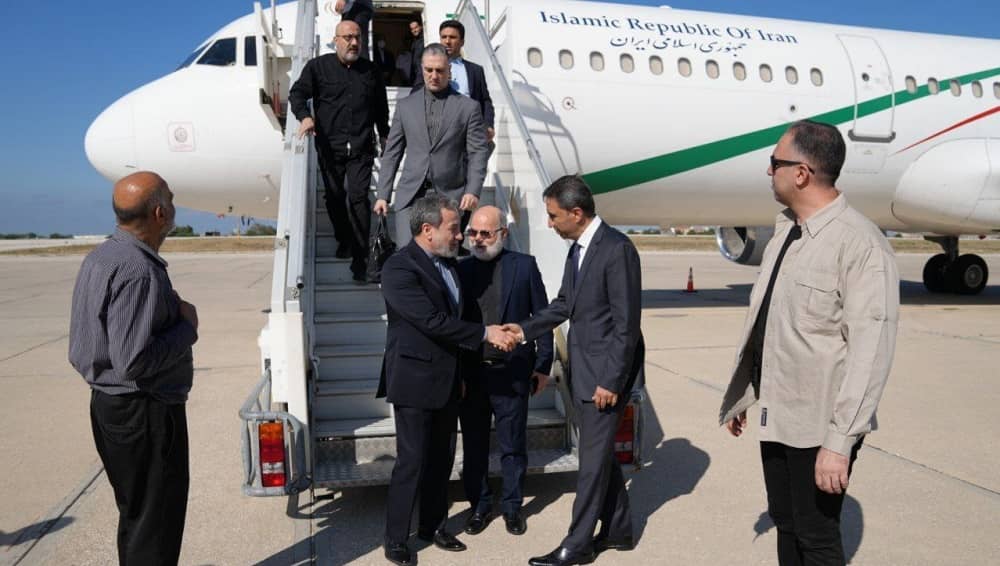
In a frantic attempt to uplift the morale of its proxy forces and mask its deepening vulnerabilities, Tehran dispatched its Foreign Minister, Abbas Araghchi, to Lebanon and Syria this week. This diplomatic mission, though presented as a show of strength, reveals a regime increasingly fearful of its strategic position in the region. Araghchi’s visit comes in the wake of severe military setbacks and diminishing influence over its regional allies, who have grown frustrated by the regime’s inaction and empty promises.
During his visit to Beirut on October 5, Araghchi met with Lebanese Prime Minister Najib Mikati, reaffirming Tehran’s support for Lebanon and its “resistance” movements. While state media highlighted these meetings as evidence of the regime’s continued dominance, the reality is far more complex. Tehran has historically relied heavily on its IRGC Quds Force to manage these relationships, using military figures to signal strength and maintain control. However, Araghchi’s presence—a so-called diplomatic face rather than a military one—suggests that Tehran is keen to project an image of non-aggression, likely fearing that its key figures and proxies are being systematically targeted.
In recent months, the regime’s proxies across the region have faced relentless attacks, leaving them increasingly demoralized and frustrated. Tehran’s responses have been largely rhetorical, offering little tangible support to its embattled allies. This growing dissatisfaction was palpable during Araghchi’s meetings, as many regional actors have felt abandoned by the regime, which has been slow to respond to their needs amid mounting pressure.
Masjedi is the field commander for the Iranian regime &has handled the situation in #Iraq for the past 36yrs. All regime’s proxy groups such as the Badr Brigade &the terrorist Hezb-ol-Dawa &certain Kurdish groups were under Masjedi’s command and on his payroll. pic.twitter.com/0U95WPYgJ5
— NCRI-FAC (@iran_policy) November 15, 2019
The IRGC-affiliated news agency, Tasnim, published a report titled “Araghchi: If Israel Acts Against Iran, We Will Respond More Harshly.” The report initially highlighted the Foreign Minister’s aggressive rhetoric, emphasizing his warnings against Israel. However, towards the end of the article, it subtly shifted tone, quoting Araghchi as saying, “The situation in Lebanon is not normal, so my visit is not a routine one. I have discussed the ceasefire with Lebanese officials and am in contact with other countries. We support efforts in this regard, provided that, first, the rights of the Lebanese people are respected and accepted by the resistance, and second, that it is accompanied by a simultaneous ceasefire in Gaza.”
In Syria, Araghchi met with Bashar al-Assad and Foreign Minister Bassam Sabbagh to discuss regional developments. Syrian media reported that the meetings focused on ceasefire initiatives in Lebanon and Gaza. However, as with the Lebanese leg of Araghchi’s tour, the regime was more focused on damage control than on any real diplomatic breakthroughs. State media, once again, exaggerated the significance of these discussions, reflecting Tehran’s deep fear of losing further ground.
The state-run Afkar News portrayed the comments of the Syrian dictator in a manner meant to emphasize Tehran’s strength and deterrence capabilities. According to the report, the regime’s October 1 attacks against Israel were described as “firm” and “a lesson to the Zionist regime,” showcasing the “ability of the Axis of Resistance to impose deterrence on its enemies.”
Watch a 7 min recap of:
Crisis and War in the #MiddleEast: The Roots and Solutions
Understanding the #Iranian regime’s Goals in the Crisis pic.twitter.com/oikos96Kxu— NCRI-FAC (@iran_policy) January 2, 2024
Tehran’s growing dependence on diplomatic measures rather than military intervention is a clear indication of its deteriorating strategic position. Once the backbone of its regional strategy, Tehran’s proxies now find themselves under both physical and psychological siege. Although Araghchi’s visit might temporarily provide propaganda material for state-run media, the core problems remain unresolved. The regime’s promises ring hollow to its embattled allies, who increasingly view the regime’s pledges as little more than lip service.
This diplomatic mission is an attempt to prevent further fractures within Tehran’s network of regional allies. With its influence fading, Tehran faces the very real prospect of losing control over the groups that have long formed the core of its Middle Eastern strategy. For the regime, this growing dissatisfaction is dangerous; the potential loss of its proxy forces could signal the beginning of a broader collapse of its illusion of regional superiority. Hence, Araghchi’s tour is not about diplomacy but survival. Tehran is trying to buy time, hoping to salvage its unraveling alliances before they fold entirely.