

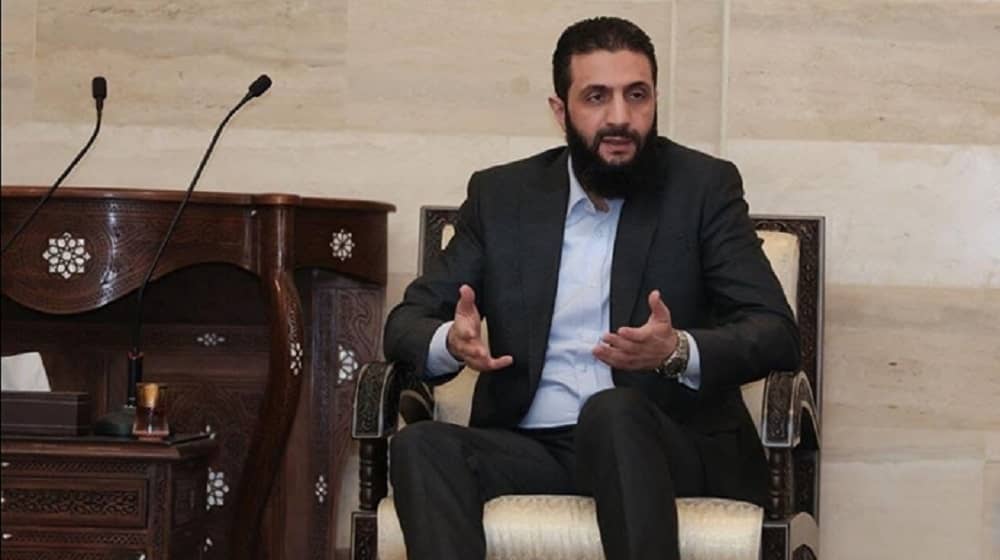
Ahmed Al-Shara, de facto leader of Syria following the fall of Bashar al-Assad, has openly criticized the Iranian regime’s ongoing interference in the region and called for a reevaluation of its policies. In an interview with Al-Arabiya, Al-Shara emphasized that the Syrian people liberated their country and expressed hope for constructive relations with regional and global powers—excluding Tehran if its interventionist agenda persists.
Al-Shara, who previously led Hayat Tahrir al-Sham under the nom de guerre Abu Mohammad al-Julani, reiterated the need for Syria’s independence from foreign meddling. “We did not enter Tehran or southern Lebanon; we entered our own cities and villages,” he stated, signaling a rejection of Iran’s influence. He confirmed that Syrian authorities have closed down Iranian-affiliated bases and offices, fulfilling what he called “the government’s duty.”
Al-Shara further addressed the regime’s Supreme Leader Ali Khamenei’s remarks denying the role of Iranian proxy forces in Syria. Khamenei’s comments, coupled with promises to destabilize the new Syrian government, were described as efforts to sow division and undermine the transitional government in Damascus.
During the interview, Al-Shara underscored strained relations with Tehran, citing its involvement in the Syrian conflict over the past 13 years. “Iran’s actions amount to historical vengeance,” he said, adding that such behavior is unacceptable to the Syrian people.
#Iran News: #Syria TV Exposes Files Revealing Iran’s Infiltration in Syrian Security Forces and Use of Torturehttps://t.co/fzvOoUQBdf
— NCRI-FAC (@iran_policy) December 29, 2024
The transitional Syrian government faces significant challenges, including stabilizing the country and managing tensions with Kurdish forces. Al-Shara announced plans to integrate Kurdish forces into Syria’s defense ministry. He stressed that the government’s priority is fostering security and development.
Amidst these developments, thousands of Iranian-backed forces, including Hezbollah and militias like Fatemiyoun and Zainabiyoun, have withdrawn from Syria. Their departure highlights Tehran’s failure to preserve Assad’s regime, leaving Iran isolated and its influence diminished.
Al-Shara characterized the regime’s policies as deeply harmful, underscoring the Syrian people’s demand for a peaceful and sovereign future. With a government now focused on rebuilding Syria and strengthening regional ties, the Iranian regime’s interventionist strategies face mounting rejection, both domestically and internationally.