

THIS PAGE WILL BE UPDATED WITH THE LATEST NEWS
UPDATE: 7:30 PM CEST
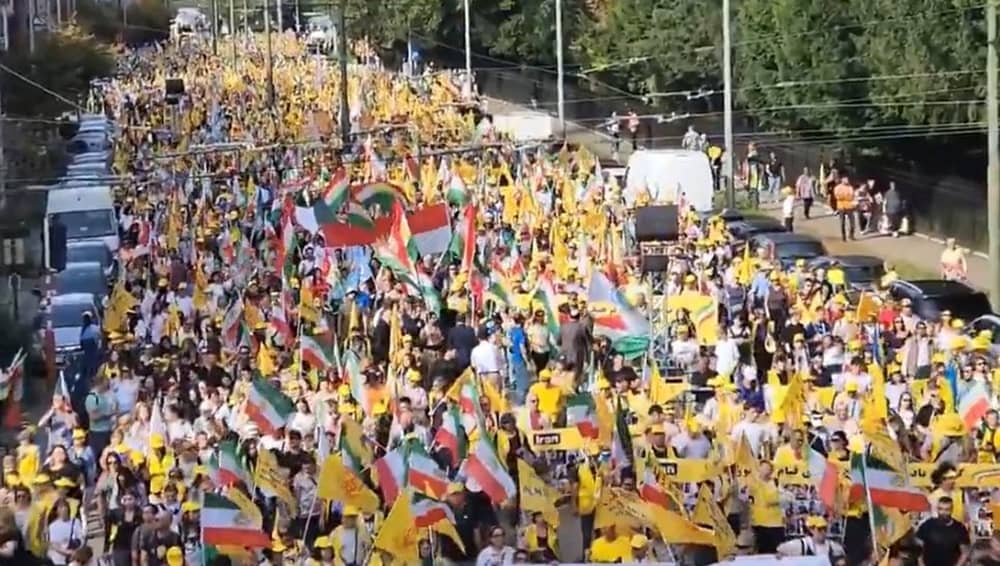
Tens of Thousands of Iranians Demonstrate in Brussels

I recently returned from Brussels, where tens of thousands of Iranians from all over Europe gathered at the Atomium for one of the largest demonstrations in the heart of Europe. Participants shouted in unison: “No to war, no to appeasement — yes to regime change through the will of the people and the organized resistance,” as formulated by Maryam Rajavi, the elected president of the NCRI, in her Third Option.
A significant part of the gathering marked the 60th anniversary of the People’s Mojahedin Organization of Iran (PMOI/MEK) and the NCRI, an organization that has fought bravely and persistently against both the Shah’s dictatorship and the clerical regime. This anniversary was a reminder of the resistance movement’s unwavering struggle for freedom and justice over several decades.
The demonstration turned the Atomium square into a sea of flags, banners, and slogans, with portraits of political prisoners and chants like: “Stop executions in Iran!” and “Activate snapback now!”
A Free, Secular, and Non-Nuclear Iran: The Dream That Begins in Brussels

On Saturday, September 6, Brussels became the beating heart of the Iranian Resistance. Tens of thousands of Iranians from across Europe gathered for a massive demonstration, organized to give voice to those who dream of a free, democratic, and non-nuclear Iran. On stage, alongside Maryam Rajavi, the elected president of the National Council of Resistance of Iran (NCRI), several prominent international figures addressed the crowd: former U.S. Vice President Mike Pence, former U.S. Congressman Patrick Kennedy, former Vice President of the European Parliament Alejo Vidal-Quadras, and former U.K. House of Commons Speaker John Bercow.
All of them strongly reaffirmed a clear message: the Iranian Resistance is the only true, organized, and democratic alternative to the current regime. They expressed hope that the next rally would not be in Brussels, but in Tehran — in a free, secular, and non-nuclear Iran.
UPDATE: 1:30 PM CEST
South Korea Takes Next UN Step in Iran Sanctions Snapback Process
UNITED NATIONS, Sept 8 (Reuters) – South Korea on Monday finalized a draft U.N. Security Council resolution that would permanently lift sanctions on Iran – a move it is required to take as current president of the 15-member body – but a vote has not yet been scheduled, diplomats said.
On August 28 Britain, France and Germany launched a 30-day process to reimpose U.N. sanctions, accusing Tehran of failing to abide by a 2015 deal with world powers that aimed to prevent it from developing a nuclear weapon.
Under that process, known as snapback, the council must now vote by late September on a resolution to permanently lift sanctions on Iran, requiring at least nine votes in favor and no vetoes by the U.S., Russia, China, Britain, or France to pass.
UPDATE: 8:00 AM CEST
Iran Regime’s Secret Execution of Protester Fails to Quell Uprising, Ignites Youth Retaliation
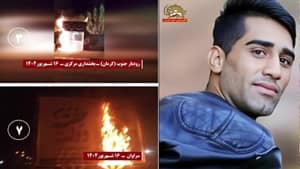
On the morning of Saturday, September 6, 2025, Iranian regime authorities in Isfahan’s Dastgerd prison carried out another judicial murder, hanging Mehran Bahramian, a 32-year-old protester from the city of Semirom. This act was not a display of strength but a desperate attempt by a terrified dictatorship to quell the spirit of the 2022 nationwide uprising. However, instead of instilling fear, this brutal crime has backfired, exposing the regime’s profound weakness and igniting a wave of defiant retaliatory actions by Iran’s rebellious youth, proving once again that the flame of resistance cannot be extinguished.
Kennedy Family Scion, Former Congressman Emerges as Strong Voice Opposing Iran’s Ruling Regime

A leading figure of what is widely considered the United States’ most enduring political dynasty, Patrick Kennedy knows how the levers of power work. Beyond being the son of late Sen. Ted Kennedy and the nephew of former President John F. Kennedy, he was also a Democratic congressman representing Rhode Island for 16 years, before stepping down in 2011.
He has more recently emerged as an outspoken supporter of the People’s Mojahedin Organization of Iran – calling for increased international pressure to isolate Iran’s ruling regime, amid ongoing opposition to its suppression of human rights and freedoms. And he’s also endorsed a 10-point plan by the organization, better known as MEK, for a post-regime transition.
Illiteracy Crisis in Iran
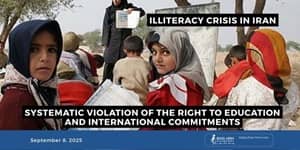
September 8, International Literacy Day, highlights education as a fundamental right and a cornerstone of sustainable development. While this year’s global theme emphasizes promoting literacy in the digital age, Iran continues to face a deep structural failure. Official statistics and admissions reveal that millions of Iranians remain deprived of their most basic right: education. This is not a temporary challenge but a systematic violation of the right to education in Iran by the ruling regime. Ali Bagherzadeh, then-head of the Literacy Movement Organization – October 6, 2018 (14 Mehr 1397): “According to literacy indicators for the age group six and above, the total number of absolute illiterates is 8.8 million… The number of semi-literates is also 10 million.” Seyed Mohammad Javad Abtahi, member of the Parliament’s Education Committee – September 25, 2018 (3 Mehr 1397): “There are about 11 million illiterates in Iran, accounting for 13 percent of the country’s population.”
Khamenei’s Delayed Meeting with Government Highlights Regime’s Crisis
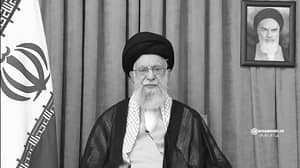
Ali Khamenei, the Supreme Leader of Iran’s clerical regime, met with the cabinet of President Masoud Pezeshkian eight days after the official “Government Week,” in a significant departure from the regime’s longstanding tradition of holding the meeting on August 30. This unusual delay reflects both heightened security concerns and Khamenei’s growing political isolation, raising questions about the erosion of his authority. For decades, the annual late-August meeting between Khamenei and the sitting government was seen as a symbolic affirmation of the regime’s cohesion. This year, however, the gathering was postponed due to “security considerations.” The delay underscores not only the regime’s fear of unrest but also Khamenei’s transformation into a reclusive and increasingly insulated figure.
Iranian Regime Judiciary Resorts to Absurd Fabrications Linking Resistance to Mossad
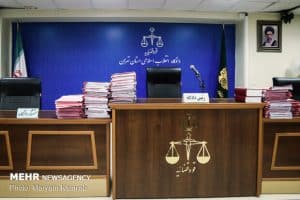
In the aftermath of the massive Iranian opposition rally in Brussels on September 6, which attracted global attention, the Iranian regime’s judiciary hastily staged another propaganda stunt. Officials announced the trial of four supposed “Mossad and MEK agents,” dragging two detainees and even their relatives into court in a clumsy attempt to smear the Iranian Resistance. The absurdity of the claim is evident. The names of those detained had already been provided by the Iranian Resistance to the United Nations and international human rights organizations in May 2025, a full month before the 12-day war broke out. This timeline alone exposes the fabricated nature of the allegations.
Iran’s Methadone Crisis: Profits, Addiction, and a Hidden Epidemic

A child and adolescent psychiatrist has warned that thousands of Iranian doctors have abandoned their medical duties in favor of profiting from methadone sales. Dr. Mohammadreza Mohammadi stated that more than 9,000 doctors are now engaged in prescribing and selling methadone rather than providing psychotherapy, counseling, or lifestyle interventions to patients. He said that weak supervision of addiction treatment centers has allowed methadone to enter the free market, fueling dependency instead of recovery. “This trend perpetuates the cycle of addiction,” Mohammadi explained, noting that users repeatedly return to treatment camps without achieving recovery, while public dissatisfaction continues to grow.
Iran’s Electricity Crisis Pits Industry Against Energy Ministry

The Iranian regime’s failure in providing electricity has set the Ministry of Industry and the Ministry of Energy against each other. Ebrahim Sheikh, deputy minister of Industry, Mining, and Trade of Iran’s regime, criticized the Ministry of Energy’s policies on cutting electricity to industries, saying that despite a sixfold increase in electricity costs for industrialists, the “imbalances” have not been reduced. On Saturday, September 6, Sheikh said in a meeting: “We have serious disagreements with our brothers in the Ministry of Energy, and we have completely lost our trust in this ministry’s policies and do not accept their words.”
Iran’s Regime Parliament to Review Triple-Urgency Bill on Withdrawal from NPT
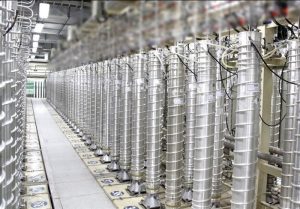
The spokesperson of the Presidium of Iran’s regime Majlis (parliament): The triple-urgency bill on withdrawal from the NPT will be reviewed without delay. Abbas Goudarzi, the spokesperson of the Presidium of Iran’s regime Majlis, said that the report of the National Security Commission regarding proposals and bills on Iran’s withdrawal from the Nuclear Non-Proliferation Treaty (NPT) will be reviewed in the Sunday session of the Majlis. On Sunday, September 6, Goudarzi stated that this bill carries a triple-urgency status and will be placed on the Majlis’ agenda without delay, and if approved, both its general framework and details will be reviewed in the same open session.