

A storm of unrest is sweeping across Iran, revealing a regime whose foundations of repression and neglect are cracking under the weight of popular defiance. From the dark corridors of death row to the nation’s vital oil fields, a clear and unified message is emerging: the Iranian people have been pushed to their breaking point.
Third Day of Strikes by Death-Row Prisoners in Ghezel Hesar
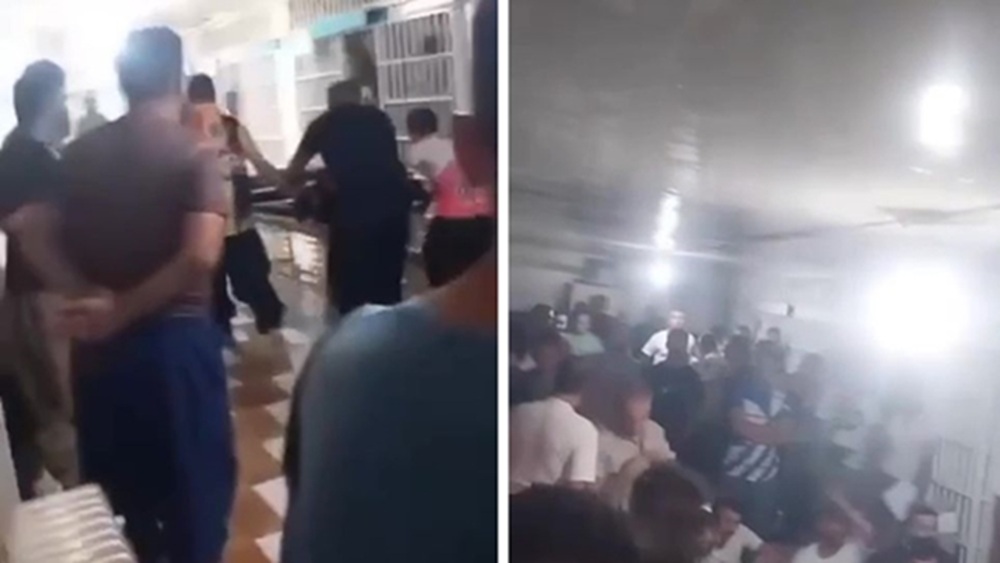
At the heart of this confrontation lies the regime’s escalating use of its ultimate tool of fear: the gallows. With executions reportedly occurring at the horrifying rate of one every three hours, the very prisons designed to silence dissent have become epicenters of resistance. On Monday, October 13, over 1,500 death-row inmates in Ghezel Hesar prison launched a coordinated hunger strike. In a powerful statement, they declared, “Every day and every week, we witness our cellmates being sent to the gallows, and we spend our nights with the nightmare of death… This situation is no longer tolerable for us.”
Message from death-row prisoners on strike in Ghezel Hesar prison's Unit 2 to the United Nations:
"The Islamic Republic is preparing for a massacre here. Help us."#IranProtests pic.twitter.com/gQ49TTrbm0— People's Mojahedin Organization of Iran (PMOI/MEK) (@Mojahedineng) October 15, 2025
The strike continued on October 14 and 15. And According to reports from inside Ghezel Hesar, some of the prisoners are in critical conditions. This act of defiance was amplified by a video smuggled from inside the prison on October 14. A prisoner, speaking directly to the international community, pleaded, “I am speaking to the United Nations. Dear people, a massacre is taking shape here by the Islamic Republic. Please come to our aid… I ask you to share this clip so it reaches Mr. Guterres.” The protest has since spread, with inmates in another unit of the prison joining the strike as part of the “No to Executions Tuesdays” campaign, showing a coordinated effort to challenge the state’s machinery of death.
Unrest in the Oil-Rich Southwest
While the regime wields violence, its gross incompetence is fueling protests across the economic spectrum. In Khuzestan, a nurse’s tearful cry at a meeting with the health minister captured the despair of millions: “I don’t have proper nutrition. How can one live on 13 to 14 million tomans?” Her question highlights a reality that has pushed thousands of her colleagues to emigrate, triggering a catastrophic brain drain in the healthcare sector.
This economic collapse is systemic. On Wednesday, October 15, official employees in the critical Bahregan oil region staged marches to protest the Oil Ministry’s failure to address their wage and living conditions. On the same day, janitors in Chabahar went on strike over five months of unpaid insurance and two months of back wages. In Tehran, Literacy Movement teachers held their second consecutive day of protests, demanding the education minister fulfill employment promises made over a year ago. From essential services to the regime’s economic core, the system is failing its people.
October 15—Ahvaz, southwest Iran
Applicants of the National Housing Project (Phases 1–3, Ostadan) gathered in front of the Khuzestan governor’s office, protesting delays in housing delivery and officials’ indifference to their demands.#IranProtests pic.twitter.com/Uha5badpzP— People's Mojahedin Organization of Iran (PMOI/MEK) (@Mojahedineng) October 15, 2025
This wave of protest is rooted in decades of systemic corruption and broken promises. In Ahvaz, residents from 700 households in the Al-Ghadir district gathered for the tenth time to protest a staggering 20 years of government inaction. They still lack basic necessities like paved roads, sewage systems, schools, and reliable utilities. Also in Ahvaz, applicants for the regime’s National Housing Plan protested again, their dreams of owning a home lost in a bureaucratic limbo of endless delays and official indifference.
From the prisoners on death row crying for their lives to the nurses who can no longer afford to live, the teachers denied their jobs, and the citizens deprived of basic dignity, every segment of Iranian society is speaking with one voice. The regime is trapped in a fatal paradox: its primary tool of control—execution—is fueling defiance, while its economic incompetence is igniting protests that it cannot afford to quell. The cries of “No to Execution” from inside prison walls and the demands for a living wage on the streets are not separate issues. They are the Iranian people’s unified and inescapable verdict on a regime that has proven it can offer neither life nor livelihood.