

THIS PAGE WILL BE UPDATED WITH THE LATEST NEWS
UPDATE: 08:00 AM CET
Political Prisoner Ehsan Rostami Faces Execution as Iran’s Regime Ramps Up Crackdown on Dissidents

The Iranian regime’s judiciary has formally charged 36-year-old sociologist and publisher Ehsan Rostami with “Baghi” (rebellion), a charge that carries the death penalty, marking a dangerous escalation in Tehran’s war against political dissent. On December 10, 2025, the fifth branch of the Evin Prosecutor’s Office issued the indictment, accusing Rostami of collaboration with the People’s Mojahedin Organization of Iran (PMOI/MEK). Following the hearing, authorities transferred him to solitary confinement, raising urgent concerns about his imminent execution. Rostami, a graduate of Allameh Tabatabaei University and director of Samandar Publishing, is a recognized cultural figure active in philosophy and socio-political movements. He was arrested on August 20, 2025, alongside his cousin Ramin Rostami, during raids in Tehran.
MEK Supporters in Italy Mark 100th “No to Execution Tuesdays” and Call for End to Executions

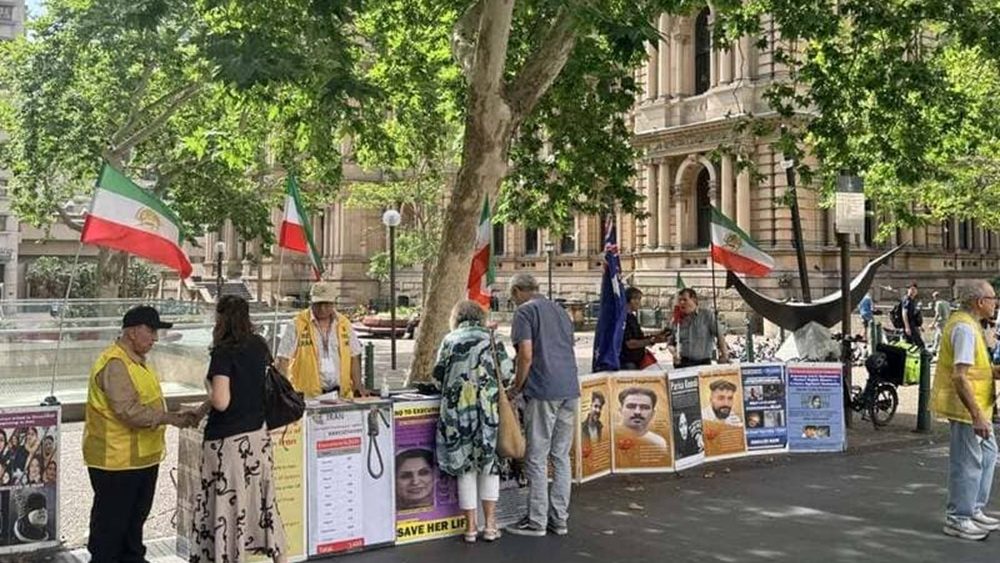
Italy – December 23, 2025 – Supporters of the People’s Mojahedin Organization of Iran (PMOI/MEK) marked the 100th consecutive week of “No to Execution Tuesdays” campaign, which highlights the situation in 55 prisons across Iran. They gathered holding images of political prisoners facing imminent execution and protested the Iranian regime’s escalating wave of executions and systematic repression.
Iranians in Gothenburg Mark 100 Weeks of “No to Execution Tuesdays” Campaign in Iran

Gothenburg, Sweden – December 23, 2025 – Supporters of the People’s Mojahedin Organization of Iran (PMOI/MEK) gathered in Gothenburg to mark the 65th consecutive week of local participation in the global “No to Execution Tuesdays” campaign. The movement protests the Iranian regime’s escalating wave of executions and systematic repression.
Arak Central Prison: A Structural Pattern of Human Rights Violations
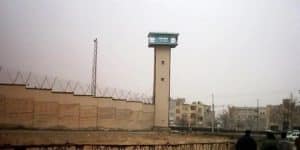
Arak Central Prison is one of the principal detention facilities in Iran’s Markazi Province and plays a central role in the regional judicial and enforcement system. However, consistent field reports and testimonies from released prisoners indicate that conditions in this prison go beyond isolated administrative failures and reflect a structural pattern of human rights violations. This report is based on corroborated field information, testimonies of released detainees, and human rights analysis. It does not claim any official mandate, but aims to provide accurate and reliable documentation suitable for international human rights audiences. Arak Central Prison is located in the northern part of the city of Arak, along Nedamatgah Street. The complex is surrounded by high concrete walls, multiple layers of barbed wire, guard towers positioned at regular intervals, and permanent surveillance systems.
About 4,000 Iranian Children with Autism Have Abandoned Treatment Due To Financial Difficulties
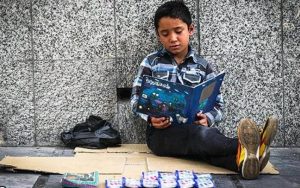
Saeedeh Saleh-Ghaffari, the CEO of the Iran Autism Association, announced that about four thousand children with autism in the country have halted their treatment process due to families’ financial inability and the lack of effective insurance coverage for treatment and rehabilitation costs. She added that about five thousand children are also not receiving rehabilitation services. On Wednesday, December 24, Saleh-Ghaffari, in a meeting criticizing the performance of insurance companies, said that many families with autistic children are forced to personally pay all the heavy costs of treatment and rehabilitation, because insurance providers do not fully and consistently cover these services.
Iran’s Regime Shifts Budget Burden to the Public as Fuel Hikes Loom and Hezbollah Funding Continues

New plans for quarterly gasoline price increases emerge amid reports of nearly $1 billion in fresh financial support from Iran’s regime to Hezbollah. As reports emerge of Iran’s regime agreeing to provide nearly $1 billion in new financial assistance to Hezbollah in Lebanon, fresh evidence suggests that the cost of chronic budget deficits and costly foreign interventions is once again being transferred directly onto the shoulders of the Iranian public. At a time when Iran’s economy is grappling with runaway inflation, a historic collapse of the national currency, and the rapid expansion of poverty, Iran’s regime is moving forward with a mechanism described as a “seasonal gasoline price increase.” The policy would allow fuel prices to rise every three months, delivering repeated shocks to household livelihoods.