

THIS PAGE WILL BE UPDATED WITH THE LATEST NEWS
UPDATE: 9:00 AM CEST
PMOI Resistance Units in Zahedan Defy the Regime’s Wave of Executions
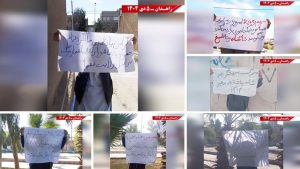
On May 29, PMOI Resistance Units in the southeastern city of Zahedan carried out a courageous campaign of anti-regime activities. Amid a growing wave of state-sponsored executions and violence against dissidents, these activists took to public spaces to reject all forms of dictatorship, whether religious or monarchical.
The Resistance Units held placards displaying powerful messages that highlight the unwavering spirit of the Iranian people. Among the messages displayed in Zahedan were declarations that “the real battle against the ruling regime is taking place today in the ongoing uprisings of the Iranian people and the operations of the Resistance Units.”
These activities in Zahedan serve as a direct defiance of the regime’s brutal use of capital punishment to mask its desperate domestic crises. The judiciary intends to carry out a bloody purge of the prisons. In recent weeks, the regime hanged eight members of the People’s Mojahedin Organization of Iran (PMOI/MEK), who were part of the Resistance Units.
Ali Younesi Defines His Political Position in Prison Statement
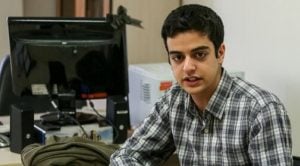
In a statement released from Ghezel Hesar Prison on May 26, imprisoned elite student Ali Younesi responded misuse of his image by remnants of the Shah’s regime; and reaffirmed his political views on dictatorship, democracy, and Iran’s future.
“In recent days, I and my statement have been supported by some of the creators and users of the slogan ‘Death to the Three Corrupt……’ It seems that after receiving the Leader’s pardon, I have now also received a royal pardon!”
Younesi referrers to the slogan used by supporters of Reza Pahlavi at their rallies abroad, which is: Death to the three corrupts, mullahs, Mojahedin (PMOI) and leftist.
Younesi then turned to the issue of political prisoners and those executed in recent months. Identifying himself as a supporter of the People’s Mojahedin Organization of Iran (PMOI/MEK), he wrote: “As a small supporter of the PMOI, I have my role models: six proud cellmates who were sent to the gallows.”
Iran: Intensifying Pressure on Families of PMOI Members and Political Prisoners
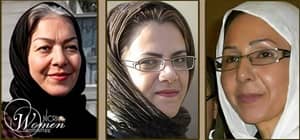
Amid escalating crackdowns and the continued repression of political dissent, the Iranian Intelligence Ministry has stepped up the summoning and interrogation of families of PMOI supporters and political prisoners.
On May 24, the Ministry of Intelligence summoned the family of Marzieh Farsi, a political prisoner held in Evin Prison and subjected them to several hours of interrogation. According to informed sources, family members were threatened, insulted, and placed under significant psychological pressure during questioning. Interrogators warned them against maintaining contact or associating with other families of political prisoners, as well as with members or supporters of the People’s Mojahedin Organization of Iran (PMOI/MEK).
Over the past two weeks, several other families of political prisoners and PMOI supporters have also been summoned and interrogated by the Ministry of Intelligence. Those targeted include the families of former political prisoners Sedigheh Moradi and Azar Korvandi, and the family of Akbar Daneshvarkar, a PMOI member who was executed in late March.
How Internet Blackout in Iran Forces Women into Structural Poverty

The internet blackout in Iran—which is now entering a phase of drip-fed restoration after nearly three months of absolute blockage—has dealt a devastating blow to society, alongside the economic aftershocks of the recent forty-day war. Although access has been partially restored, the imposition of severe filtering on messaging apps and unprecedented restrictions on app stores compared to the past demonstrate just how fragile and controlled this reopening is.
Beyond its security dimensions, this digital darkness, which intensified since February/March 2026 (Esfand 1404), has effectively functioned as an economic and gender-based tool of suppression against women; a policy that severed the vital lifelines of the “parallel labor market” that hundreds of thousands of Iranian women had built for themselves to escape the formal and discriminatory market. The outcome of this three-month blockage has been the deliberate suppression of women’s financial independence and social agency, particularly in marginalized and border regions.
Iran’s Regime Is Not Stable—It Is Surviving on Borrowed Time

One of the most frequently asked questions about Iran today is deceptively simple: if the Iranian regime has endured economic collapse, regional conflicts, nationwide uprisings, international isolation, and growing public anger, why is it still in power?
For some observers, the answer is proof of the regime’s resilience. They argue that a government that has survived so many crises must possess extraordinary durability. Yet this interpretation overlooks a crucial distinction: survival is not the same as stability.
The regime’s longevity has been shaped not only by its own instruments of control but also by a series of political and international developments that repeatedly extended its lifespan. Western appeasement policies, regional conflicts, shifting geopolitical priorities, and the absence of a coordinated international approach toward Tehran have all contributed, directly or indirectly, to the regime’s ability to weather crises that might otherwise have proven fatal.
Iran’s Economy Enters a New Phase of Collapse: Poverty, Unemployment, and a Growing Social Time Bomb

Iran’s crisis-ridden economy has entered a new and more dangerous phase—one that can no longer be managed through temporary fixes, monetary manipulation, or short-term government interventions. Warnings from economists and policy experts paint a bleak picture in which absolute poverty, chronic unemployment, and collapsing revenues threaten the livelihoods of millions of Iranians.
The latest assessments suggest that the country’s economic decline is not simply the result of recent military tensions or external pressures. Rather, these developments have accelerated structural weaknesses that have accumulated over decades of mismanagement, corruption, and failed economic policies.
According to discussions presented at a conference organized by Donya-e-Eqtesad on May 23, 2026, four economists and social policy researchers examined the state of Iran’s labor market, poverty trends, investment climate, and the future of household welfare. Their findings reveal an economy approaching a critical breaking point.
Workers At Iran’s Makran Steel Face Nine Months of Unpaid Wages
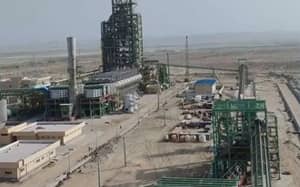
The ongoing crisis of unpaid workers’ wages in contracted projects has once again made headlines at Makran Steel in Chabahar. A number of workers at the company say they have not received any wages for nine months and are enduring difficult conditions without legal support or transparent responses from management. This situation has placed a heavy burden on workers’ families and pushed many to the brink of economic collapse.
According to a report published by local media outlets in the region on Thursday, May 28, a group of workers at Makran Steel in Chabahar reported that their outstanding wages remain unpaid. The company operates across from the fuel station on the Konarak Road along the Chabahar route and is active in the electrical sector. The project’s contractor has been identified as Savan Sanat Company.
The workers say their wages have not been paid since last July. They have repeatedly contacted company officials and followed up on their claims but have received no results. According to the workers, project managers have offered only repeated promises and have continuously postponed wage payments.
Digital Trap: Iran Uses Selective Internet Restoration to Track and Arrest January Protesters
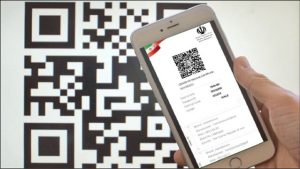
As international internet access gradually returns to Iran, digital rights activists and cybersecurity researchers say the process has become a security tool for identifying, tracking, and arresting participants in the January protests.
The gradual and carefully engineered restoration of international internet access in Iran has become an active security instrument for identifying, tracking, and arresting January protest protesters. Iranian security agencies, working in coordination with telecommunications operators, are carrying out a broad operation to detain activists through the systematic blocking of two-factor authentication (2FA) codes and monitoring users’ previous digital footprints.
Technical reports from human rights networks and cybersecurity experts indicate that the biggest challenge facing users after internet access was restored is the inability to receive verification code text messages from international platforms such as Google, Instagram, Telegram, and WhatsApp.