

Three-minute read
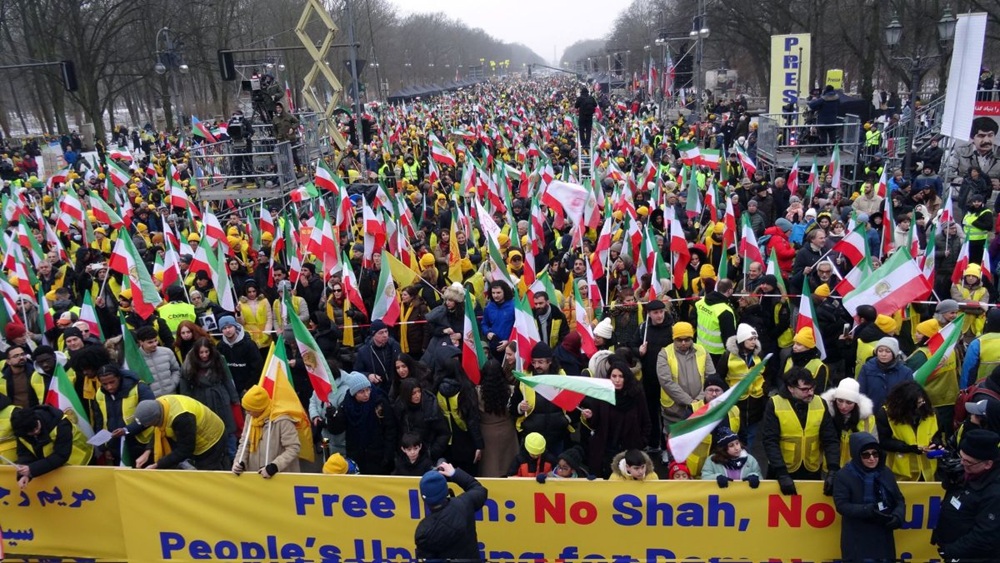
On June 20, 2026, tens of thousands of Iranians and their international allies will converge on Paris— the latest in an annual tradition timed to the anniversary of a 1981 crackdown that became the original fault line between theocratic tyranny and popular resistance in Iran. Inside the diaspora, the date carries the weight that Bastille Day carries in France: a founding act of defiance whose meaning renews itself every year. But framing Paris as a purely Iranian affair would be a serious analytical error. The clerical regime’s accelerating downfall is not a spectator event for the West. It is a detonation with a blast radius that reaches every capital.
Start with terrorism, the regime’s oldest export. The Iranian regime remains the world’s leading state sponsor of terrorism, a designation it has held without interruption since 1984. Its proxies — Hezbollah, the Houthis, a constellation of Iraqi Shia militias. The regime does not fund proxies out of ideological charity. It funds them because the day they stop being useful is the day the theocracy stands alone, naked before its own people’s fury. Paris on June 20 is a declaration by those people that the day is coming.
Hostage diplomacy deserves its own indictment. Tehran has perfected the art of seizing foreign nationals — dual citizens, aid workers, journalists, academics — and converting their bodies into bargaining chips.
We support #100KFreeIranRally to stand with the Iranian people and support a free, democratic, and non-nuclear republic. @Maryam_Rajavi pic.twitter.com/PABE1gJgia
— OIAC: Organization of Iranian American Communities (@OrgIAC) June 4, 2026
The pattern is mechanical: arrest, solitary confinement, a sham trial, then years of agonizing “negotiation” in which democratic governments are forced to choose between ransoming their citizens and rewarding extortion. This is not diplomacy. It is state-sponsored kidnapping conducted under sovereign immunity, and it will continue for as long as the regime that practices it survives.
And here is the dimension that should unsettle strategists most: Iran’s model is contagious. When a pariah state demonstrates that hostage-taking works, that nuclear brinkmanship buys time, that proxy warfare deters retaliation, and that domestic repression can be sustained indefinitely without meaningful consequence, other regimes take notes. The longer this regime endures, the thicker the playbook becomes for every autocrat calculating the cost-benefit ratio of defiance.
Meanwhile, inside Iran, the human rights situation has crossed from chronic abuse into something closer to systematic warfare against the population. The judiciary recently announced the targeting of over three thousand citizens for “cooperating with the enemy,” thousands detained, assets confiscated across multiple provinces. Executions continue at a pace that leads the world per capita. University students protest because their cafeterias have been shut down; faculty suspend classes because their salaries cannot cover rent. The poverty line has surpassed seventy million tomans. Inflation hit sixty percent in May. Women are beaten in Baluchestan for opposing mining on ancestral lands. The regime’s own economists now recommend reporting prices every fifteen days because the government has lost control of them. This is not a country experiencing a rough patch. It is a society being crushed by the apparatus that claims to govern it.
Growing International Support from Parliamentarians and Distinguished Figures for the #ParisFreeIranRally – June 20, Place Vauban, Paris 7 #100KFreeIranRally #StopExecutionsInIran #No2ShahNo2Mullahs pic.twitter.com/vbA8V6y1tq
— Iran Freedom (@4FreedominIran) June 9, 2026
The organized Iranian Resistance — the same coalition staging the Paris rally — has offered an alternative vision: Maryam Rajavi’s Ten-Point Plan for a secular, democratic, non-nuclear republic committed to gender equality, minority rights, abolition of the death penalty, and peaceful coexistence.
June 20 in Paris is not a nostalgic diaspora ritual. It is a living referendum — conducted in the open, under the flags of a democratic alternative — on whether the world’s most dangerous theocracy should be allowed to stumble into its next catastrophe unchallenged. The Iranians marching through Paris — already know their answer. The question is whether the world understands what is at stake.