

THIS PAGE WILL BE UPDATED WITH THE LATEST NEWS
UPDATE: 7:00 AM CEST
Iran’s Regime Intensifies Pressure on Political Prisoners as Regime Fears Renewed Unrest
The Iranian regime has intensified pressure on prisoners across the country, imposing harsher conditions, restrictions and punitive measures, with political prisoners facing particular pressure.
In a September 11 statement, the National Council of Resistance of Iran (NCRI) reported worsening conditions in prisons in Qom, Urmia, Tehran and Mashhad, ranging from disease and inadequate food to raids, restrictions on visits and confiscation of prisoners’ belongings. A day earlier, the NCRI warned about the sudden transfer of political prisoner Parisa Kamali from Yazd to Bandar Abbas Prison.
The measures come against the backdrop of continued pressure on political prisoners who have challenged the regime from behind bars, including Kamali and death-row prisoner Mohammad Javad Vafaei Sani.
The reports point to a pattern that extends across several prisons. At Qom Central Prison, inmates are facing severe environmental pollution, infestations of bedbugs, lice and vermin, and hundreds of cases of skin and infectious diseases. Influenza and COVID-19 have also spread while already meager food rations have been further reduced.
Four Years After Mahsa Amini’s Death, Iran’s Regime Revives the Hijab Crackdown

Four years after the death of 22-year-old Mahsa Amini in the custody of Iran’s morality police, the regime is once again intensifying efforts to enforce compulsory veiling.
Reports from several Iranian cities indicate that morality-patrol vans, plainclothes forces, surveillance operations, and street-level interventions targeting women have returned with renewed intensity. The developments come as the fourth anniversary of Amini’s death approaches, underscoring a central problem that has confronted the regime since the nationwide uprising of 2022: despite repression, it has failed to restore the social conditions that existed before September 2022.
Amini, a young woman from Saqqez in Kurdistan Province, was visiting Tehran with her family when she was detained on September 13, 2022, over her alleged failure to comply with compulsory hijab rules. She was transferred to the morality police facility on Vozara Street and later taken to Kasra Hospital in critical condition. Her death on September 16 triggered nationwide outrage.
What followed was one of the most significant challenges to the regime in decades. Women and men took to the streets across Iran, while women increasingly rejected compulsory veiling as an act of civil disobedience. Even after the regime’s violent suppression of the uprising, millions of women continued appearing in public without the mandated head covering.
As Iran’s Regime Heads to the UN, Iranians Prepare to Challenge Its Claim to Represent Them
As representatives of Iran’s regime prepare to take their place at the United Nations General Assembly in New York on September 22 and 23, Iranian opponents are preparing to gather outside the UN headquarters with a fundamentally different message: the regime does not represent the Iranian people.
The annual demonstration in New York has become a recurring point of confrontation between the regime’s diplomatic presence and Iranian dissidents seeking to bring the voices of those inside Iran to the international community.
This year, the demonstration carries particular significance. The organizers are not simply protesting the presence of a government delegation. They are challenging the idea that a regime responsible for decades of executions, imprisonment, repression, and violence can present itself at the United Nations as the legitimate voice of Iran.
For decades, the Iranian regime has used international forums to portray itself as the representative of the Iranian people while suppressing dissent at home.
Iran’s Cost-of-Living Crisis Is Erasing the Middle Class

Iran’s economic crisis is no longer measured simply by how much prices have increased. Its deeper impact can be seen in what Iranian families are no longer able to buy.
Meat is disappearing from household diets. Purchases of dairy products, sweets, legumes, vegetables, and other basic foods are declining. Homeownership has become unattainable for millions of wage earners, while the cost of preparing for the birth of a child can reach hundreds of millions of tomans.
At the same time, the Iranian currency continues to lose value. The U.S. dollar recently surpassed 237,000 tomans, adding another layer of pressure to an economy heavily dependent on imported raw materials and consumer goods.
The result is a widening gap between income and the actual cost of living. Workers may still have jobs, but increasing numbers are becoming working poor—people who earn a wage yet cannot afford what was once considered a normal standard of living.
Iran’s Medicine Crisis: Rising Costs and Shortages Put Treatment Out of Reach

For millions of Iranians, getting sick has become a financial crisis.
The cost of a medical consultation, laboratory tests, and prescription drugs can now consume a substantial share of a low-income household’s monthly earnings. As medicine prices continue to rise and shortages affect pharmacies across the country, many patients are delaying medical visits, reducing their medication intake, searching for cheaper alternatives, or resorting to self-treatment. For people with chronic, serious, or specialized illnesses, the consequences can be far more dangerous.
Recent accounts from residents of Tehran and other cities illustrate how rapidly healthcare costs have escalated. A simple case of flu or a respiratory infection can reportedly cost around 2 million tomans once the doctor’s consultation and prescription are included. For households already struggling with rent, food, utilities, and other basic expenses, even such an apparently minor illness can become unaffordable.
One woman in southern Tehran recently reported paying 750,000 tomans for a general-practitioner consultation. The medicines prescribed for her cold—including ibuprofen, codeine, acetaminophen, and amoxicillin—cost another 540,000 to 810,000 tomans depending on the quantities purchased. Her total bill therefore exceeded 2 million tomans.
And these figures come from a relatively less expensive part of Tehran. Residents say prices can be significantly higher in central and northern districts, while the lack of effective oversight has produced considerable differences between doctors and medical centers.
Projectile Hits Iranian Regime Vessel in Strait of Hormuz; One Dead, Four Injured
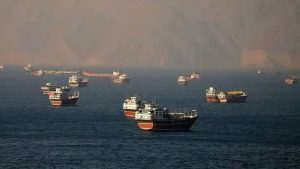
An Iranian regime commercial vessel was struck by a projectile early Sunday, September 13, in the Strait of Hormuz, near Hengam Island and the Shib Deraz coast of Qeshm Island. According to the latest reports, the incident left at least one person dead and four injured.
The United Kingdom Maritime Trade Operations (UKMTO), which monitors maritime security incidents, stated in Alert 134-26 that it had received a confirmed report of an unidentified projectile striking a vessel transiting the Strait of Hormuz. In its initial report, the organization did not identify the perpetrator, provide details about the crew’s condition, or specify the extent of the damage to the vessel.
Reports published from Iran several hours later said that the targeted vessel was an Iranian regime commercial ship and that the incident occurred at around 5 a.m. in waters near Hengam Island and the Shib Deraz coast of Qeshm Island. Initial reports put the number of injured at three, but subsequent reports said four people had been injured.
Transfer of 30 Political Prisoners to Southeastern Iran
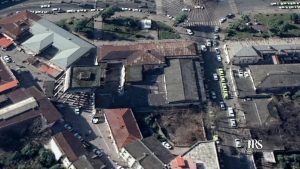
Information provided to Iran Human Rights Society by a prisoner held in Zahedan Prison reveals new details about the secret transfer of approximately 30 political prisoners from Tehran to this facility and the harsh conditions under which they are being held. To prevent pressure being placed on the source or a case being opened against him, all identifying details that could lead to his identification have been removed.
According to this information, approximately 30 political prisoners were transferred from Tehran to Zahedan Central Prison during the 40-day war. Following their transfer, they were placed in separate cells and sections, and ordinary prisoners have so far been unable to see or communicate with them directly.
Prisoners held in the general wards have been told that those transferred were arrested for their alleged role in directing the nationwide protests of January 2026. However, no official information has been published about their identities, charges, the authority that ordered the transfer, their previous places of detention, or the status of their cases.
PMOI Supporters in Heidelberg Condemn Executions and Call for the Release of Political Prisoners
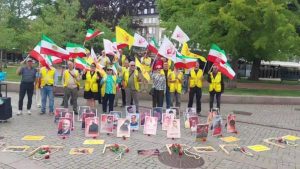
Heidelberg, Germany – September 12, 2026 – Supporters of the People’s Mojahedin Organization of Iran (PMOI/MEK) held a rally and photo exhibition in Heidelberg to protest the Iranian regime’s continued use of the death penalty and draw international attention to the plight of political prisoners and protesters facing execution. They also commemorated the 61st anniversary of the founding of the PMOI/MEK.
1-#Heidelberg – 12 Sept 2026: MEK supporters held a gathering & photo exhibition against the mullahs' regime's brutal executions of protesters and political prisoners, calling for their release & declaring support for the PMOI/MEK.#StopExecutionsInIran #FreePoliticalPrisoners pic.twitter.com/mh0uLfSeWE
— Iran Freedom (@4FreedominIran) September 13, 2026
Participants called for immediate and decisive international action to save the lives of political prisoners and protesters arrested during recent protests who are facing execution. They urged the international community to act swiftly to prevent further executions and to exert effective pressure on the Iranian regime to halt the use of the death penalty as an instrument of repression.
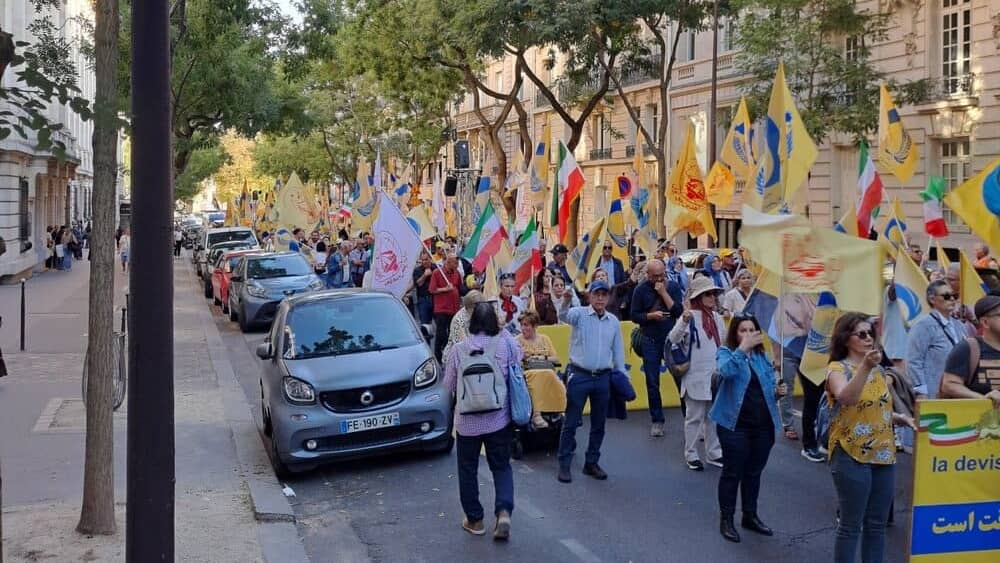
Iranian Resistance Supporters Rally in Paris Ahead of Fourth Anniversary of 2022 Nationwide Uprising
Paris, September 12, 2026 — Supporters of the Iranian Resistance and members of the Iranian community gathered in Paris to commemorate the 2022 nationwide uprising in Iran, ahead of the fourth anniversary of the historic protests.
Four years after the September 2022 uprising, the message of “Women, Resistance, Freedom” continues to resonate with determination. Demonstrators marched through Paris to reaffirm their support for the Iranian people’s struggle for freedom and their determination to bring about fundamental democratic change in Iran.

Alongside the march, a photo exhibition honoring protesters who lost their lives during the 2022 uprising was held, paying tribute to those who gave their lives in the struggle for freedom and keeping their memory and aspirations alive.