
Three-minute read
Iran’s ruling establishment is confronting a deepening domestic crisis as newly released official statistics show consumer prices rising 88.7% year-on-year, labor officials warn of up to 1.4 million additional job losses, and the National Gas Company acknowledges that 11 provinces could face winter gas restrictions. Simultaneously, new judicial actions against cultural figures and journalists underscore the continuing use of security-related prosecutions.
According to figures released by the Statistical Center of Iran, year-on-year inflation reached 88.7% in October, while average annual inflation climbed to 76.8%. Cooking oils and fats increased 255% over the previous year, and milk, cheese and eggs rose 154%. Rural inflation reached 107%, compared with 85.5% in urban areas. These state-produced figures reveal particularly severe pressure on rural households.
The inflation disclosure follows an October 27 warning by Labor Ministry Deputy Malek Hosseini. Speaking to ILNA, he disclosed that 1.15 million people had left compulsory employment-insurance coverage between late March and late August, with only 300,000 entering unemployment-benefit coverage. Hosseini warned that another 1.2 million to 1.4 million jobs could disappear by March 2027 if the recession continues. Leaving insurance coverage does not necessarily mean becoming unemployed, but the figures suggest substantial erosion of formal employment protections.
The Iranian regime’s #economy minister was formally rebuked by parliament as point-to-point inflation nears 90%, negative growth and a 270,000-toman dollar threaten instability, while food and bread prices are rising, wheat farmers remain unpaid and stocks are falling sharply.…
— NCRI-FAC (@iran_policy) October 27, 2026
Economic Pressure Reaches Parliament and Industry
The economic deterioration has intensified parliamentary scrutiny of Masoud Pezeshkian’s administration. On October 27, lawmakers issued Economy Minister Ali Madanizadeh a formal warning after rejecting his explanations of economic conditions. Madanizadeh tried to explain the hardship facing households and acknowledged that workers, pensioners and salaried employees, acknowledging their suffering disproportionately. The exchange highlighted mounting institutional pressure without establishing that lawmakers have agreed on an alternative economic strategy.
A separate warning emerged from the energy sector. National Gas Company official Houshang Seydali told ISNA on October 28 that approximately 130 million cubic meters of daily gas-production capacity remained unavailable following damage to processing facilities. He identified 11 provinces as potentially vulnerable to winter restrictions, particularly North Khorasan, Mazandaran and Golestan. He said industries have been urged to prepare alternative fuels. Seydali acknowledged that earlier failures to diversify energy use had compounded the current shortage.
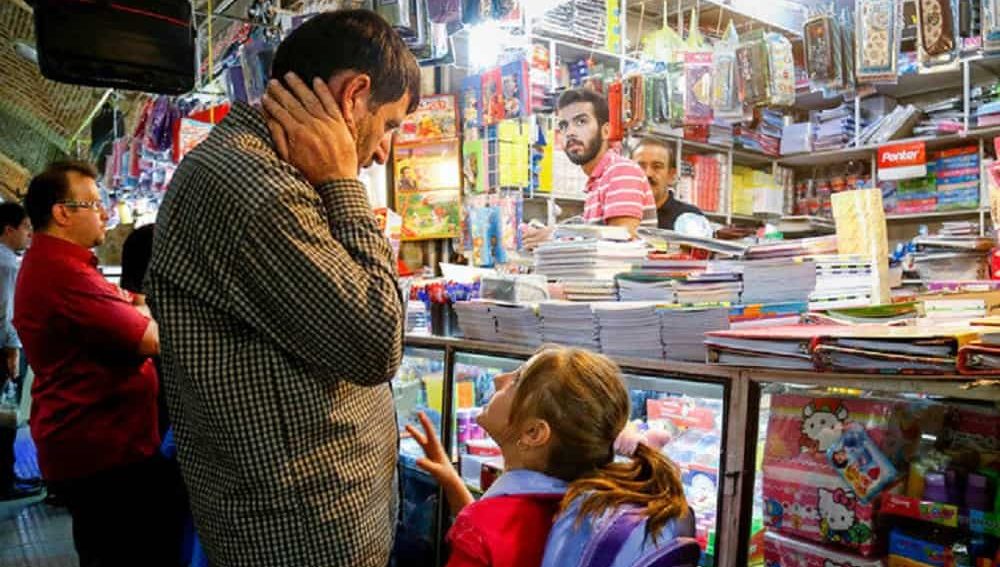
Households are experiencing the pressure through essential purchases. Domestic reports describe the regulated price of industrial bread rising from 23,800 to 60,000 tomans following changes to flour subsidies. The newspaper Hammihan also drew attention to rising chicken prices and the shrinking affordability of basic proteins. Such developments are especially consequential alongside declining employment security.
Iran is turning social pressure into a security problem: retirees protested in several cities while parliament advances “cognitive #security governance,” lawmakers insist the communications backbone remain under state control for crises, #internet shutdowns remain an option, and…
— NCRI-FAC (@iran_policy) October 25, 2026
Judicial Pressure and Armed Violence
The authorities have continued targeting labor activists and individuals associated with earlier protests. On October 27, security forces arrested a mathematics teacher and trade-union activist, after entering her home in Shiraz. According to the Fars Teachers’ Trade Association, she was transferred to Adelabad Prison, while the charges against her remain undisclosed. Two days earlier, Revolutionary Guard intelligence agents arrested a protester in Qazvin. He had suffered an eye injury during the 2022 nationwide protests and had previously been sentenced to three years and six months in prison. His whereabouts and the reasons for his latest detention remain unknown. The cases highlight continued security pressure on labor organizers and participants in earlier protest movements.
The authorities also confirmed the fatal shooting of Jonqan’s mayor in Chaharmahal and Bakhtiari province on October 28. Deputy Governor Abdolali Arzhang said the mayor had been killed by gunfire, but claimed that preliminary assessments indicated the incident was not security-related. Security forces have claimed they launched an investigation, while the perpetrators and motive remained unidentified.
In southeastern Iran, Nour News confirmed that two armed individuals fired toward a police emergency-unit facility in Khash on October 27 before escaping. Local reports described more extensive gunfire, but authorities did not confirm casualties.
Pezeshkian now says Iran cannot even plan under its permanent “neither war nor peace” crisis. State media simultaneously reports wages far below living costs, €4.07bn unpaid to food importers, 297,000 people cut from subsidies, 40% telecom price hikes and weakening #oil…
— NCRI-FAC (@iran_policy) October 24, 2026
Hardline Disagreements Over Strategic Priorities
The ruling establishment is also displaying disagreements over regional security policy. In an October 27 Kayhan editorial, Hossein Shariatmadari questioned whether Tehran’s consultations with Saudi Arabia, Pakistan and Turkey could undermine its relationship with the Houthis in Yemen. The Paydari-aligned newspaper Nobonyad similarly warned that regional diplomatic arrangements could repeat earlier experiences in Syria that it regarded as damaging to Tehran’s influence.
These interventions reveal growing anxiety within the regime’s hardline factions that regional diplomatic arrangements could force Tehran into a strategic retreat, eroding its remaining regional leverage and undermining morale among its loyalist base. For these factions, concessions abroad risk projecting weakness at home precisely when deepening economic hardship and social discontent are heightening fears of another nationwide uprising.