

Three-minute read
Iran’s ruling establishment is confronting fresh domestic pressure as a deadly security operation in Mehran, another state-approved tariff increase and new evidence of collapsing purchasing power expose strains on both the state and ordinary Iranians. In western Iran, authorities acknowledged that a security suspect was killed after detonating a grenade during an attempted arrest, wounding two judicial officers. Opposition and rights sources identified him as Mojtaba Babakhani, a dissident reportedly pursued since the January uprising.
The developments are unfolding in an increasingly explosive domestic climate, with the January uprising still shaping the regime’s security calculations as worsening economic pressure rebuilds the conditions for renewed unrest.
Armed Confrontation in Mehran
In Mehran, Ilam Province, authorities said judicial officers went to a residence in Eslamieh township to arrest two armed “security suspects.” Mehran governor Heidar Nemati said one escaped while the other was detained. According to the official account, the arrested man then detonated a grenade as officers attempted to place him in their vehicle, killing himself and injuring both officers. State television subsequently stressed that “security and calm” had been restored in the area.
Iran's #fuel hike takes effect: station-card gasoline doubles to 10,000 tomans/liter. Pumps lack 5-digit displays; queues form. Ahvaz rail worker self-immolates after 5 months unpaid wages and dismissal. Two Basij killed in Sistan-Baluchistan. Despair and strains deepen.
by…— NCRI-FAC (@iran_policy) September 8, 2026
Mehr reported the incident from the governor without identifying the dead man. Babakhani had been pursued since the January 2026 uprising; domestic state media have confirmed the confrontation but refused to establish that connection.
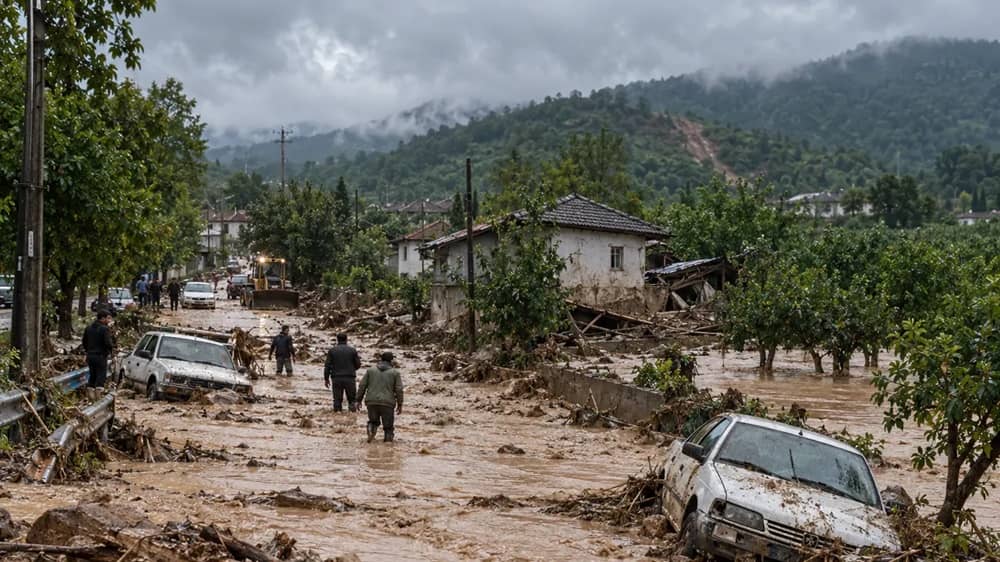
Elsewhere, severe storms and flooding exposed another pressure point in the country’s strained infrastructure. Provincial officials said 772 homes were damaged or flooded in Mazandaran, with Sari the worst-hit area, while winds exceeded 104 kilometers per hour and roughly 250 electricity feeders were knocked offline. In Juybar, more than 100 homes and 200 greenhouses and agricultural production units were damaged, adding fresh losses for households and producers already struggling with rapidly rising costs.
Soaring Costs and Renewed Protests Expose Iran's Regime Fear of Another #IranProtests
by @shahriarkia https://t.co/M4YSnNRODX— NCRI-FAC (@iran_policy) September 6, 2026
Another Regulated Price Moves Higher
Economic pressure, meanwhile, is extending into another state-regulated service. Iran Telecommunication Company announced that the ceiling for calls from fixed lines to mobile phones will rise by 45 percent, from 625 to 906 rials per minute, effective September 11, 2026. The company said the adjustment follows a government directive covering telecommunications tariffs and that its eventual financial impact will appear in subsequent accounts.
More consequential is what domestic labor reporting says is happening to real incomes. ILNA reported on September 10 that the purchasing power of workers and pensioners has fallen by roughly half since the beginning of the year. A labor activist said the gulf between official wages and actual living costs had widened dramatically, warning that spreading poverty and unemployment were producing greater economic and social insecurity.
That deterioration is visible in household behavior. One private-sector employee said that even after receiving a salary increase, she had been forced to cut necessities and shift toward cheaper meat, produce and household products because prices were rising faster than her income. A retired teacher described abandoning travel and social gatherings and reducing ordinary grocery purchases.
"#Economic hardship, fear of renewed unrest and the unresolved dispute over war versus negotiation are increasingly feeding the same internal struggle that Mojtaba Khamenei has repeatedly tried to suppress," @MansoreGolestan writes.https://t.co/eeeSgCy87J
— NCRI-FAC (@iran_policy) September 7, 2026
Higher Turnover, Lower Profits
Perhaps more revealing is what is happening to small businesses. A fast-food operator near Tehran reported that a kilogram of ordinary pizza cheese that cost 180,000 tomans before the war now costs 750,000, while a five-kilogram package of sandwich wrapping has risen from 300,000 to 900,000 tomans. He said the price of his pizza had increased from 130,000 to 300,000 tomans, yet his customer base had fallen by half.
The figures capture an increasingly important feature of Iran’s inflationary crisis: higher nominal sales no longer mean greater prosperity. The shopkeeper said his daily turnover had roughly doubled while his profit had been cut in half, because input costs were rising faster and customers could no longer afford previous consumption patterns.