

THIS PAGE WILL BE UPDATED WITH THE LATEST NEWS
UPDATE: 7:00 AM CEST
Execution of Detained Protester, Reza Rasaei
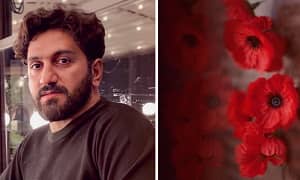
Khamenei has once again committed a heinous act by shedding the blood of the courageous detained protester, Reza Rasaei. This is yet another chapter in the extensive record of Khamenei’s tyranny and crimes.
The execution of this political prisoner in the early days of the clerical regime’s new president underscores that execution and repression are central to the regime’s survival. As long as Khamenei and the Velayat-e Faqih regime remain in power, these practices will persist.
With deepest sympathy to Reza’s family, friends, and fellow citizens, these atrocities will undoubtedly galvanize the heroic people, rebellious youth, and Resistance Units to intensify their efforts to uproot religious tyranny and establish democracy, popular sovereignty, and justice.
Khamenei has once again committed a heinous act by shedding the blood of the courageous detained protester, #RezaRasaei. This is yet another chapter in the extensive record of Khamenei's tyranny and crimes.
The execution of this political prisoner in the early days of the… pic.twitter.com/Lv4U5Oywls— Maryam Rajavi (@Maryam_Rajavi) August 6, 2024
Pakistani National with Ties to Iran Charged in Connection to A Foiled Assassination Plot Potentially Targeting Trump
 The Justice Department has charged a Pakistani man who has alleged ties to the Iranian government with seeking to carry out political assassinations, a case that prompted the US government to increase security for former President Donald Trump and other officials, according to court documents unsealed Tuesday. FBI investigators believe that Trump and other current and former US government officials were the intended targets of the plot, a US official briefed on the matter said. Asif Merchant, 46, is accused of traveling to New York City and working with a hit man to carry out the assassinations in late August or early September, according to charges filed by federal prosecutors in Brooklyn, New York.
Iran’s Regime Executes Political Prisoner Reza Rasaei

Iran’s regime executed political prisoner Reza Rasaei on the morning of August 6, 2024, in Dizelabad prison in Kermanshah. Rasai was arrested during the 2022 anti-regime uprising. The regime’s security forces tortured him in Kermanshah’s Dizelabad prison and forced to make incriminating confessions about killing a member of the Revolutionary Guards in November 2022.
Kermanshah’s Criminal Court Branch 2 sentenced Reza to death, blood money payment, a year’s imprisonment, and 74 lashes to avenge the killing of Nader Beirami, IRGC Intelligence chief in Sahne, during the uprising. In court, Reza stated he had been severely tortured to extract forced confessions.
Pezeshkian’s Cabinet Appointments Raise Concerns Over Corruption
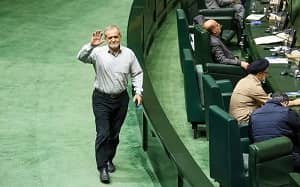
Following his inauguration, Masoud Pezeshkian introduced several members of his cabinet to the regime’s parliament. A closer look at the individuals he has chosen reveals a troubling pattern: many of them have been involved in corruption cases. This is particularly alarming given Pezeshkian’s promises to improve the country’s economy and the people’s livelihood. Shahram Dabiri Oskuei has been appointed as the Vice President for Parliamentary Affairs. Previously, Dabiri served as a professor at Tabriz University and was a member of the Tabriz City Council as well as the Supreme Council of Provinces. However, his past is marred by corruption allegations.
Iranian Students Bear the Brunt of Rising Costs

In Iran, the tuition fees for both government and non-government schools have reached alarming levels, prompting widespread complaints from parents. Many families struggle to afford these costs, forcing some children to drop out of school altogether. Recently, the tuition fees for non-profit schools for the academic year 1403 were announced, revealing increases driven by economic conditions and rising living expenses. Reports indicate that these fees range from 10 to 80 million tomans, with some non-profit institutions charging significantly more.
Even public schools are not exempt from this trend, demanding between 8 and 15 million tomans for student registration, particularly for preschoolers. According to Ahmed Mahmoudzadeh, Deputy Minister of Education, nearly 40% of non-profit school fees fall between 10 and 20 million tomans, while 34% charge between 20 and 30 million tomans. Additionally, 14% of schools have fees ranging from 30 to 40 million tomans, and about 6% charge between 40 and 50 million tomans. A smaller percentage of schools, approximately 5%, charge between 50 and 60 million tomans, with only 1% exceeding 70 million tomans.
Pursuing Justice for Iran’s 1988 Massacre: A Significant Step Forward

In 1988, Iran’s Supreme Leader Ruhollah Khomeini issued a decree for the mass execution of political prisoners, particularly targeting members of the People’s Mojahedin Organization of Iran (PMOI). He aimed to eradicate their ideals by eliminating them physically. Khomeini’s decree was clear: anyone loyal to the PMOI should be executed immediately. This act marked an attempted genocide against the Mojahedin, a policy continued by his successor, Ali Khamenei. The bodies were secretly buried in mass graves, and efforts were made to erase all traces of these victims from history.
Cologne, August 3, 2024: MEK Supporters Rally to Condemn Recent Executions in Iran and Show Support for MEK

Cologne, Germany—August 3, 2024: Freedom-loving Iranians and supporters of the People’s Mojahedin Organization of Iran (PMOI/MEK) held a rally to express solidarity with the Iranian Revolution. The Iranian community in Cologne protested against the increasing wave of executions carried out by the Iranian regime. Iranians responded to the mullahs’ judiciary regarding the sham trial of MEK members, and once again, they declared their decisive support for the PMOI.
Vancouver, Canada—August 3, 2024: MEK Supporters Rally to Condemn the Wave of Brutal Executions in Iran

Vancouver, Canada—August 3, 2024: Freedom-loving Iranians and supporters of the People’s Mojahedin Organization of Iran (PMOI/MEK) held a rally to express solidarity with the Iranian Revolution. The Iranian community in Vancouver protested against the increasing wave of executions carried out by the Iranian regime.