

THIS PAGE WILL BE UPDATED WITH THE LATEST NEWS
UPDATE: 04:00 PM CET
Fuel Hikes, Fear, and a Regime on the Brink

On the eve of the sixth anniversary of the November 2019 uprising in Iran, when a sudden hike in fuel prices ignited one of the bloodiest nationwide revolts in the history of the Islamic Republic, the clerical regime finds itself in a disturbingly familiar position. Today, President Masoud Pezeshkian’s government is once again signaling its intent to raise fuel prices. For Tehran’s corrupt theocracy, this is not a mere economic decision. It is a political gamble with dynamite. Every such move exposes a tottering dictatorship trapped between economic collapse on one side and the terror of public fury on the other.
Iran’s economic implosion is not an accident of circumstance. It is the direct consequence of decades of corruption, sanctions triggered by the regime’s own belligerence, and the catastrophic incompetence of its ruling elite. A once-wealthy nation sits on the world’s second-largest gas reserves and fourth-largest oil reserves, yet its people queue for hours to buy fuel, food, or medicine. While millions are pushed beneath the poverty line, the mullahs and their Revolutionary Guard cronies gorge themselves on a kleptocratic empire worth hundreds of billions. This is not mismanagement. It is organized looting.
UPDATE: 09:00 AM CET
PMOI Resistance Units in Zahedan Answer Execution and Fuel Price Hikes with Anti-Regime Activities
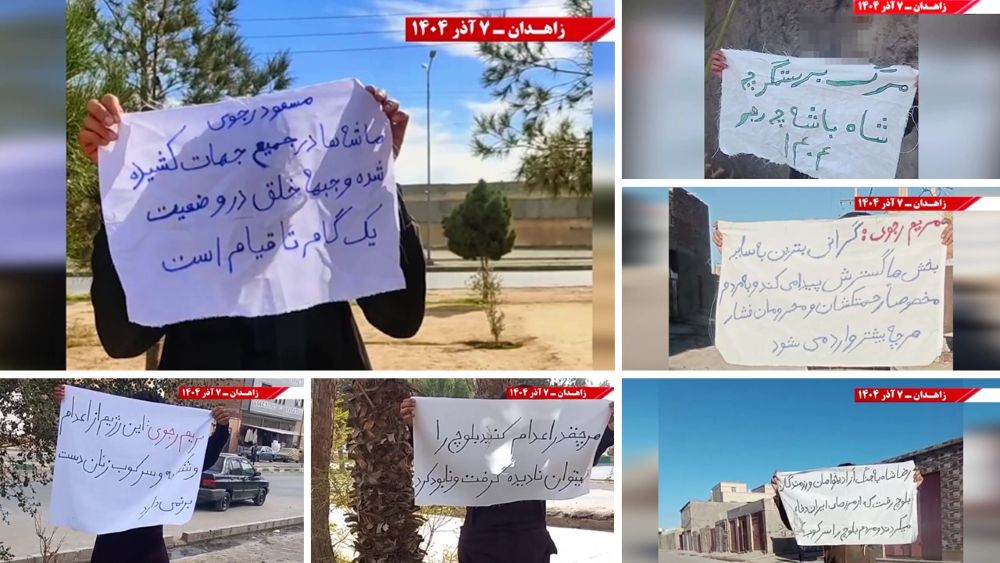
On November 28, members of the PMOI Resistance Units in Zahedan, southeast Iran, launched a new campaign of anti-regime activities. In the face of intensifying repression, these activists took to the streets to condemn the regime’s corrupt economic policies and the surging wave of executions. Their message was clear: the Iranian people reject all forms of dictatorship, whether clerical or monarchical, and are determined to establish a democratic republic. Images from the protests in Zahedan show Resistance Unit members holding handwritten placards emphasizing that Iranian society will not be cowed by the regime’s brutality. One sign starkly warned that the policy of “execution and intimidation” will be met with “fire and uprising.”
Zahra Tabari: Facing Execution Over “a Piece of Cloth and a Voice Note”
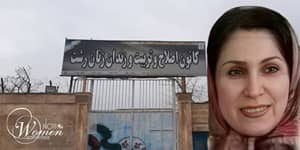
Zahra Tabari, a political prisoner held in Lakan Prison of Rasht, is facing the imminent threat of execution. In a call from the prison, she provides a detailed account of her arrest, interrogation, and trial. Rejecting all security-related charges, Zahra Tabari describes her death sentence as “devoid of any judicial legitimacy” and a clear case of “judicial murder.” Her testimony once again highlights the severe violations of due process and the systematic use of politicized charges by Iranian authorities to impose harsh sentences on political and civil activists. At the start of her account, Zahra Tabari says: “The only things they attributed to me were a piece of cloth and a voice note—nothing else. There is nothing more in my file. And according to Article 2 of the Islamic Penal Code, a crime must be defined by law for any punishment to be imposed.”
Iran’s Regime and Venezuela Are the Largest Users of Shadow-Fleet Oil Tankers
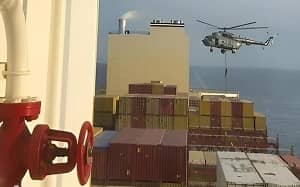
Lloyd’s List, a British publication specializing in shipping and maritime trade, reported that Iran’s regime and Venezuela are the largest users of shadow-fleet oil tankers. Both countries are under extensive international sanctions, including U.S. economic and oil sanctions. Lloyd’s List wrote in its report published on Friday, November 28, that the volume of Iranian and Venezuelan sanctioned crude stored on tankers has reached its highest level, while the number of vessels still unidentified and unsanctioned has decreased. According to the report, this situation has increased pressure on the shadow fleet, yet tanker movement between Iran, Venezuela, and Russia continues.
Inside Iran Regime’s Closed-Door Internet Control: Hypocrisy, Privilege, and Growing Public Outrage

Regime-run media accidentally expose the secretive power structure behind nationwide censorship and the discriminatory “white internet.” The regime’s own media has inadvertently revealed the depth of hypocrisy and secrecy behind Iran’s internet censorship machine. As public anger over the discriminatory “white internet” grows, insiders and state-run outlets have begun exposing internal conflicts, contradictory postures, and a desperate attempt by authorities to hide responsibility for a policy that has crippled the lives of millions. Reports from outlets such as KhabarOnline and Shargh reveal that decisions affecting the online freedoms of more than eighty million Iranians are concentrated in the unelected Supreme Council of Cyberspace, a body dominated by security, military, judiciary and propaganda figures loyal to the regime’s command structure.