
Three-minute read
Iran’s clerical regime faces mounting public anger as reports of new restrictions on subsidized bread purchases emerge amid soaring food prices. The controversy comes as security forces confront the aftermath of anti-regime protests in Abdanan, workers and housing applicants demonstrate over economic grievances, and the regime’s intelligence establishment remains embroiled in a protracted leadership and restructuring dispute.
Bread Restrictions Threaten Another Blow to Impoverished Households
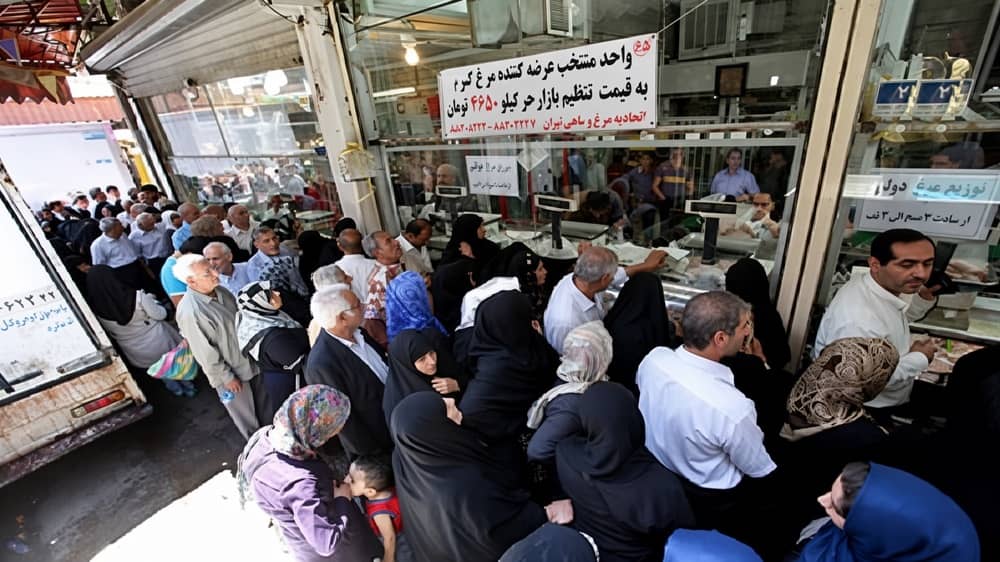
Iranian state newspapers reported that a new bread-purchasing system had been introduced without public notice in several provinces, raising fears that even subsidized bread could become substantially more expensive.
According to Shargh, approximately eight kilograms of subsidized flour per person per month form the reported benchmark, with purchases classified as excessive potentially charged at commercial rates of 12,650 tomans instead of 2,300 tomans per kilogram of flour—a more than fivefold difference.
Hamshahri identified Markazi, Khuzestan and Zanjan as provinces where the system had been activated. Kayhan reported confusion and verbal confrontations outside bakeries.
"A society can endure for years without accepting the conditions imposed on it—but when accumulated anger finally breaks through, the result may be sudden, nationwide and far harder to contain," @MansoreGolestan writes.https://t.co/BYM0Pzydhe
— NCRI-FAC (@iran_policy) November 15, 2026
Provincial officials denied imposing a universal household quota, claiming the system targets unusually large purchases. However, contradictory explanations and the absence of advance notice have heightened uncertainty over access to one of the poorest households’ remaining affordable staples.
Shargh noted that the eight-kilogram benchmark corresponds to just 266 grams daily, below the Health Ministry’s estimated average bread consumption of 333 grams per person. Annual inflation for bread and cereals has already exceeded 120%.
The controversy follows gasoline-card restrictions that produced lengthy queues and widespread complaints. Together, the measures expose the regime’s increasingly precarious attempts to manage shortages and subsidies without provoking further public anger.
Iran, Nov. 13: Fuel-card restrictions expand toward nationwide implementation. Cement workers report up to seven months of unpaid wages, bakeries face flour cuts, #women remain denied motorcycle licences, and Tehran officials acknowledge losing up to 45% of trees in a major…
— NCRI-FAC (@iran_policy) November 13, 2026
Arrests Follow Abdanan’s Anti-Regime Protests
Authorities moved against demonstrators following Tuesday’s protests in Abdanan, where the deaths of 13 oil-industry workers in a bus crash triggered a gathering that grew to approximately 1,000 participants, according to the IRGC-affiliated Fars news agency.
Protesters initially demanded officials’ resignations before chanting against the ruling establishment.
A local human rights organization reported that at least seven protesters had been detained, with five remaining in custody after two were released. Reports also described tear gas and pellet-gun fire against demonstrators, although a provincial lawmaker disputed accounts of arrests.
The crackdown follows official findings that unsafe driving, transport-contract irregularities and inadequate road infrastructure contributed to the crash. More than 10,000 people died in road accidents during the first six months of the Iranian year, adding another longstanding grievance to the pressures driving public discontent.
A bus accident that killed 13 oil workers sparked ~1,000 people in #Abdanan chanting “Death to the dictator.” Years of economic collapse and grievances mean any spark can set Iran off. #IranProtests
By Farid Mahoutchihttps://t.co/LATOjavBY4— NCRI-FAC (@iran_policy) November 18, 2026
Workers and Housing Applicants Protest
On Wednesday, housing applicants demonstrated in Zanjan over delayed delivery of promised apartments, rising construction costs and uncertainty surrounding government housing projects.
In Bandar Mahshahr, water and wastewater dredging workers protested unpaid wages, outstanding insurance contributions and the dismissal of colleagues.
The protests coincided with a parliamentary acknowledgment that years of delays in the National Housing Movement had transferred escalating construction costs onto applicants, many of whom can no longer afford the additional payments.
"The logic of Tehran’s political #economy: protect the institutions that defend the ruling order, preserve the regional and military projects the state considers strategic, and make households absorb a greater share of the cost of economic failure," writes @shahriarkia…
— NCRI-FAC (@iran_policy) November 16, 2026
Intelligence Ministry Enters Leadership Dispute
The regime’s Intelligence Ministry sent a formal letter to Parliament Speaker Mohammad Bagher Ghalibaf on November 18, offering to participate in drafting legislation to restructure the ministry.
The letter explicitly mentioned efforts to appoint a new intelligence minister, a position left vacant amid disagreements over the ministry’s leadership and authority.
Parliament is considering amendments affecting the ministry’s organization, including its intelligence-protection and ideological-political structures. The ministry’s intervention indicates that the dispute remains unresolved despite growing security concerns following wartime intelligence failures.
Significantly, the letter also vowed to deprive the regime’s domestic and foreign enemies of security, reinforcing the ministry’s continuing emphasis on confrontation and internal control.
Why Iran’s ruling establishment has turned nightly street mobilization into a permanent instrument of political survival. By @HakamianMahmoud https://t.co/u8owHP6TZv
— NCRI-FAC (@iran_policy) November 17, 2026
Healthcare Crisis Exposes Collapse of Insurance Protection
In Wednesday’s parliamentary session, MP Mohammad Jamalian disclosed that patients were paying nearly 70% of healthcare expenses, blaming failing insurance coverage and rising medical costs.
He said the removal of certain medicines from insurance coverage was forcing patients to bear additional expenses. Medical providers and pharmacies are also struggling with delayed payments from insurance institutions.
The disclosure follows repeated warnings about the surging cost of medicines, including diabetes-treatment expenses that have reportedly increased nearly sixfold within a year.
Iran, Nov. 17: Mourning for 13 oil workers killed in a bus crash turns into anti-regime #IranProtests in Abdanan. Officials admit 25% of roads are deteriorating, an IRGC commander acknowledges intelligence penetration, and the Central Bank reveals severe monetary expansion.…
— NCRI-FAC (@iran_policy) November 17, 2026
Pollution Shuts Schools as Officials Admit Years of Neglect
Air pollution forced schools and universities in seven Khuzestan counties to switch to remote learning on November 18, including Ahvaz, Abadan, Khorramshahr and Mahshahr.
In parliament, Jamalian cited Health Ministry figures attributing 35,540 deaths in 2024 to air pollution, with estimated economic losses of $13.4 billion.
Another lawmaker disclosed that just 28 of 228 provisions of Iran’s Clean Air Law had been implemented, underscoring the authorities’ longstanding failure to confront pollution at its sources.
Meanwhile, recent flooding in western Mazandaran damaged homes and destroyed a bridge in Hachirud, adding to the country’s recurring infrastructure problems.
Deepening cracks in Iran’s ruling elite: public factional clashes over #diplomacy, war strategy & economic policy intensify amid ~89% inflation, collapsing living standards, unrest fears and stalled talks with Washington. Authority is fragmenting. By @MehdiOghbai…
— NCRI-FAC (@iran_policy) November 18, 2026
The bread controversy underscores a fundamental dilemma for the regime: policies intended to manage economic shortages risk provoking the very unrest the authorities fear. For households already struggling to afford food, fuel and medicine, another restriction on basic necessities is not an isolated inconvenience but part of an accumulating crisis.
Abdanan demonstrates how quickly grievances can turn political—and how swiftly the regime responds with repression. Yet while security institutions struggle with their own leadership disputes, the economic and social failures generating these confrontations remain unaddressed. The authorities can restrict access to bread and suppress demonstrations, but neither measure resolves the deeper conditions feeding public anger.