

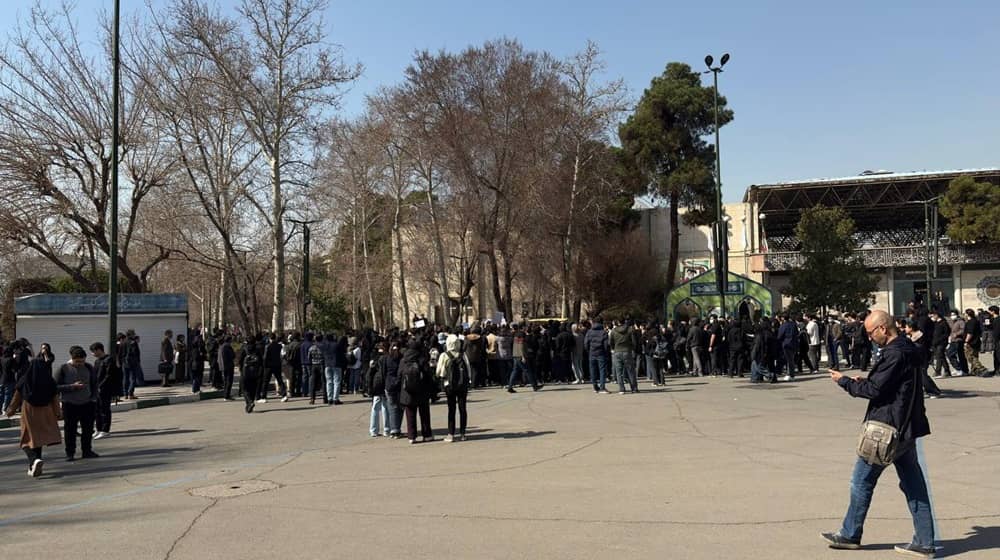
The Iranian plateau is currently a theater of unprecedented defiance as the national uprising enters a critical fifth day of organized student-led strikes. What began as localized outbursts of anger has evolved into a disciplined, nationwide assault on the ideological foundations of the clerical dictatorship. Across the capital and major provincial hubs, the “rebel youth” have transformed university campuses into liberated zones, effectively paralyzing the regime’s educational and administrative machinery.
From the gates of Tehran University to the industrial corridors of Isfahan University of Technology, the air is thick with the scent of rebellion. Students have moved beyond mere reformist pleas, adopting the strategic slogan: “No Shah, No Sheikh—Democracy and Equality.” This crystalline political demarcation rejects both the hereditary monarchy of the past and the current velayat-e faqih system, signaling a sophisticated political maturity within the resistance. In Isfahan, the chant “Khamenei the Zahhak, we will pull you under the earth” has become a rallying cry, echoing the historic downfall of tyrants.
The regime’s “machine of repression” has responded with desperate measures. In Shiraz, the streets surrounding Eram and the University of Shiraz have been choked with “Special Unit” vans and plainclothes agents in a futile attempt to prevent assemblies. Despite this, the strike remains potent. State officials are now forced to admit the scale of the paralysis; Fatemeh Mohajerani, spokesperson for the Pezeshkian administration, conceded on Monday that the “hot anger” of society is undeniable and that educational processes have been severely disrupted due to student absenteeism.
February 25—Tehran, Iran
Students at Tehran University (central campus) held protest rally, commemorating the martyrs of the January uprising and chanting anti-regime slogans:
"We did not sacrifice lives to compromise and praise the murderous supreme leader!"
"For every person… pic.twitter.com/lUaZBDLP9f— People's Mojahedin Organization of Iran (PMOI/MEK) (@Mojahedineng) February 25, 2026
The University as the Conscience of a Nation
The geography of the uprising has expanded to include Al-Zahra, Sharif, Amirkabir, National (Beheshti), Khajeh Nasir, and the Art and Architecture universities. Students at Al-Zahra University delivered a blistering rebuke to the regime’s attempts at reconciliation, chanting: “We did not give lives to compromise and praise the murderer Leader.”
This sentiment was reinforced at Tehran’s Pardis University, where the youth declared 2026 “the year of blood” for Ali Khamenei, vowing that the cycle of killings will only multiply the number of those standing against the dictatorship.
Domestic state-run media outlets, traditionally the mouthpieces of the mullahs, are now sounding the alarm over the regime’s crumbling authority. The daily Sharq confirmed that at least 180 students in Tehran alone have been summoned to disciplinary committees since February 23, with many being banned from campus via SMS. Etemad has reported even more harrowing figures, citing teachers’ union sources who claim that 220 students have been killed in recent months—a figure the Ministry of Education continues to pathologically deny.
The economic catastrophe fueling this fire has reached a breaking point. Data published by Towsee-e-Irani reveals that the “monthly subsistence basket” for a standard family has surged to 65 million tomans, representing a staggering 279% increase in living costs over the past year. With the working class pushed into absolute poverty, the alliance between the “rebel youth” and the labor sector has become the regime’s primary existential threat.
February 25—Mashhad, northeast Iran
Students at Ferdowsi University resumed protests for fifth day. Students chanted the "Ey Iran" anthem in defiance of the regime.#IranProtests pic.twitter.com/kuX0377gjG— People's Mojahedin Organization of Iran (PMOI/MEK) (@Mojahedineng) February 25, 2026
Blood of Martyrs Fuels the Engine of Revolution
The uprising is no longer confined to the daylight hours of campus protest. In Tehran, Nahavand, and Anbarabad, the 40th-day memorials (Chehelom) for the martyrs of the January 2026 uprising have become tactical launching pads for further resistance. In Tehran, the brother of the fallen Saeed Heydari addressed a crowd of mourners, stating, “I have inherited his courage; I swear by his pure blood that I will take revenge on every single person who shot the children of this land.”
In Anbarabad, thousands gathered to honor Marziyeh Kamali, a 21-year-old Baluch medical student who was executed in the streets of Kerman by security forces using birdshot. These ceremonies, characterized by defiant clapping and chants of “An Iranian dies but will not accept humiliation,” serve as a constant reminder to the clerical leadership that their tactics of fear have failed. Even the head of the Supreme Court, Mohammad-Jafar Montazeri, was forced to acknowledge the depth of the public’s hatred, cynically remarking that the regime “is well-accustomed to being cursed.”
The regime’s strategy of “virtualizing” classes to clear the campuses has backfired. At Kharazmi University, students warned that if classes are moved online, their “slogans will only become sharper.” The clerical dictatorship now finds itself trapped between a society that has lost its fear and an economy that can no longer sustain its repressive apparatus.

Flashback to the January Uprising
The current momentum is a direct escalation of the pivotal January 2026 battles, which broke the regime’s traditional containment barriers. The protests have stripped the mullahs of their last vestiges of legitimacy. The “rebel youth” of today are the direct successors of those who stood their ground in January, turning every funeral into a new front line. The transition from the January street battles to the current organized university strikes proves that the movement has entered a permanent, structural phase of revolution that no amount of disciplinary summons or security cordons can extinguish.