

Political prisoners and inmates across Iran have intensified their resistance against the clerical regime’s accelerating use of the death penalty. As of Tuesday, June 16, 2026, prisoners in 56 facilities across the country have launched a hunger strike as part of the 125th week of the “Tuesdays No to Executions” campaign.
The campaign issued a statement denouncing the sharp rise in judicial killings, noting that the clerical establishment has executed over 177 individuals since the beginning of 1405 (the current Iranian calendar year). The prisoners characterize this surge as a “desperate attempt to contain the explosion of popular anger” fueled by systemic oppression and economic hardship.
Targeting Political Prisoners
The report highlights the precarious situation of several political prisoners. The death sentences of Ali Fattah and Mohammad Naghizadeh have reportedly been upheld by the Supreme Court, and both have been transferred to solitary confinement in Ghezel Hesar Prison. Furthermore, 23-year-old Peyman Ganji, arrested during the protests of January 2026, has also been moved to Ghezel Hesar after receiving a death sentence from Branch 26 of the Tehran Revolutionary Court.
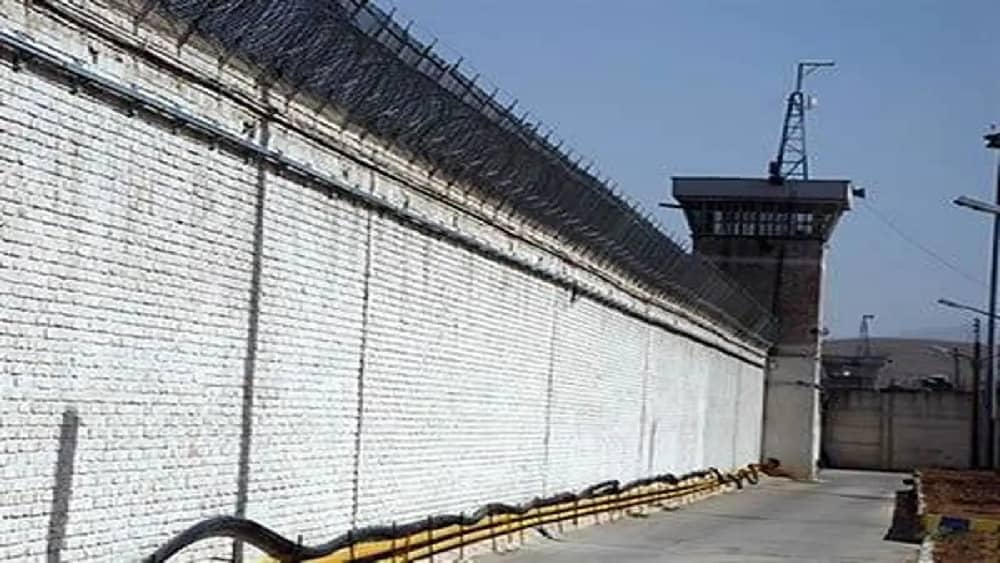
Campaign members identified Ghezel Hesar as a primary site for state executions, noting that “many death row inmates are held there, and once transferred, they face an imminent risk of execution.”
Today marks the 125th week of #NoDeathPenaltyTuesdays campaign. Prisoners in 56 prisons across Iran are on hunger strike, protesting the execution of more than 177 people since March 21 and urging global action to save political prisoners on death row. https://t.co/4Y7WQoCn0g
— IRAN HRM (@IranHrm) June 16, 2026
International Pressure
The surge in executions has drawn condemnation from international bodies. Amnesty International recently issued an appeal regarding the lives of five specific prisoners—Alireza Mardasi, Masoud Jamei, Reza Abdali, Farshad Etemadifar, and Hassan Mosallavi—urging authorities to halt their executions and those of all other prisoners on death row.
In their statement, the “Tuesdays No to Executions” campaign urged human rights advocates and civil society actors globally to take urgent action. The organizers emphasized the inseparable link between human rights and the state’s duty to preserve life, stating: “The realization of freedom, equality, and the preservation of human dignity is not possible without the realization of the right to human life.”
The campaign concluded with an appeal to all opponents of the death penalty to unite in their efforts to dismantle the current repressive structures.