

THIS PAGE WILL BE UPDATED WITH THE LATEST NEWS
UPDATE: 7:30 AM CEST
Internet Becomes More Expensive and Less Accessible in Iran as Digital Restrictions Deepen
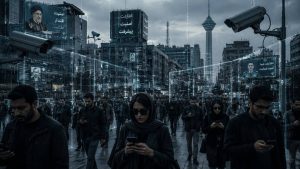
Internet access in Iran is becoming increasingly expensive, slower, and less reliable, adding another burden to households and businesses already struggling with the country’s economic crisis. While mobile operators have officially raised internet package prices by as much as threefold, users report that the real increase is even greater because of changes in how data usage is calculated, leaving many paying significantly more for access to the global internet.
At the same time, persistent network disruptions, extensive filtering, and declining service quality continue to damage Iran’s digital economy, affecting millions whose livelihoods now depend on stable internet access.
Beyond official tariff increases, users say mobile operators have quietly changed the method used to calculate data consumption.
Previously, internet packages were measured primarily based on international internet usage, while domestic traffic was billed at a discounted rate. Under the new system, however, package volumes are reportedly calculated according to domestic traffic, meaning that every one gigabyte of international internet use consumes approximately 2.7 gigabytes of a user’s data allowance. As a result, customers effectively receive only about 370 megabytes of international internet for every gigabyte advertised in their package.
Iran Slashes Oil Prices in Desperate Bid for Revenue Amid Deepening Economic Crisis
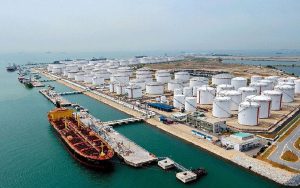
The Iranian regime has sharply reduced the official selling price of its crude oil for Asian buyers, a move that analysts view as a sign of mounting economic pressure and the regime’s increasing urgency to generate hard currency despite international sanctions and growing domestic instability.
The decision, announced by the state-controlled National Iranian Oil Company (NIOC) on July 22, represents one of the steepest monthly pricing adjustments in recent years and reflects Tehran’s willingness to sacrifice oil revenues to maintain exports. According to NIOC, Iran’s official selling price for its light crude destined for Asian markets in August has been set $4.35 per barrel below the Oman/Dubai benchmark.
The change marks a dramatic reversal from July, when the same grade of crude was priced $7.15 above the regional benchmark.
The shift represents a $11.50-per-barrel reduction in just one month, an unusually large adjustment that immediately attracted the attention of international energy analysts.
Heavy Iranian crude experienced an even steeper reduction, with pricing reportedly lowered by approximately $11.80 per barrel, further underscoring the scale of the discounting.
Iran’s Poverty Rate Could Reach Nearly Half the Population, Regime’s Own Report Warns
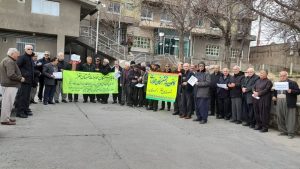
A new report by the Iranian regime’s Parliamentary Research Center has painted a bleak picture of the country’s economic future, warning that poverty is likely to expand significantly in the coming years if current trends continue.
According to the report, cited by state-run media, Iran’s poverty rate is projected to rise from 41 percent in 2026 to 45.5 percent by 2028. If realized, nearly one out of every two Iranians would be living below the poverty line—a dramatic indicator of the country’s deepening economic crisis.
The findings underscore that Iran’s worsening living standards are no longer reflected solely in economic statistics. They are increasingly evident in households struggling to afford food, housing, healthcare, and other basic necessities.
The Parliamentary Research Center emphasizes that the consequences of growing poverty extend far beyond declining household income.
Iran’s Prison Crackdown Reflects Regime’s Fear of Growing Resistance
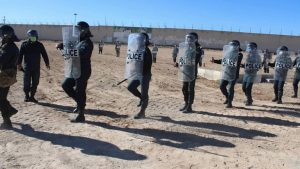
Recent developments inside Iran’s prisons point to a significant escalation in the regime’s campaign against political prisoners. Reports of violent raids, worsening living conditions, institutionalized corruption, and the denial of basic necessities suggest that authorities are relying on increasingly harsh methods to silence dissent behind bars.
Rather than isolated incidents, these developments reflect a broader strategy aimed at breaking the morale of political prisoners and preventing prisons from becoming centers of resistance during a period of growing political, economic, and social instability.
According to a statement released by the National Council of Resistance of Iran (NCRI) on July 31, security forces carried out a violent raid on Hall 5 of Ward 7 in Evin Prison on July 26.
During the operation, prison guards reportedly assaulted prisoners, confiscated personal belongings—including clothing, rings, and prayer beads—and subjected inmates to intimidation. The raid was allegedly conducted under the supervision of senior prison officials, highlighting what opposition sources describe as a coordinated effort rather than an isolated act of abuse.
Iraq: Iranian Regime Violated Commitments Regarding Strait of Hormuz

As tensions over maritime security in the Persian Gulf and the Red Sea continue, Iraqi officials said negotiations with the Iranian regime to ensure the safe passage of oil tankers through the Strait of Hormuz are still underway. However, Baghdad says Tehran has not fulfilled its previous commitments.
Bassem Mohammed Khudair, Iraq’s oil minister, told the Iraqi state-run news agency that Baghdad hopes to reach agreements with the Iranian regime in the coming days that will guarantee the security and smooth passage of oil tankers through the Strait of Hormuz.
According to him, the negotiations have continued alongside the recent visits of Iraqi Prime Minister Ali Falih al-Zaidi as part of political and economic consultations between the two sides.
The remarks came one day after Haider al-Aboudi, spokesperson for the Iraqi government, said Baghdad had previously received assurances from Iranian regime president Masoud Pezeshkian that Iraqi oil tankers would be exempt from the restrictions imposed in the Strait of Hormuz.
Iranian Forces Secretly Relocating Equipment from Police Stations and Courthouses Across Several Provinces
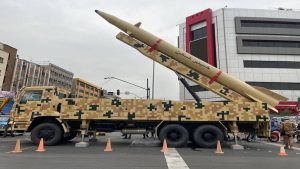
RAN NEWS WIRE — Informed sources inside Iran report the start of a secret evacuation process of several police stations, courthouse offices, and military bases in multiple provinces across the country. According to these sources, the move comes amid speculation over the potential for military strikes and escalating regional tensions.
According to exclusive information received by Iran News Wire, reports from the capital indicate that in recent days, the relocation and evacuation of a portion of equipment and personnel has begun in a number of police stations in Tehran. Relevant officials have attempted to carry out these movements out of the public eye and away from media coverage.
The scope of these measures has extended to the western and southern regions of the country as well. A senior Islamic Revolutionary Guard Corps (IRGC) official in Ilam Province noted in informal remarks that guidelines to accelerate the evacuation of headquarters and bases have been issued across all cities in the province, citing the heightened likelihood of military confrontation and airstrikes as the primary cause.
Oslo Rally Commemorates Victims of the 1988 Massacre, Calls for Justice and an End to Executions
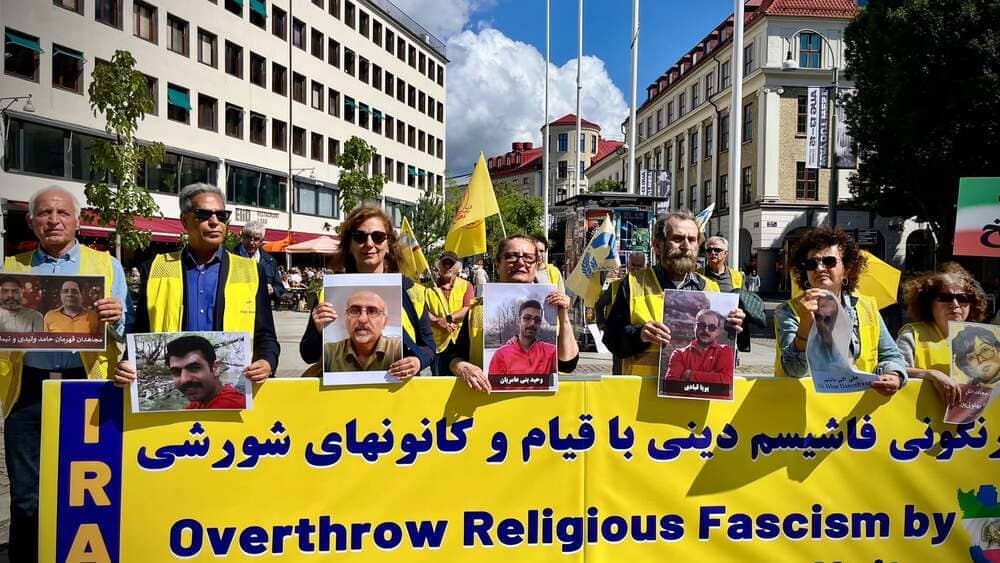
Oslo, Norway – August 2, 2026: Supporters of the Iranian Resistance gathered in front of the Norwegian Parliament in Oslo for a rally and photo exhibition marking the 38th anniversary of the 1988 massacre of more than 30,000 political prisoners in Iran. The event also paid tribute to recently executed members of the People’s Mojahedin Organization of Iran (PMOI/MEK) and to protesters who were arrested during the nationwide January 2026 uprising and later executed by the Iranian regime.

The photo exhibition was met with significant interest and support from Norwegian citizens. Visitors expressed solidarity with the Iranian people’s struggle against dictatorship, repression, and widespread human rights violations, as well as their aspiration for freedom and the establishment of a democratic republic in Iran.
Brussels Rally Commemorates Victims of the 1988 Massacre, Calls for Justice and an End to Executions
Brussels, August 2, 2026 – Supporters of the Iranian Resistance gathered in Brussels for a rally and photo exhibition marking the 38th anniversary of the 1988 massacre of more than 30,000 political prisoners in Iran. The event also paid tribute to recently executed members of the People’s Mojahedin Organization of Iran (PMOI/MEK) and to protesters arrested during the January 2026 nationwide uprising who were later executed by the Iranian regime.

The exhibition highlighted the Iranian regime’s continuing human rights violations while commemorating one of the darkest chapters in the country’s modern history. Participants remembered the 1988 massacre, during which more than 30,000 political prisoners—many of them PMOI supporters and members—were executed.
Iranian Communities Worldwide Rally for the 30th Free Iran Telethon Supporting Simay-e Azadi
August 3, 2026 – Iranian communities and supporters of the Iranian Resistance across the globe are mobilizing for the 30th Free Iran Telethon, which will be held from Friday, August 7, through Sunday, August 9, 2026, in support of Simay-e-Azadi (INTV), the first independent 24-hour Persian-language satellite television channel dedicated to freedom, democracy, and human rights in Iran.

For more than three decades, Simay-e Azadi has served as an independent voice for the Iranian people, providing uncensored news and information despite the Iranian regime’s relentless efforts to silence independent media. The television network receives no financial support from any government or foreign power and continues to operate solely through the generous contributions of its viewers and supporters.