

Three-minute read
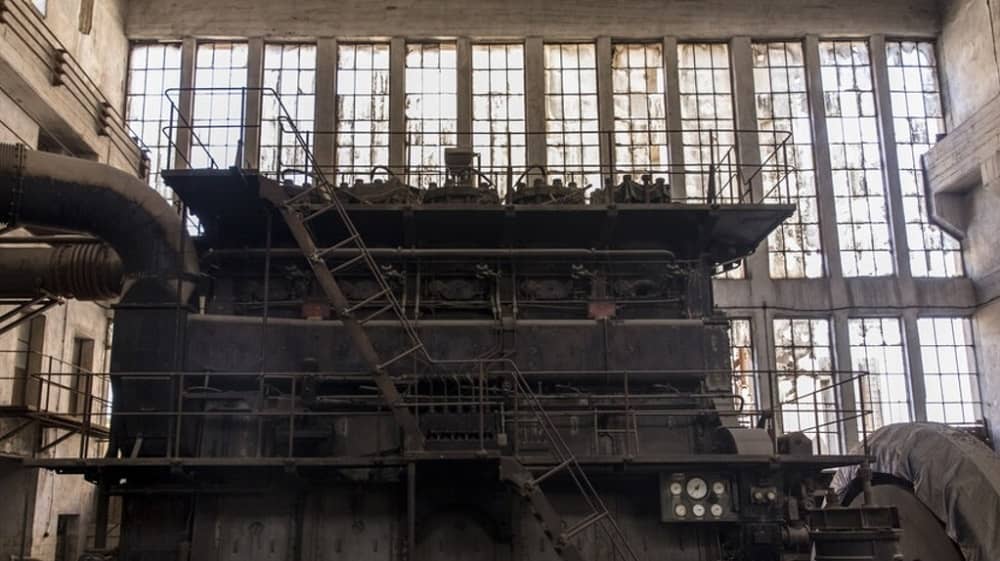
Iran’s economic structure is showing signs of deep and potentially irreversible collapse, as confirmed by state-aligned research bodies and high-ranking officials. According to the latest findings published by the Parliament’s Research Center, the country’s industrial output not only failed to grow in 1403 (March 2024–March 2025) but entered into a clear recession, revealing the scale of decline in productive sectors once deemed vital to national stability.
The industrial production index for the final quarter of 1403 contracted by 4.5 percent, while sales dropped by 2.2 percent, compared to the same period the previous year. In the last month of the Persian year (Esfand), year-over-year figures show a further decline in production by 0.8 percent and sales by 4.2 percent. These trends underscore a steady downturn, despite modest month-over-month upticks of 3.4 and 5.4 percent, respectively—insufficient to reverse the broader trajectory of collapse.
Parliament researchers cite four interconnected reasons behind the downturn: persistent foreign exchange volatility, widespread power outages impacting industrial zones, lack of liquidity and institutional credit, and an alarming drop in both domestic demand and exports. Pharmaceutical manufacturing, ceramics, electronics, and automotive parts were among the sectors suffering the most acute losses. Even where stock market values for these industries surged, the report warns this is not evidence of recovery but the reflection of inflation and capital flight into non-productive financial speculation.
#Iran’s Economic Collapse and Social Unrest Looming in 2025https://t.co/zN1eMj0Spm
— NCRI-FAC (@iran_policy) March 18, 2025
The pharmaceutical sector was dealt another blow in April 2025, when the government officially removed the preferential 42,000-rial exchange rate for importing medical supplies. Mehdi Pirsalehi, head of the Food and Drug Organization, announced that the annual $1 billion subsidy for essential medical goods would now be converted at the free-market rate of 285,000 rials to the dollar—a sevenfold increase. Pirsalehi expressed hope that the cost increase “would be controlled,” but admitted prices would inevitably rise, placing additional burden on already strained households.
Meanwhile, Iran’s once-promising tourism sector has all but disappeared. According to the state’s Export Development Center, only 2,700 foreign tourists visited the country in all of 1403—a figure that pales in comparison to neighboring Turkey, which welcomed over 51 million tourists in the same period. Mostafa Shafi’i Shakib, head of the Tour Operators Association, attributed the collapse to widespread arrests of foreign nationals, ongoing political instability, and severe infrastructural failures. “The tourism sector has turned into a shell of what it could be,” he said, calling the system opaque and suffocating for both operators and potential visitors.
The crisis extends to housing and urban development. The first weeks of 1404 (March 2025- March 2026) have seen a sharp rise in real estate prices across major cities. The surge is partly due to an energy crunch that has crippled cement and construction material factories, driving up building costs and making even basic housing inaccessible to much of the population.
#Iran’s Economic Instability: A Chronological Perspectivehttps://t.co/MTqcCUM9k6
— NCRI-FAC (@iran_policy) March 7, 2025
In a striking admission on the floor of parliament, MP Abolfazl Aboutorabi pointed to mismanagement of water resources as a case study in systemic failure. Referring specifically to Isfahan—one of Iran’s largest and historically most fertile provinces—Aboutorabi criticized officials for pumping limited water supplies into barren mountains to plant fruit trees that had never grown in those climates. “They destroyed a great city like Isfahan,” he said, noting that these agricultural projects not only failed but also depleted the Zayandeh Rood river and accelerated urban decline.
The broader picture painted by these reports is one of an economy not merely underperforming, but actively unraveling. With industries contracting, inflation distorting financial markets, and state policy failing to correct course, the burden is increasingly falling on ordinary citizens. While hospitals lose access to imported medical supplies and construction projects stall due to power shortages, regime officials continue to divert strategic resources to regional proxy forces and ballistic missile programs.
Though cloaked in technical language, the findings of the parliamentary research center leave little doubt: Iran’s economy is no longer in need of reform—it is in need of rescue. And with the clerical regime unwilling to alter its political priorities, many within Iran now see economic despair not as the side effect of poor governance, but as the deliberate outcome of a state strategy built on ideological rigidity and militarized spending.
If 1403 was a year of industrial contraction and shrinking public access to basic goods, 1404 has opened with signs that the regime’s economic isolation is deepening and its domestic legitimacy eroding alongside it. As one official phrased it off-record: “This isn’t mismanagement anymore. It’s managed decline.”