

Three-minute read
As the Iranian regime intensifies its military confrontations in the region, horrifying reports have emerged from inside the country’s prisons, painting a picture of inhumane conditions, deliberate neglect, and violations of international law. At the center of these reports are Kerman Central Prison and Dizel Abad Prison in Kermanshah, where prisoners face food shortages, medical neglect, and even military endangerment—an unfolding humanitarian catastrophe that reflects the regime’s repressive policies.
Bread Removed, Lives Endangered
Since June 19, 2025, conditions in Kerman Central Prison have reportedly deteriorated sharply. Families of prisoners and human rights sources confirm that bread—the primary staple of inmates’ daily meals—has been removed. “In recent days, bread has been removed as the prisoners’ main meal, and prison officials claim there is no bread available,” said a relative of a Baluch prisoner. This is not just administrative mismanagement; it is a blatant violation of the prisoners’ right to life and dignity. The physical and psychological toll on inmates, particularly those who are already ill, has been severe.
Food shortages, especially the elimination of basic sustenance, are being viewed not only as a result of institutional failure but also as part of a broader policy to punish prisoners, particularly political detainees. Malnutrition in prison has placed many, including the sick, at grave risk.
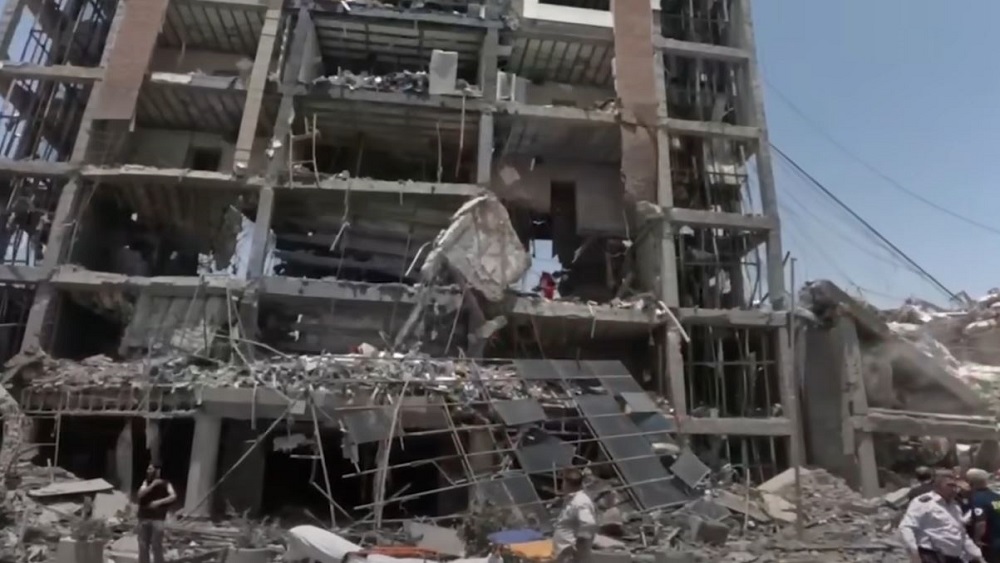
#Iran News: Tehran Hit by Airstrikes as #IranIsraelConflict Escalates; Evin Prison Damagedhttps://t.co/Slbi3axJNY
— NCRI-FAC (@iran_policy) June 23, 2025
Medical Neglect as State Policy
Worsening the crisis is the denial of medical care. In Kerman Central Prison, there are reports of no doctors or nurses on duty for days at a time. Medical equipment is scarce, and transfers to hospitals are either delayed or deliberately obstructed. This is not a new tactic.
Amnesty International has long reported that the Iranian regime uses medical deprivation as a means of torture, especially against political prisoners. The organization has documented at least 96 deaths in Iranian prisons since 2010 due to denial of medical care. These practices violate international laws, including Article 7 of the International Covenant on Civil and Political Rights (ICCPR) and Article 1 of the Convention Against Torture (CAT).
Turning Prisons into Human Shields
In a shocking escalation, the regime has reportedly transferred military equipment—such as mobile rocket launchers and missile systems—to the vicinity of prisons and hospitals, turning civilian facilities into military targets. According to sources, these installations have been placed in prison parking lots, blatantly violating international humanitarian law, including Article 3 Common to the Geneva Conventions, which prohibits the use of civilians as human shields.
This policy had catastrophic consequences at Dizel Abad Prison in Kermanshah. On June 16, 2025, following an Israeli strike near the prison, chaos erupted. Fearing for their lives, prisoners attempted to escape. Instead of ensuring their safety, prison guards responded with lethal force. At least nine inmates were killed, and several others were wounded by live ammunition, tear gas, and shotgun pellets. This massacre, occurring within a detention facility, may constitute a state crime under international law.
#Breaking reports from Iran indicate that the entrance gate of Iran's notorious Evin Prison has been targeted in the latest attacks by Israel. pic.twitter.com/jgFN6Ccxxk
— SIMAY AZADI TV (@en_simayazadi) June 23, 2025
Escalating Repression Under Cover of War
The Iran-Israel war has become a pretext for the regime to escalate domestic repression. While claiming to defend national sovereignty, the regime is endangering the very lives of its citizens—especially the most vulnerable. Civilians and prisoners are being used as shields to protect military assets. At the same time, basic needs such as food and healthcare are being weaponized against prisoners in a bid to crush dissent.
This is part of a larger pattern. The regime has long viewed prisoners of conscience—activists, journalists, students, and ethnic minorities—as enemies. Now, amid the fog of war, it is using the conflict as cover to intensify executions and suppress voices of resistance.
A Call to the International Community
The systematic use of civilians and detainees as human shields is a war crime. So too is the deliberate starvation and denial of medical care to prisoners. These actions reflect not only the regime’s brutality but also its desperation in the face of mounting internal pressure and public outrage.
#Breaking: Our sources confirm that the regime has fully evacuated Ward 209 of Evin Prison. Some inmates have been relocated to the prison yard.
Footage below shows the fire at Evin Prison pic.twitter.com/8ETSqu7RRz
— SIMAY AZADI TV (@en_simayazadi) June 23, 2025
Prisons in Iran have effectively become slaughterhouses. What is happening in Kerman and Kermanshah is not an isolated abuse, but part of a coherent strategy of fear and suppression. The international community must respond urgently. Governments, human rights organizations, and the United Nations should immediately investigate these crimes and hold the perpetrators accountable.
Political prisoners—many of whom have done nothing more than advocate for justice and freedom—are being sacrificed in a war they did not start. Their voices must not be silenced in the name of geopolitical conflict.
As Iran is drawn deeper into regional warfare, the regime’s greatest battle is not against foreign powers—but against its own people. And its most ruthless weapons are not missiles, but starvation, neglect, and silence.