

THIS PAGE WILL BE UPDATED WITH THE LATEST NEWS
UPDATE: 11:00 PM CEST
Widespread Strikes Hit Iran’s Energy, Military, and Urban Infrastructure as US Air Losses Mount and Regional Escalation Deepens
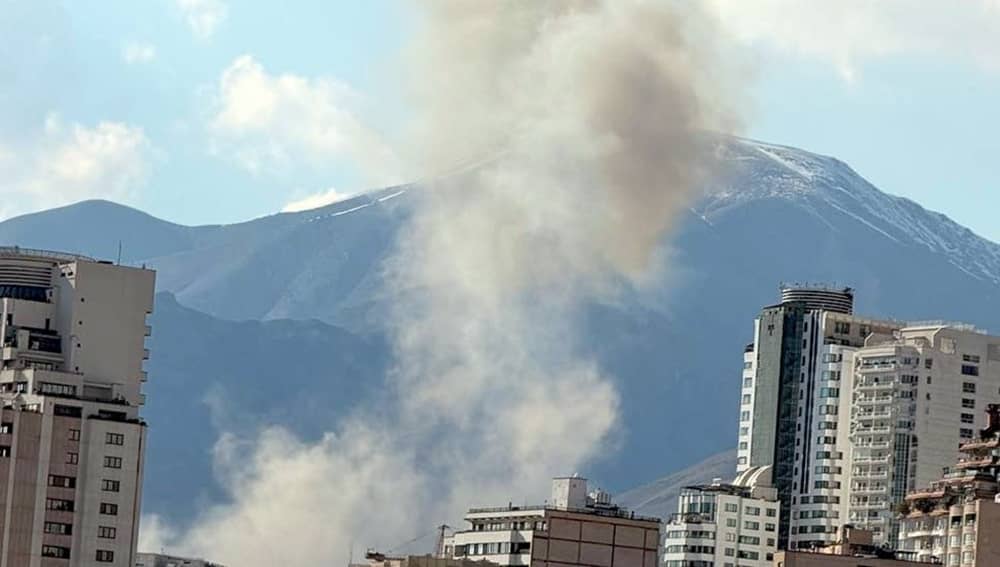
The past 24 hours of fighting in the Iran conflict were marked by extensive strikes on Iranian energy and industrial infrastructure, repeated impacts in Tehran, continued pressure on nuclear-adjacent facilities, and confirmed losses of U.S. aircraft over Iranian territory, alongside Iranian missile barrages on Israel and spillover attacks across the Gulf and Iraq. The day combined high-intensity battlefield developments with mounting economic disruption, internal information controls, and rising international concern over escalation around the Strait of Hormuz.
Regime Losses: Infrastructure, Sites, and Personnel
A sustained wave of strikes targeted critical Iranian economic and industrial assets, with the most significant damage reported in the Mahshahr petrochemical hub in Khuzestan province. Multiple major facilities—including Fajr 1 and 2 power plants and petrochemical complexes such as Amir Kabir, Rijal, Abu Ali, and others—were hit in a concentrated series of explosions beginning late morning. Reports described dozens of detonations, damage to key chemical units including nitric acid and chlorine systems, and the disabling of electrical infrastructure essential to plant operations. Authorities ordered full evacuation of industrial personnel, and activity across the zone—responsible for roughly 30 percent of Iran’s petrochemical output—was effectively halted.
BREAKING: The Atomic Energy Organization of Iran says an airstrike has hit near its Bushehr nuclear facility, killing a security guard and damaging a support building.
Follow AP's live updates. https://t.co/mNe2SvaaCD
— The Associated Press (@AP) April 4, 2026
Additional strikes affected Tehran and surrounding areas. Multiple impacts were reported across districts 1, 4, 9, and 18, including near Mehrabad Airport, the Resalat corridor, and northern mountainous zones such as Jamaran and Kolakchal, where open-source observers suggested a possible strike on a communications or monitoring installation embedded in tunnel systems. Explosions were also reported in Pardis industrial areas and near central urban arteries including 17 Shahrivar and Kolahdooz streets. At least five major blasts were recorded in the Mehrabad vicinity alone.
In southern Iran, Bushehr Airport sustained damage, including to a civilian Airbus A319 aircraft. Separately, a projectile strike near the perimeter of the Bushehr nuclear power plant caused damage to an auxiliary building and killed one member of the facility’s physical protection staff. While no radiation increase was detected, the incident marked the fourth reported strike affecting the site during the conflict.
Border infrastructure also came under attack. The Shalamcheh crossing with Iraq suffered significant damage, forcing a complete halt to passenger and commercial traffic; at least one Iraqi driver was killed and several Iranian nationals were wounded. A separate strike hit the Mehran crossing area. Meanwhile, petrochemical storage and power infrastructure in Khuzestan, as well as industrial sites near Tehran, were repeatedly targeted.
🗓️ Exactly five weeks ago on Saturday 28 February, #Iran cut off access to the global internet.
The measure remains in place, entering day 36 after 840 hours, isolating the general public as authorities explore ways to give chosen users access via a tiered whitelisting system. pic.twitter.com/ZUiFas6CI2
— NetBlocks (@netblocks) April 4, 2026
U.S. and Allied Losses
Two U.S. aircraft losses were confirmed or reported over Iranian territory. An F-15 fighter jet was shot down, with one crew member rescued and the second still missing as search operations continued into Saturday. Separately, an A-10 aircraft crashed near the Strait of Hormuz after the pilot ejected and was recovered. During rescue efforts, U.S. helicopters came under small-arms fire, with reports of injuries among crew members, though all aircraft landed safely.
In addition, a civilian airliner at Bushehr Airport was damaged in strikes, highlighting collateral impacts on non-military aviation assets.
🇺🇸 US President Donald Trump on Saturday said Iran had 48 hours left to make a deal on opening the vital Strait of Hormuz or face "Hell."
➡️ https://t.co/pUMXb3rhRO pic.twitter.com/8qP3eEmxPL— AFP News Agency (@AFP) April 4, 2026
Iranian Retaliation and Its Effects
The regime in Iran launched multiple waves of missile attacks against Israel, including the use of ballistic missiles and cluster munitions. More than a dozen locations in central Israel were reportedly struck. Damage included residential destruction, structural collapse in urban areas such as Ramat Gan, fires in the Negev industrial zone, and localized power outages in cities including Rosh HaAyin. Casualties were limited, with several civilians reported lightly injured.
One strike reportedly landed near a major Israeli military headquarters area in Tel Aviv, indicating attempts to target high-value sites, though no major operational disruption was confirmed.
Iran also claimed a large-scale coordinated operation involving long-range missiles and drones in conjunction with allied regional forces.
🔺Iran war latest: Race to save US officer after fighter jet shot down. Iranian officials have offered a reward for the capture of the weapons system officer from the downed F-15 aircraft
Click the link to follow live updates
— The Times and The Sunday Times (@thetimes) April 4, 2026
Regional Spillover: Gulf, Iraq, and Maritime Tensions
The conflict expanded further across the region. In the United Arab Emirates, missile and drone strikes caused significant damage at an industrial facility in Abu Dhabi’s Khalifa economic zone. In Iraq, a suspected drone attack triggered a fire at an oil storage site near Basra.
The Strait of Hormuz remained effectively closed under Iranian control, with continued reports of attacks on commercial shipping, mine deployment, and enforced restrictions on transit. The disruption has driven global energy concerns and prompted diplomatic efforts at the United Nations, where a proposed resolution to secure maritime traffic has been delayed amid opposition from major powers.
Simultaneously, cross-border economic infrastructure continued to be targeted, with coordinated strikes hitting areas near key logistical corridors linking Iran and Iraq.
Iranian and US forces searched for a missing US crew member from one of the two downed American warplanes as President Trump warned Tehran that time was running out for a deal to end the war https://t.co/xSqLhlmy6X pic.twitter.com/isNTSSemxX
— Reuters (@Reuters) April 4, 2026
Internal Situation Inside Iran
Inside Iran, the domestic environment remained tightly controlled. A near-total internet blackout extended into its sixth consecutive week, with access for ordinary users reportedly reduced to minimal levels while state-aligned channels remained operational. This prolonged digital suppression has significantly restricted independent information flow.
Politically, internal tensions surfaced as prominent figures calling for de-escalation faced public attacks from hardline factions. The backlash highlighted divisions within the political establishment amid the ongoing conflict.
There were no confirmed large-scale public protests reported during the period, though the communications blackout limits visibility into internal dissent.
UPDATE: 09:00 PM CEST
Secretary Rubio Revokes Green Cards of Foreign Nationals with Ties to Iranian Terror Regime

Last night, the niece and grand niece of deceased Islamic Revolutionary Guard Corps Major General Qasem Soleimani were arrested by federal agents following Secretary of State Marco Rubio’s termination of their lawful permanent resident (LPR) status.
Hamideh Soleimani Afshar and her daughter are now in the custody of U.S. Immigration and Customs Enforcement. As identified by both press reporting and her own social media commentary, Soleimani
While living in the United States, she promoted Iranian regime propaganda, celebrated attacks against American soldiers and military facilities in the Middle East, praised the new Iranian Supreme Leader, denounced America as the “Great Satan,” and voiced her unflinching support for the Islamic Revolutionary Guard Corps, a designated terror organization. Afshar Soleimani pushed this propaganda for Iran’s terrorist regime while
UPDATE: 07:30 AM CEST
March 2026 Report: How Iranian Women Are Shaping the Resistance
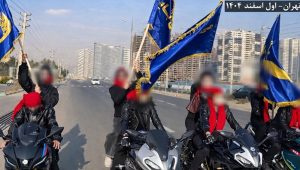
The struggle of Iranian women has long moved in step with the country’s broader fight for freedom. Over time, their role has expanded, helping to shape both the direction and resilience of this nationwide movement.
In February, following the January uprising and the deadly crackdown on protesters, that role entered a new phase. The activities of the Iranian Resistance and its Resistance Units reached a turning point, one in which women’s participation proved both visible and decisive.
At dawn on February 23, Resistance Units of the People’s Mojahedin Organization of Iran (PMOI/MEK) and the Liberation Army carried out a bold operation targeting the central headquarters of Ali Khamenei, the regime’s Supreme Leader.
Mass Executions to Compensate for Failure

The Mizan news agency, affiliated with the judiciary of the Islamic Republic of Iran, has reported the execution of four political prisoners accused of “belonging to the People’s Mojahedin Organization of Iran (MEK)” and of “participating in armed operations.”
This comes at a time when reports indicate a significant tightening of security measures in various Iranian cities, including internet shutdowns, the deployment of heavily armed forces in public spaces, the labeling of protesters as “foreign agents,” and the use of proxy forces affiliated with the Revolutionary Guard.
In this context, a police spokesperson announced that more than 129,000 personnel are active around the clock. In addition, 1,463 checkpoints have been established across the country, and nearly 15,000 patrol units are operating continuously. The scale of this security deployment suggests that the authorities’ primary concerns may extend beyond external threats.
As War Intensifies, Iran Escalates Executions to Suppress Dissent

As international attention remains fixed on escalating tensions between Iran, the United States, and Israel, a quieter but more consequential development is unfolding inside Iran: the state is accelerating executions.
This week, Iranian authorities executed two men accused of links to the Mujahedin-e Khalq (MEK), according to reporting by Reuters. Their deaths were not isolated incidents. They are part of a broader pattern of repression that intensifies precisely when the regime faces external pressure.
Now, additional cases are emerging that point to what may come next. Vahid Bani-Amerian, 34, and Abolhassan Montazer, 68, both reportedly affiliated with the MEK, have been identified by rights advocates as being at imminent risk of execution. Their cases underscore the urgency of the moment and the trajectory already underway.
This pattern is not accidental. It is structural.
Disappeared Political Prisoners and Death Sentences: Maryam Rajavi’s Exclusive Urgent Appeal to the UN

Speaking exclusively to Notizie.com is Maryam Rajavi, president of the National Council of Resistance of Iran (NCRI). Iran, under attack and facing bombardment by the United States and Israel, is therefore intensifying its internal repression in a brutal manner to crush any attempts at rebellion.
According to the NCRI, in recent days riot police at Ghezel Hesar prison stormed Block 4, where political prisoners are held, and transferred all twenty-two detainees to an unknown location. Subsequently, four other members of the People’s Mojahedin Organization of Iran (PMOI)—Mohammad Taghavi, Akbar Daneshvarkar, Babak Alipour, and Pouya Ghobadi—were executed.
There is no information about the remaining prisoners, including Vahid Bani-Amerian and Abolhassan Montazer, co-defendants of the four PMOI members already executed. Amnesty International stated: “Fears are growing for the fate of Vahid Bani Amerian and Abolhassan Montazer, who were sentenced in a grossly unfair trial marred by torture. The authorities have refused to provide any information about their fate or whereabouts.”
Manufacturing Reality: How State Media Disinformation Reflects Tehran’s Deepening Crisis
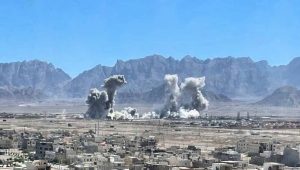
In times of crisis—particularly under war conditions—state-controlled media often become instruments not of information, but of narrative engineering. In Iran, this phenomenon has evolved into a systematic practice. Over recent years, the fabrication of news has moved from occasional distortion to a central pillar of state media strategy, intensifying alongside both regional tensions and domestic unrest. What emerges is not merely propaganda, but a coordinated effort to shape public perception in the face of mounting instability.
Nowhere is this more evident than in the regime’s reporting on military and security affairs. Official outlets frequently claim high-profile victories—such as the destruction of strategic targets in Israel or the downing of advanced fighter jets like F-35s or F/A-18s. These assertions are routinely published without verifiable evidence and are rarely corroborated by independent international sources. The repetition of such claims suggests a deliberate pattern: the construction of an image of strength where tangible proof is absent.
Disappearances, Executions, and Manufactured Justice: Iran’s Escalating War on Political Prisoners
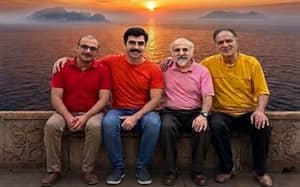
In the Iranian regime’s expanding machinery of repression, the prison system has become a frontline instrument for silencing dissent. Recent developments at Qezel Hesar Prison illustrate a deeply troubling pattern—one that combines secrecy, accelerated executions, and systemic violations of due process into a coordinated campaign against political prisoners.
On the evening of March 29, 2026, special anti-riot units reportedly stormed Ward 4 of Qezel Hesar Prison, forcibly transferring 22 political prisoners to undisclosed locations. The operation, carried out without explanation or subsequent transparency, immediately triggered alarm over the fate of those detained—particularly individuals already sentenced to death.
Those fears were not unfounded. Within 48 hours, on March 30 and 31, four political prisoners—Mohammad Taqavi, Akbar Daneshvar Kar, Babak Alipour, and Pouya Ghobadi—were executed. Their deaths, carried out in rapid succession, reinforced concerns that the transfers were not administrative but preparatory. Meanwhile, no information has emerged regarding the whereabouts of other detainees, including Vahid Bani Amerian and Abolhassan Montazer, both reportedly facing confirmed death sentences.
The Impact of Internet Shutdowns on the Daily Lives of People in Iran

Since the start of military conflict on February 28, 2026, Iranian society has faced a horrifying reality: a two-front war, one from the sky with missiles and the other from within through the deprivation of communication rights, both targeting daily life. The internet shutdown, imposed from the first hours of the attack, has now entered its second month and set an unprecedented record for the isolation of an entire nation. While people under bombardment search for shelter and physical safety, the complete blockage of online space has severed their economic and informational lifelines, pushing millions of households to the brink of livelihood collapse.
Horrifying Road Fatalities Rages in Iran Met with Regime Inaction
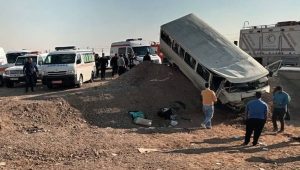
Road fatalities in Iran are no longer an accident; they are a structural trend. Statistics show the country ranks among the worst in the world. According to data from the Insurance Research Center, Iran ranks 188th out of 190 countries in road safety. This is the result of decades of rent-seeking policymaking and lack of accountability.
Approximately 800,000 accidents occur annually. Every day, 40 people are killed. That means one person dies every 36 minutes. Road fatalities are the second leading cause of death in the country after air pollution. These figures reflect a national catastrophe that has been normalized.
According to official reports, during a nine-month period (from March 21 to December 22, 2025), more than 15,513 people lost their lives in accidents. This figure shows an increase compared to the previous year. The annual average stands at about 19,800 deaths. Over 20 years, 396,000 people have died. This number exceeds the casualties of many wars.
Iran: Arrest of Nasrin Sotoudeh Signals Intensified Crackdown Amid War

The arrest of Nasrin Sotoudeh, a prominent human rights lawyer, on April 1, has once again intensified serious concerns about the state of human rights in Iran. Reports indicate that security forces affiliated with the ruling regime in Iran raided her residence at night, arrested her without presenting a judicial warrant, and transferred her to an undisclosed location; an act that, in the context of ongoing war conditions, carries implications beyond an individual detention.
According to available information, Nasrin Sotoudeh was arrested on April 2 by security forces, while no official statement has been issued regarding the charges against her, the judicial authority responsible, or her place of detention. Arrest without a judicial warrant and transfer to an undisclosed location constitute clear instances of arbitrary detention.
Threats of Execution Under the “Law for Strengthening Punishment”
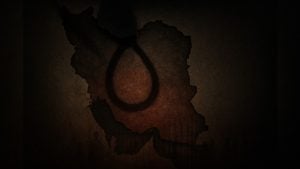
While global attention is fixed on transborder military tensions, the judicial apparatus of the Islamic Republic is accelerating at an unprecedented pace, transforming the “law” into a weapon for the mass killing of domestic dissidents. Recent statements by senior judicial officials, including Gholam-Hossein Mohseni-Eje’i and Asghar Jahangiri, represent an “official declaration of war“ against citizens who attempt to report information or express dissent amidst war and a global internet blackout in Iran. This report presents evidence of an organized operation aimed at the physical elimination of hundreds of protesters under the guise of vague charges such as “espionage” and “collaboration with hostile states”—a process that transcends judicial procedure and constitutes a clear instance of political genocide in the 21st century.
Crypto Transfers in Iran Surge During Internet Blackout: $700 Million Hidden Shift
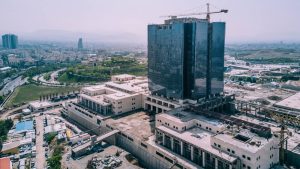
As Iran’s internet connectivity dropped to near zero, blockchain data reveals hundreds of millions in crypto moved—and a much larger, billion-dollar ecosystem operating beyond public visibility.
At the height of Iran’s nationwide internet blackout—when connectivity dropped to almost nothing—something else was accelerating beneath the surface: hundreds of millions of dollars in crypto transfers in Iran.
While ordinary users were cut off from the global web, blockchain data suggests that large-scale financial activity not only continued, but intensified—raising new questions about access, control, and transparency inside the country’s digital economy.
Paris Event Condemns Executions of PMOI Prisoners, Warns of Imminent Risk to Others

Paris, France – April 2, 2026 – A book stall and photo exhibition held in Paris strongly condemned the execution of four political prisoners affiliated with the People’s Mojahedin Organization of Iran (PMOI/MEK) by Iran’s ruling regime. Organized by MEK supporters, the event called for an immediate halt to executions in Iran and the unconditional release of all political prisoners. Organizers also issued an urgent warning about the imminent risk of execution facing other detainees, particularly political prisoners Vahid Bani Amerian and Abolhassan Montazer, who are at serious risk of being executed at any moment.