


THIS PAGE WILL BE UPDATED WITH THE LATEST NEWS
UPDATE: 09:00 PM CET
Iran Operating Secret ‘Black Box’ Sites Holding Thousands in Detention: Reports

Tens of thousands of Iranians are being held in “black box” detention sites with no judicial oversight, official records, and no way for families to confirm whether their loved ones are alive, according to reports.
The facilities — which the National Council of Resistance of Iran (NCRI) says are modeled on prison camps from the 1980s — have sparked alarm among human rights advocates amid unrest across the country.
“These sites were initially used in the 1980s in Iran and were residential compounds inside Ghezel Hesar Prison in Karaj, west of Tehran,” he added.
“Female prisoners affiliated with MEK (Mujahedin-e Khalq) were confined and subjected to torture,” he added, describing how women were “forced to live in coffin-like boxes or sit in squatting positions, deprived of sleep and food.”
UPDATE: 08:00 PM CET
Iran’s Resistance Units Mark 1979 Anniversary with a Clear Message: Neither Shah nor Mullahs

As the Iranian regime staged state-sanctioned events to mark the 47th anniversary of the 1979 anti-monarchical revolution, the true spirit of that historic movement was visible not in government rallies, but in the daring activities of the PMOI Resistance Units. On February 14 and 15, organized teams across the country carried out extensive anti-regime activities, reiterating a dual message: the rejection of the current clerical dictatorship and a firm refusal to return to the monarchical dictatorship of the past.
The activities, which spanned major metropolitan areas including Tehran, Mashhad, Shiraz, Isfahan, and Tabriz, come in the wake of the bloody January 2026 uprising. This recent wave of protests has signaled that the countdown to the regime’s overthrow has begun. While the mullahs attempt to co-opt the legacy of the 1979 revolution, the Resistance Units emphasized that the revolution’s original goals—freedom and independence—are alive only in the rebellious youth who are shaking the foundations of the theocracy today.
Social Security Retirees Voice Solidarity with Victims’ Families

Social Security Retirees held a protest on Sunday, February 14, outside the local Social Security office in Kermanshah, western Iran. Demonstrators chanted, “Our tables are empty of bread, stained instead with our blood,” a stark slogan reflecting deepening economic hardship and anger over deteriorating living standards. Speaking at the gathering, one retiree delivered a sharply worded statement: “The bullets that should have been aimed at embezzlers, thieves, and the corrupt were instead fired into the chests of our children, children who took to the streets to demand a future for themselves. This is the voice of a generation that has nothing left to lose.”
Iran: Examination of Elements of a Widespread Attack on Civilians During January 2026 Uprising

The attack on civilians during the January 2026 in Tehran represented the implementation of decisions taken at the highest levels of the ruling power structure. As the political, security, and judicial center of the country, Tehran hosts the highest decision-making and command authorities. What unfolded in the capital’s streets reflected a policy that began in command rooms and extended into the streets, detention facilities, hospitals, and courtrooms. The January uprising emerged as a continuation of nationwide protests against the suppression of fundamental freedoms, widespread poverty, systemic corruption, and acute livelihood crises. It rapidly evolved into a nationwide challenge to the ruling authorities.
US–Iran Talks: Breakthrough or Breaking Point?
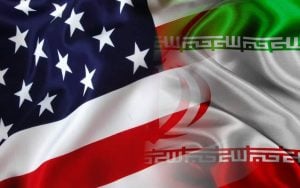
The February 17 Geneva talks could stabilize a fragile balance—or mark the beginning of a far more dangerous phase. The second round of negotiations between the United States and Iran is set to take place on February 17, 2026, in Geneva—a diplomatic effort that, on the surface, focuses on Iran’s nuclear program. Behind the scenes, however, the talks sit at the intersection of shifting regional security dynamics, domestic political pressures, and global strategic competition. The core question is stark: Will this round produce a stabilizing agreement, or will its failure open the door to further escalation and even direct confrontation?
Malmö — MEK Supporters Rally in Support of Iran Uprising, Call for an End to Executions

Malmö, Sweden – February 14, 2026 — Supporters of the People’s Mojahedin Organization of Iran (PMOI/MEK) held a rally and photo exhibition in solidarity with Iran’s nationwide uprising and its courageous protesters. Participants displayed banners reading “No to Executions” and voiced support for the growing campaign to abolish the death penalty in Iran.
Iran’s Regime Continues to Cover Up Information About Unidentified Bodies of Women Killed in Protests

According to published reports, the bodies of 50 women killed in Iran’s January uprising remain unidentified at the Kahrizak Forensic Medicine Center, located south of Tehran. This issue has been raised while the regime’s Forensic Medicine Organization and judiciary have officially denied the existence of “50 unidentified bodies of female protesters from Tehran.” In its statement, the Forensic Medicine Organization claimed that only seven unidentified bodies are held at the center, all of them male, and that all deceased women have been identified and handed over to their families. The statement described the report about 50 unidentified bodies as “completely unreal and an absolute lie,” and also denied that any visit to the facility had taken place by the Sociology Association of Tarbiat Modares University, a major public university in Tehran.
Berlin Conference on Iran: A Democratic Alternative and the Battle Over the Narrative

Former German and U.S. officials outline a vision for change in Iran, endorsing a democratic platform while warning against misinformation, dynastic succession, and Western complacency. At the “Iran Conference: Prospects for Change” in Berlin, senior former officials from Europe and the United States addressed the future of Iran and the viability of an organized democratic alternative. Among the keynote speakers was Franz Josef Jung, who argued that Iran’s opposition movement represents a credible and structured alternative to the current clerical establishment. He emphasized that many Iranians seek an end to authoritarian rule and demand political freedoms, rule of law, and equality before the law.