

THIS PAGE WILL BE UPDATED WITH THE LATEST NEWS
UPDATE: 01:30 PM CET
New Zealand Imposes Travels Bans on Iranian Ministers
New Zealand is applying further sanctions on Iran, placing travel bans on members of the Iranian regime involved in the violent suppression of protests, Foreign Minister Winston Peters has announced. “It has been horrifying to witness the brutal killing of thousands of protestors in Iran,” Mr. Peters says.
“Iranians have the right to peaceful protest, freedom of expression, and access to information. Those rights have been ruthlessly violated.”
The travel bans will target 40 individuals who have perpetrated human rights abuses in Iran, including Minister of the Interior Eskandar Momeni, Minister of Intelligence Esmail Khatib, and Prosecutor-General Mohammad Movahedi-Azad. It will also include members of the Islamic Revolutionary Guard Corps (IRGC).
UPDATE: 08:00 AM CET
New Phase of Judicial Repression in Iran – Part 3
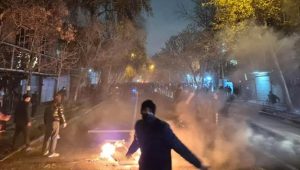
The two preceding reports in this series documented, first, the judicial phase of repression and, second, the pre-judicial mechanisms underpinning it; from unofficial detention facilities to coerced confessions and prison conditions. What emerged was not a series of isolated incidents, but a continuous pattern of violence, detention, psychological pressure, and accelerated prosecutions that began in the streets and extended into the courtroom. The present report, relying on the same documented data, raises the question at the level of international law: does the pattern of repression following the January 2026 uprising display characteristics that warrant examination within the framework of crimes against humanity? The January 2026 uprising spread to 220 cities across Iran within the first days of the protests. The security response was similarly nationwide and coordinated.
Iranians in Rome Honor Iran’s Uprising Martyrs, Demand a Democratic Republic

Rome, Italy — February 21, 2025: Freedom-loving Iranians and supporters of the People’s Mojahedin Organization of Iran (PMOI/MEK) gathered in Rome to commemorate the martyrs of Iran’s nationwide uprising and express strong solidarity with protesters demanding freedom and democracy. The event, held on the 40th day after the killings of protesters, aimed to honor the fallen and demand justice.
Iranian Resistance Supporters in Gothenburg Honor Iran’s Uprising Martyrs

Gothenburg, Sweden — February 21, 2026 — Supporters of the People’s Mojahedin Organization of Iran (PMOI/MEK) held a rally to commemorate the martyrs of Iran’s nationwide uprising and express strong solidarity with protesters demanding freedom and democracy. The event, held on the 40th day after the killings of protesters, aimed to honor the fallen and call for justice.
Victory Of Public Unity in Abdanan; Release of Detained Teacher After Widespread Protests
This year in Abdanan, a city in Ilam province in western Iran, before the school bells rang, the “first lesson” was taught—not from repetitive textbook pages, but from the streets, backed by unity, honor, strength, and collective perseverance. On Saturday, February 21, one of Abdanan’s well-known teachers was arrested without a judicial warrant and transferred to an undisclosed location. The news spread through the city like a spark and quickly turned into a wave of reaction. At first, citizens peacefully gathered in front of the regime’s governmental and security institutions, demanding his release, but security agents of Iran’s regime detained him. The atmosphere in the city was tense but not fragmented; people were united and determined, and they did not back down in the face of promises and threats from the Islamic Revolutionary Guard Corps (IRGC).
IRGC Intelligence Chief Signals Return to 1980s-Style Repression After January Uprising

February 19 remarks outline a seven-phase strategy to criminalize protest, tighten internet control, and prepare security forces for intensified confrontation. The February 19 statements by Majid Khademi, head of the Intelligence Organization of the Islamic Revolutionary Guard Corps (IRGC), should not be dismissed as a routine performance report. His remarks amount to an open admission of the regime’s roadmap for confronting future uprisings similar to those that erupted in January 2026. By presenting what he described as a “seven-phase plan,” Khademi sought to attribute any form of domestic protest to foreign “think tanks” and hostile powers. He claimed that the “enemy” aims to spark unrest and transform it into strikes—describing strikes as an “invisible weapon.” In doing so, he effectively criminalized not only political dissent but also basic labor action and civil protest, framing them as components of an external security project.