

Two-minute read
The Iranian clerical regime faces an unprecedented compound crisis as key macroeconomic indicators plunge to historic lows. According to the state-aligned website Tejarat News, Iran’s national misery index reached 90% in the spring of 2026 and climbed to 96% by July, with the number of provinces experiencing a triple-digit misery index surging from 13 to 19 over that period. With point-to-point inflation climbing to 88.6% and unemployment reaching 9.1%, the regime’s economic foundations are collapsing under severe structural pressures.
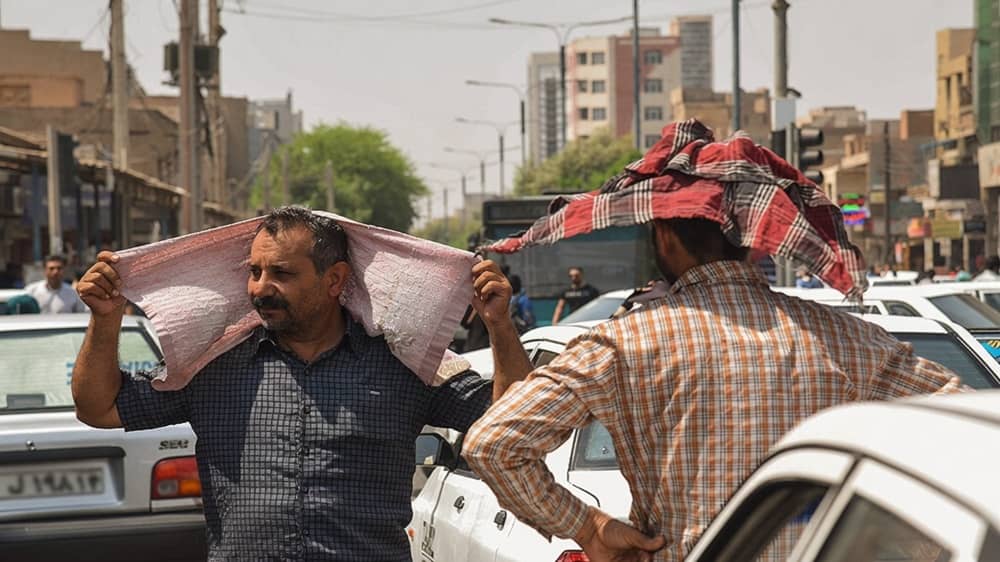
The daily burden on ordinary citizens has intensified, particularly regarding essential food supplies and public utilities. In a seperate account, Tejarat News reported that point-to-point food inflation hit 128.1% in July 2026, with basic staples such as oils and fats skyrocketing by 261.5%, while meat and dairy jumped over 145%. Furthermore, Khabar Online reported on August 5, 2026, that utility bills for average households surged by up to 300% or more between June and July 2026.
State media outlets themselves are issuing warnings regarding the regime’s aggressive fiscal tactics amidst widespread poverty. On August 5, 2026, Khabar Online warned that squeezing struggling citizens during economic warfare and sanctions is an act of “sitting on a branch and cutting it from the root”. The outlet cautioned that continuing these practices will erode remaining social capital and fuel widespread public unrest.
Iran is now a fixture of strategic planning from foreign ministries to kitchen tables. Official narratives project unbroken strength. The numbers on the ground run the other way: a minimum wage worth $87, state-linked #crypto farms drawing free power while ministries shut to…
— NCRI-FAC (@iran_policy) August 3, 2026
Industrial Collapse and Ecological Bankruptcy
The economic crisis extends into key industrial sectors, heavily exacerbated by regional conflict and military strikes. Recent figures indicate steep drops in vehicle manufacturing: Pars Khodro’s production fell by 62%, Saipa by 42%, and Iran Khodro logged a net loss exceeding 19 trillion tomans in spring 2026. Concurrently, mass builders association head Iraj Rahbar told state media that construction material prices rose up to 100% following US and Israeli strikes on Iranian infrastructure.
The banking sector and state-owned enterprises are similarly exhibiting institutional paralysis. The IRGC-affiliated Fars News Agency disclosed that the state-owned Industry and Mine Bank froze the accounts of the National Iranian Oil Company (NIOC) over unpaid debts, even as officials proposed a €55 billion debt rollover for 2026. With state banks accumulating over 300 trillion tomans in non-performing loans, financial gridlock is paralyzing state institutions.
Compounding this structural degradation is an unprecedented environmental emergency. Official state news agency IRNA had reported on July 11, 2026, that South Khorasan Province has officially entered “water bankruptcy” after 26 years of continuous drought. Academic researcher Hossein Khozeymeh-Nezhad highlighted the difference from a standard crisis, noting that “in bankruptcy, complete recovery of resources is impossible,” leaving over 400 villages dependent on water tankers.
"While the military and economic stalemate over #Hormuz continues to bleed the global economy, the only path that has ever truly threatened the brutal theocracy is an internal, society-driven unraveling," writes @MasumehBolurchi.https://t.co/g7804cnDe7
— NCRI-FAC (@iran_policy) April 27, 2026
Escalating Repression and Irreversible Public Rage
In response to worsening domestic stability, the clerical regime has unleashed a violent wave of internal coercion and political repression. Security forces continue to carry out arbitrary arrests across the country, detaining charity members, online commentators, and dissidents under broad charges like “spreading propaganda against the system”. Local courts are handing down harsh sentences, including prison terms and public floggings, to individuals linked to anti-government protests.
The regime has increasingly weaponized the death penalty to instill fear, resulting in an unprecedented wave of executions targeting political dissidents and protesters. On August 5, 2026, UN High Commissioner for Human Rights Volker Türk and Special Rapporteur Mai Sato issued separate statements demanding an immediate halt to escalating state executions and systematic rights abuses.
However, state coercion and escalating death sentences are failing to crush popular defiance. In a message smuggled from Yazd Central Prison on August 5, 2026, political prisoner Parisa Kamali reflected the public mood: “The fascist regime of the mullahs tries to create fear for its survival through continuous executions and massacres, but it is gravely mistaken. We have passed the border of fear and are filled with rage”.
As economic insolvency, environmental depletion, and human rights atrocities converge, the clerical regime faces an irreversible crisis—having sown decades of terror and systemic decay, it is now bound to reap a relentless tide of popular revolt.