

Three-minute read
Following the activation of the UN snapback mechanism and the return of international sanctions against Iran, the regime has entered a heightened state of alert, revealing both fear of external pressure and concern over potential internal unrest. The response reflects deep anxiety about the economic and social fallout of renewed sanctions.
Political Reactions: Unity Calls Amid Growing Tensions
Senior members of the regime’s parliament have publicly debated how to respond to the snapback sanctions. Abbas Goudarzi, a member of the regime’s parliament, criticized what he called excessive political focus on the sanctions, warning that such discussions “play into the hands of the enemy” and heighten public anxiety. He urged all political actors to rally behind a “sacred unity,” saying, “Today, the duty of all political activists is unity, empathy, and cooperation… the people know who caused these problems with their wrong decisions.”
Hossein Abdoli, another MP, emphasized national cohesion, warning against infiltration by what he described as the enemy’s “fifth column.” He added, “The enemy is seeking to impose its will on Iran. We must carefully monitor the situation and the betrayals of infiltrators, especially in light of the snapback mechanism, which aims to create economic and social instability.”
#Iranian Regime’s Leaders Talk Unity as Markets Panic, Streets Stirhttps://t.co/C9oQMGUdh4
— NCRI-FAC (@iran_policy) October 2, 2025
Within the Security Commission of the parliament, discussions turned more confrontational. Ebrahim Rezaee highlighted the need for decisive measures, stating, “Temporary suspension from the NPT is not sufficiently deterrent; we need a firmer decision. Staying in the NPT is no longer in our interest.” Similarly, MP Vahid Ahmadi said, “The enemies are trying to topple the state using the snapback mechanism. Negotiations with Western powers have never yielded results, and the state has multiple options to counter Security Council decisions.”
Even prominent figures like Hossein-Ali Haji Deligani, vice-chairman of the parliamentary Article 90 Commission, called for drastic steps: “The most important immediate action in response to the finalization of the snapback is to abandon the NPT.” These statements underline the internal debates over whether to maintain international commitments or pursue more confrontational policies.
Security and Military Mobilization
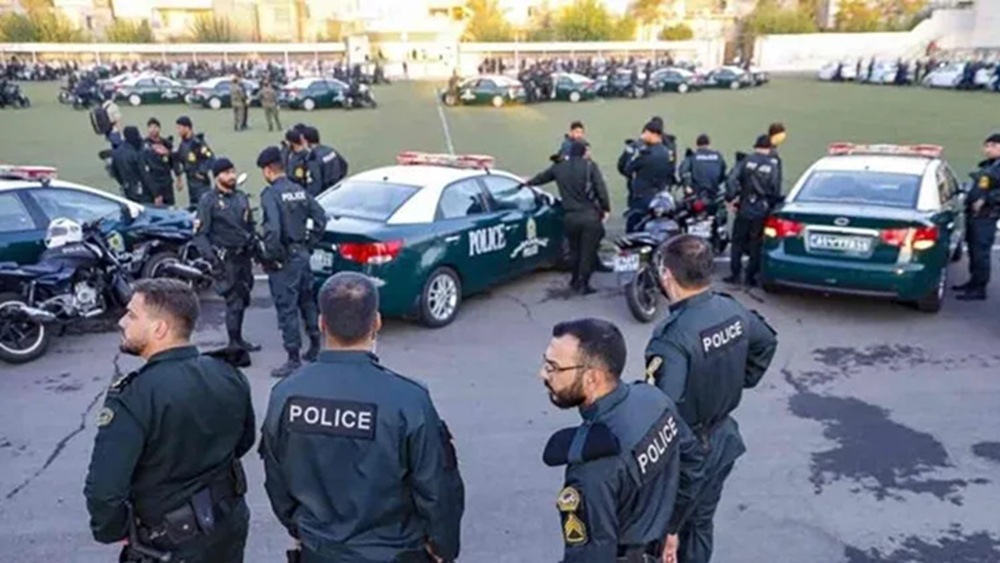
Parallel to political disputes, Iran regime’s military, paramilitary, and law enforcement forces have been placed on unprecedented alert. Since September 27, the army, Revolutionary Guards (IRGC), Basij, and police have elevated readiness levels, particularly in urban centers. Army units are reportedly on full alert, while the IRGC and Basij, at 70 percent readiness, have suspended routine exercises for urban suppression drills. Law enforcement operates at a 50 percent alert level.
Why a Cornered Regime Keeps Warning of #Iran's Organized Resistancehttps://t.co/y0LaStIQ99
— NCRI-FAC (@iran_policy) October 1, 2025
Following the 12-day-war, more than 33,000 security personnel, including 19,000 from the IRGC and Basij and 14,000 law enforcement officers, were deployed for crowd control, surveillance, and rapid response in Tehran. A report in late August noted that the Supreme National Security Council has issued directives detailing four main areas of response:
- Security Measures: Strengthened protection in protest-prone areas, expanded intelligence coordination, and safeguarding critical infrastructure, including fuel and nuclear facilities.
- Social Control: Propaganda highlighting regime “economic achievements,” staged appearances of officials, and suppression of media content that is critical of the regime.
- Military Preparedness: Increased naval and drone patrols, equipment repositioning, missile capability demonstrations, border control, and warnings to European nations.
- Political Signaling: Cyber operations, disruption of energy transit, coordination with regional proxy groups, and stronger ties with authoritarian states.
#Iran’s Clerical Regime in Crisis Management Mode After @UN Snapback https://t.co/GjcZ1abc9p
— NCRI-FAC (@iran_policy) September 29, 2025
Implications for the Regime
Framed as defensive, the moves betray deep anxiety at the top. Appeals for “unity,” visible security deployments, and fuel for factional bickering signal a state struggling to reassert control amid currency shocks, inflation, and broad social dissatisfaction.
The snapback response is less balance than bluster. Calls for cohesion, threats of treaty brinkmanship, and large-scale mobilization are meant to deter unrest and impress abroad, but their scope—and the stridency of the rhetoric—expose vulnerability rather than strength.